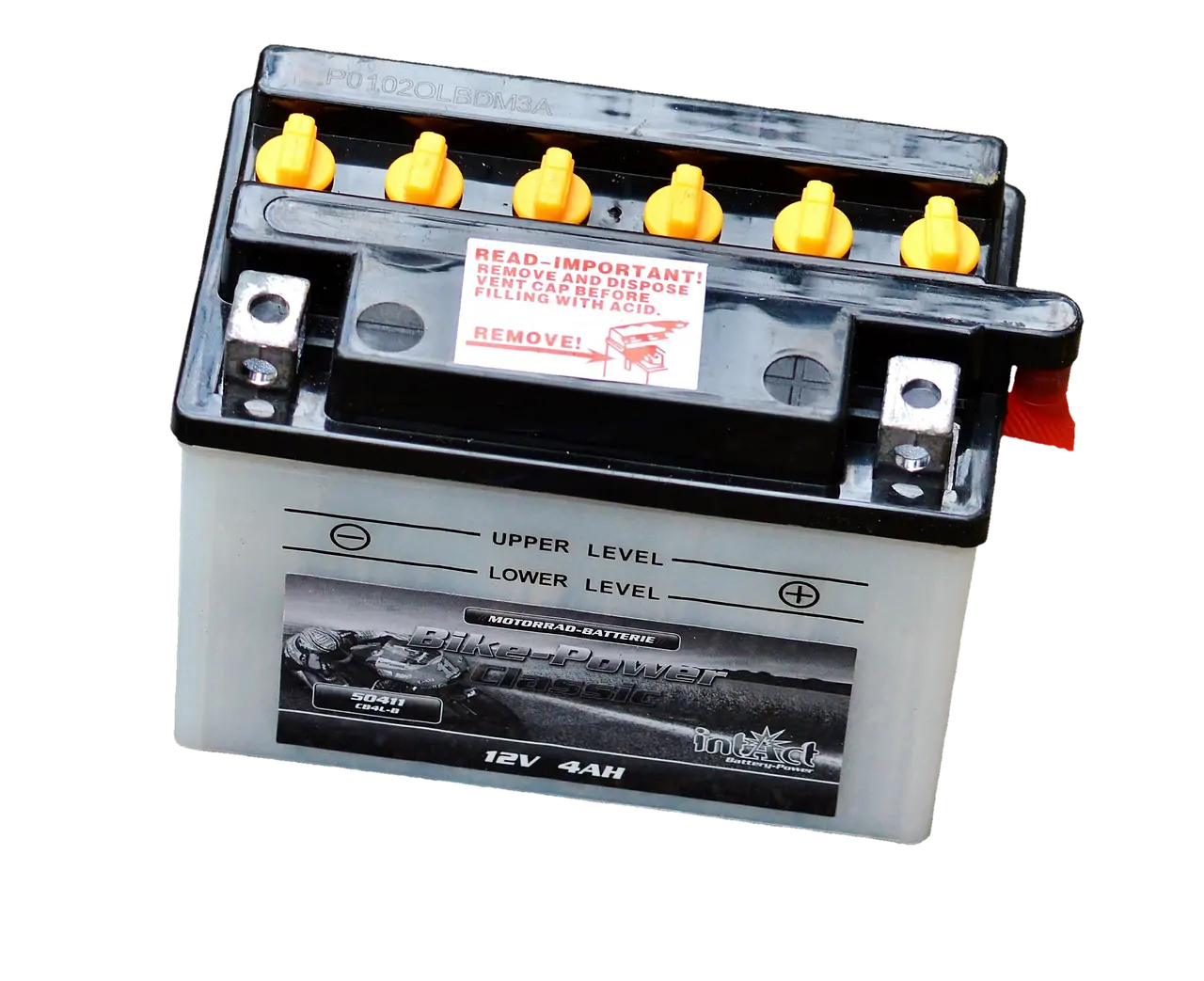
What Is a Battery Maintainer and What Does It Do?

A battery maintainer is a low-output device that holds a charged battery at full charge during storage. It will not revive a dead battery, and if a battery sits discharged for weeks, sulfation and no-start trouble can follow. This guide explains how maintainers work, when they beat a charger, and how to choose the right type for your battery and parking pattern.
A maintainer switches to maintenance mode once the battery is full. In that mode, it monitors the battery and adds only enough energy to offset self-discharge, so the battery stays ready for use without being pushed past full charge.
When a maintainer works and when it doesn’t
That is the key job. It is for storage, not recovery.
Consumer Reports distinguishes maintainers from trickle chargers by automatic on-off behavior. A maintainer may charge a battery at first, then stop or pulse as needed. A trickle charger is usually a slow charger that still calls for monitoring and may need a manual disconnect.
The line matters because a maintainer prevents overcharging while keeping the battery ready. It is built for long-term connection to a stored vehicle or seasonal machine, not for dragging a weak battery back from the edge.
What it cannot do
A maintainer is meant to preserve charge level, not resurrect a dead battery. If a battery is deeply discharged, the right tool is a charger with enough output and the correct battery mode. A maintainer alone is the wrong choice in that case.
Picture a motorcycle that sits in a garage for six weeks between rides. A maintainer can hold the battery near full. Picture the same bike after months of neglect, where the starter only clicks. That is recovery territory, not maintenance territory.
Battery maintainer vs charger
A battery maintainer and a charger can look similar, but they do different jobs. A charger restores charge. A maintainer keeps a charged battery at full level once charging is already complete. Some smart chargers blur the line because they include automatic on-off behavior and may offer maintenance-capable modes.
The difference shows up in how the device behaves after the battery fills. A maintainer automatically switches to maintenance mode once the battery is fully charged. In that state, it keeps watch and adds energy only as needed. A charger keeps pushing current until the battery reaches its target, and some models are meant for that job only.
Trickle charger differences
A trickle charger slowly replenishes battery charge, but it often needs more attention than a maintainer. It may not turn itself fully off, so you usually need to monitor it and disconnect it at the right time. That makes it a different tool from an automatic maintainer.
Smart charger similarities and limits
Some smart chargers behave like maintainers after the main charge is complete. They may include AGM mode, and some include desulfation for traditional flooded batteries. That said, smart does not mean universal. You still need to match the charger or maintainer to the battery chemistry and the battery’s state of charge.
A common first-timer mistake is buying a charger with a maintenance label and assuming it fits every battery. It may not support lithium. It may not have a proper AGM profile. The label is not enough; the supported modes matter.
When should you use one?
Use a maintainer when a vehicle or machine sits long enough for self-discharge to matter. Modern cars can lose battery power even after just a week or two parked. Stored motorcycles, seasonal equipment, and backup vehicles are common candidates, especially when repeated short trips never fully restore the battery.
It is also useful when a vehicle is parked for predictable stretches. If your parking pattern is measured in weeks rather than days, a maintainer is often more sensible than waiting for the battery to sag and then trying to recover it later.
Say your car is parked at an airport for ten days every month. A maintainer can be the right tool if power is available and the battery is healthy. If the battery already struggles to crank the engine, start with a charger and battery check instead.
When the maintainer is the wrong tool
Choose a charger instead when the battery is weak, deeply discharged, or already unreliable. Consumer Reports says a maintainer is for preserving charge level, not reviving a dead battery. That line is the practical rule: if the battery cannot hold a usable charge, maintenance comes too late.
Which battery types are compatible?
Compatibility depends on chemistry and on the maintainer’s supported modes. Flooded lead-acid batteries are the most common fit. AGM batteries often need a proper charging profile. Lithium batteries can work with some maintainers, but not all models support them, so you need to check the label or manual before leaving one connected.
Battery chemistry affects voltage targets and charging behavior. That is why one device may be fine on a flooded lawn tractor battery but wrong for an AGM motorcycle battery, and why a lithium battery needs explicit compatibility instead of guesswork.
Flooded lead-acid batteries
Traditional flooded lead-acid batteries are a common match for maintainers. Some smart chargers include desulfation for this chemistry, which can help address sulfate buildup on plates. That feature is more about recovery support than routine maintenance, so it belongs on the charger side of the line.
AGM batteries
AGM means absorbed glass mat. These batteries can need a specific charging profile, and advanced maintainers may include AGM mode. If the maintainer lacks that setting, do not assume it will behave correctly just because the battery is 12-volt.
Lithium batteries
Lithium compatibility is model-specific. Some maintainers support it, and some do not. Never leave a non-compatible unit on a lithium battery just because the clamps fit. Check the supported chemistry list before you connect anything.
Which maintainer fits which battery?
The right choice depends on vehicle type, chemistry, storage time, and whether you have wall power. A small battery needs less current than a car battery. A dual-bank setup needs two independent channels. If the battery is weak rather than merely stored, you need a charger, not a maintainer.
| Vehicle type | Battery chemistry | Storage duration | Power source | Recommended amperage range | Maintainer or charger | Not a fit if… |
|---|---|---|---|---|---|---|
| Motorcycle | Flooded lead-acid | Weeks to months | Wall outlet | 0.75A | Maintainer | The battery is deeply discharged or the unit has no maintenance mode |
| Car or truck | Flooded lead-acid | One to several weeks | Wall outlet | 3A is common for cars and trucks | Maintainer | You need to recover a weak battery rather than keep a healthy one topped up |
| Car with AGM battery | AGM | Weeks | Wall outlet | 3A with AGM mode | Maintainer or smart charger with AGM mode | The device lacks AGM support |
| Stored vehicle with lithium battery | Lithium | Weeks to months | Wall outlet | Model-specific | Maintainer only if the chemistry is listed | The maintainer does not explicitly support lithium |
| Two-battery setup | Lead-acid or AGM | Weeks to months | Wall outlet | 1.25A per bank | Dual-bank maintainer | You need one channel to do both jobs or the batteries are not independent |
| Outdoor parked vehicle | Lead-acid | Weeks | Solar | Low amperage output | Solar maintainer | You want to recharge a weak battery instead of offsetting natural discharge |
| Large battery or deeply discharged battery | Lead-acid or AGM | Recovery needed | Wall outlet | 10A when the product supports charging rather than maintenance only | Charger | You only have a maintainer, or the unit cannot provide a proper charge mode |
The amperage range matters. In general, the right current depends on battery capacity and on the specific device, so there is no single rule that fits every battery. A low-current unit can be fine for maintenance, while a larger battery or a charger with a maintenance function may call for a different output. Some product guidance points to 1.25A per bank for dual-bank models and 10A for larger or more discharged batteries when the product supports charging rather than maintenance only.
That last point matters. Low current can be fine for maintenance. It is not the same as a proper charge rate for a flat battery.
How to connect one safely
Safe hookup starts with the right connector and the right battery mode. Quick connectors, often sold as pigtails with eyelet-style leads, make repeated hookup easier and can be safer than clips because they reduce the chance of an underhood spark. They are especially useful when the battery lives in a tight or awkward spot.
Before connecting, make sure the vehicle is off and the area is ventilated. Follow the battery mode before you connect. If the battery is AGM, use AGM mode if the maintainer has it. If the battery is lithium, confirm support first. If the product is maintainer-only, do not attach it to a weak battery and expect recovery.
Connection steps
- Confirm the battery chemistry and the device’s supported modes.
- Make sure the vehicle is off and the area is ventilated.
- Inspect the cables and connector for damage.
- Connect the positive lead first, then the negative lead or the recommended ground point.
- Attach the eyelet leads or clips with firm contact.
- Connect the maintainer to the power source.
- Check that the device indicates charging or maintenance mode correctly.
- Leave it connected only for the battery types and use case the unit supports.
Common hookup mistakes
Do not connect a maintainer set for the wrong chemistry. Do not leave a non-compatible unit on a lithium battery. Do not expect a maintainer-only product to recover a dead battery. Do not use a clip lead setup if a fixed pigtail would reduce repeated connection risk and make access easier.
Special cases: solar and dual-bank models
Solar maintainers are useful when the vehicle sits outdoors away from a power source. Their output is low, and Consumer Reports says they offset natural discharge rather than recharge a weak battery. Look for reverse charge blocking diode protection so the battery does not feed current back into the panel at night. (Consumerreports)
Dual-bank maintainers are built for two-battery systems. They maintain two independent batteries at the same time, with separate channels. The guide lists 1.25A per channel for the dual-bank model, which fits setups where each battery needs its own maintenance path.
Suppose a truck has one battery for starting and another for accessories. A dual-bank maintainer keeps both topped up without tying the batteries together. A single-bank unit cannot do that job cleanly.
Choosing power source and bank count
Choose solar when there is no wall outlet and the battery only needs help holding its charge. Choose a wall-powered maintainer when you need stable, automatic maintenance for a stored car, motorcycle, or seasonal machine. Choose dual-bank only when the batteries are truly separate and both need maintenance.
Frequently asked questions
What is a battery maintainer?
A battery maintainer is a low-output device that holds a charged battery at full charge during storage. It automatically switches to maintenance mode once the battery is full, then monitors the battery and adds energy as needed. It is for keeping charge, not restoring a dead battery.
How do battery maintainers work?
They charge a battery until it reaches full charge, then switch to a low-output hold mode or pulsed maintenance behavior. In that mode, they account for self-discharge and help prevent overcharging. The goal is to keep the battery ready without pushing it past full.
What is a car battery maintainer?
A car battery maintainer is a maintainer sized and set up for an automotive battery. It is useful when the car sits for days or weeks and the battery slowly loses charge. It is not a fix for a weak battery that already struggles to start the engine.
Will a battery maintainer charge a battery?
Yes, many units charge a battery first, then switch to maintenance mode when the battery is full. But that is different from recovery charging. If the battery is deeply discharged, a maintainer is usually the wrong tool, and a charger with enough output is the better choice.
Battery maintainer vs charger: what’s the difference?
A charger is for restoring charge. A maintainer is for holding a healthy battery at full charge during storage. Some smart chargers can also maintain, but only if they have automatic on-off behavior and the right battery modes. A maintainer is not a replacement for a charger when the battery is weak.