Can You Use Regular Sockets with an Impact Wrench?

No, use impact-rated sockets on an impact wrench; regular chrome sockets are for hand tools, and even if they fit the drive size, they can crack under hammering torque. A split socket can damage the fastener, the tool, or your hands. This guide shows how to check socket type, drive size, and fastener condition before you pull the trigger.
Can you use regular sockets with an impact wrench?
No for routine use. Regular chrome sockets are not recommended on an impact wrench because fit alone does not make them safe under repeated hammering force. Impact wrenches deliver hammering rotational impacts in cordless or pneumatic forms, and the resulting shock load can push a hand socket past its design limit.
The key point is simple: a socket can match the anvil and still be the wrong tool. Regular sockets are made for hand torque with ratchets, breaker bars, and torque wrenches. Impact sockets are built for repeated impacts and thicker walls, so the safer choice is the one marked for the tool you are using.
What an impact wrench does
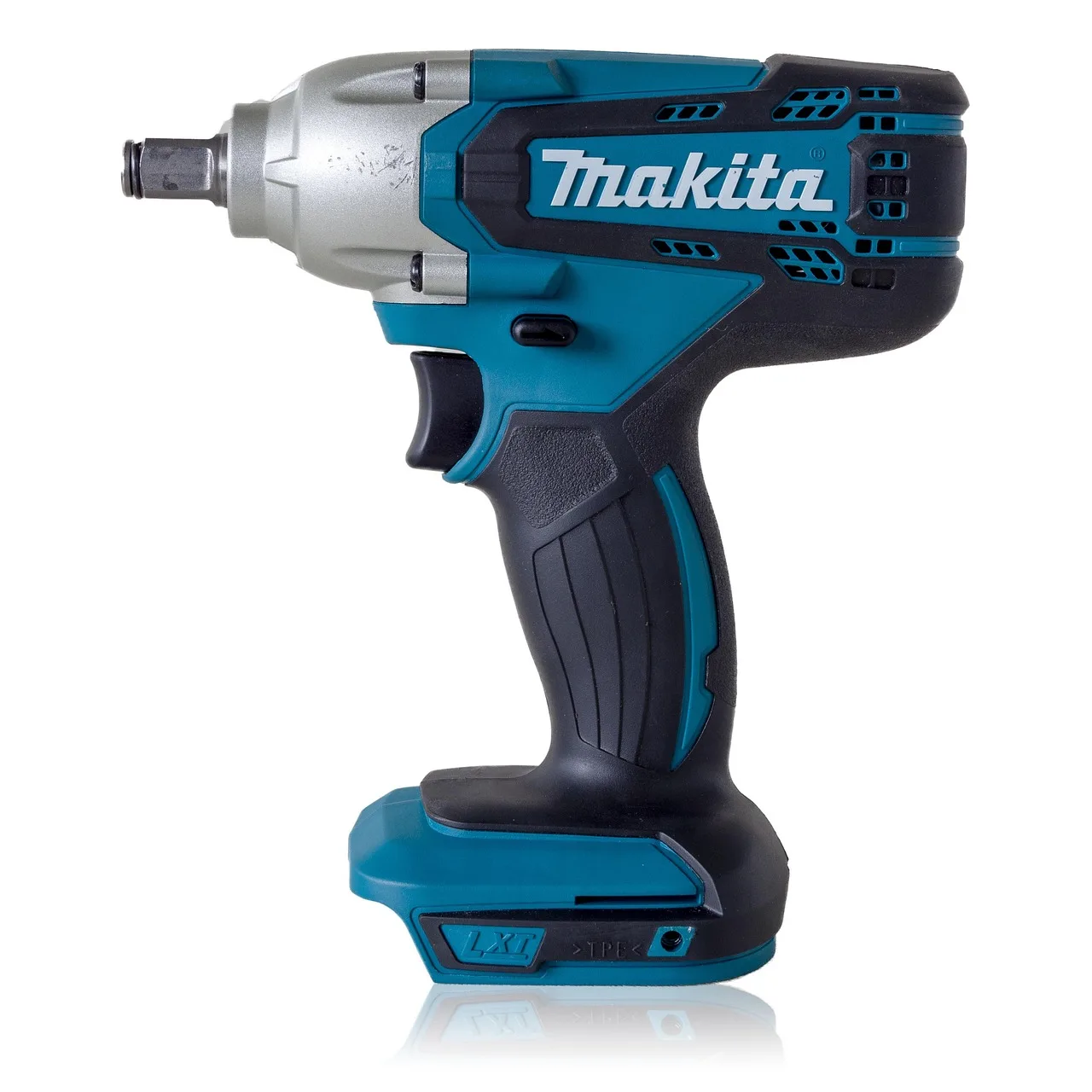
An impact wrench is a powered socket wrench tool that uses short hammering blows to turn fasteners. That action is different from steady hand torque. The repeated impacts are why a socket that feels fine during a quick test fit can still fail once load builds on a stubborn bolt or lug nut.
What regular sockets are made
Regular sockets, also called chrome sockets, are hand-tool sockets. They are typically chrome-plated and used with ratchets, breaker bars, and torque wrenches. Chrome sockets and regular sockets are the same thing, so a polished chrome finish is a clue, but the marking on the socket matters more than color alone.
What impact sockets are made
Impact sockets are impact-rated sockets made for repeated shock loads. They usually have thicker walls and are often finished in black oxide or phosphate. The supplied material notes list chrome-molybdenum steel for impact sockets, while some property tables list impact-grade chrome vanadium for certain impact lines, so check the actual product listing instead of assuming by color.
Why regular sockets can fail
Regular chrome sockets are not built for high torque from an impact wrench. Under repeated impacts, they can crack, slip off the nut, or break completely. The failure can start small, then turn into a sudden shatter when the socket is loaded hard against a seized fastener or wheel lug nut.
Cracking and sudden breakage
The first stage is often microfracture. The socket may look fine from the outside while small cracks spread in the wall or around the drive end. Once the crack opens, the socket can split without much warning, and the broken pieces can leave sharp edges.
Rounding the fastener
A socket that flexes or distorts can lose clean contact with the flats of the fastener. That raises the chance of rounding, especially on rusted bolts or partially damaged lug nuts. Once the corners round, removal gets harder and the chance of further damage goes up.
Flying fragment risk
When a regular socket breaks on an impact wrench, fragments can fly. That creates a hand and eye hazard, and the danger rises when the fastener is seized or the socket is already worn. Tool damage is possible too, especially if the broken socket leaves debris in the anvil or around the fastener head.
When the fit still is wrong
Fit is only one piece of the decision. You also need the correct drive size, the right retention style, and enough clearance around the fastener. A socket that slides on easily can still be a bad choice if it is the wrong material, the wrong retention setup, or too tight against surrounding parts.
Drive size and anvil match
Socket drive size must match the wrench anvil or adaptor. Common sizes include 1/4-inch, 3/8-inch, 1/2-inch, and 3/4-inch, and larger sizes may exist. The drive size alone does not make the socket safe, but a mismatch can add wobble, poor retention, or outright failure to engage.
Retention ring and detent differences
Impact wrenches may use a cross-hole for a pin and O-ring, a friction-ring or hog-ring anvil, or a detent-ball system. Hand sockets often rely on the detent ball of a ratchet or torque wrench. If the retention method is poor, the socket can walk off under vibration even before the material itself fails.
Clearance around tight fasteners
Sometimes a regular socket has a thinner wall and physically fits where an impact socket will not. That does not make it the safer choice on an impact wrench. If clearance is tight, the better fix is usually a correct-size impact socket with the right profile, not a chrome socket used outside its intended job.
For example, a 19 mm wheel lug nut may sit deep in a narrow alloy wheel pocket. A chrome socket may slide in more easily, but the safer choice is still an impact socket if you are using an impact wrench. The extra wall thickness is there to handle shock, not to make room in the wheel.
Impact wrench compatibility checklist
Use this checklist before you attach any socket. The question is not only whether it fits, but whether the tool, socket, fastener, and clearance all match the job. If one item fails the check, switch to the correct socket type or use a hand tool instead.
| Tool type | Socket type | Acceptable use | Main failure risk | Practical recommendation |
|---|---|---|---|---|
| Impact wrench | Impact socket | Best choice for repeated hammering torque on bolts, lug nuts, and other driven fasteners | Low if the socket is the right size and in good condition | Use impact-rated sockets that match the anvil and drive size |
| Impact wrench | Regular chrome socket | Not recommended for routine use | Cracking, slipping, rounding, sudden breakage | Do not rely on fit alone; switch to an impact socket |
| Impact driver with adapter | Socket adapter plus socket | Only if the adapter and socket are rated for the tool and the job is light | Adapter twist, socket loss, rounding on stubborn fasteners | Use with caution and confirm the adapter and socket rating in the listing |
| Torque wrench | Impact socket or regular chrome socket | Hand torque work where access and size matter more than finish | Usually fit or access issues, not impact failure | Either socket type may work if it fits and the wrench drive matches |
| Ratchet | Regular chrome socket | Normal hand-tool use | Low, if the socket is not damaged | Use the socket that matches the fastener and the drive size |
| Lug nuts | Impact socket | Removing or installing wheel fasteners with an impact wrench | Rounding, socket shatter, wheel damage if the socket slips | Use an impact socket and hand torque the final specification with a torque wrench |
| Seized bolts | Impact socket | High-load removal where shock helps break corrosion loose | Highest chance of socket failure if a chrome socket is used | Use impact-rated sockets and inspect the fastener before forcing it |
| Tight-clearance fasteners | Impact socket if it fits; otherwise a different access solution | When surrounding parts leave little room around the head | Thin-wall fit temptation leading to the wrong socket choice | Do not choose a chrome socket just because it is slimmer |
Use regular sockets inspection checklist
- Check the marking on the socket, not the color alone.
- Confirm the socket is marked for impact use.
- Match the drive size to the wrench or adapter.
- Inspect the square drive for rounding, cracks, or mushrooming.
- Look for splits near the hex opening and around the drive end.
- Check the fastener head for rounding, rust, or partial stripping.
- Verify there is enough clearance for the socket wall and the retention hardware.
- Retire any socket with visible damage, even if it still fits.
Can you use chrome sockets on an impact driver?
Not as a default choice. An impact driver is different from an impact wrench, and the answer changes with the tool type and the adapter being used. A socket can be attached through an adapter, but that does not make a regular chrome socket a safe match for repeated hammering loads or stubborn fasteners.
The safer habit is to treat an impact driver and an impact wrench as separate tools. If the job requires sockets, use a socket adapter and a socket that the adapter and tool maker allow, then check the actual job load. Light fastening is different from breaking loose rusted hardware.
Why the answer changes by tool type
An impact driver usually drives fasteners through a bit holder and hex interface, not directly through a socket anvil. That means the adapter becomes part of the load path. If the adapter or socket is not rated for the stress, the failure can happen at the adapter, the socket, or the fastener head.
Can you use regular sockets on a torque wrench?
Yes, a regular chrome socket is commonly used on a torque wrench because torque wrenches are hand tools, not hammering tools. The main concerns are correct drive size, enough clearance, and a socket that seats fully on the fastener. In typical use, socket finish matters far less than fit and access.
That said, impact sockets can also be used with hand tools. GarageSee says impact sockets may be used with a hand ratchet, breaker bar, or torque wrench. That makes the choice more about access, wear, and what you already own than about safety under shock loading.
When to use impact sockets
Use impact sockets whenever the tool is an impact wrench and the fastener is likely to see high shock load. Wheel lug nuts, seized bolts, and rusted suspension hardware are the clearest examples. These are the jobs where regular chrome sockets are most likely to crack, slip, or shatter.
Wheel lug nuts
Lug nuts are a common place to use an impact socket because they often need quick removal and may be slightly corroded or unevenly loaded. A socket that rounds here can turn a simple wheel service into a much harder job. After removal, final tightening should be done with a torque wrench and the vehicle maker’s specification.
Seized bolts
Seized bolts are often among the hardest jobs for socket use because they can combine corrosion, friction, and shock load. If a socket is going to fail, this is where it often happens. The safer approach is to start with the correct impact socket, inspect the fastener head, and stop if the bolt begins to round or the socket shows damage.
Suspension and engine-bay fasteners
Suspension hardware and some engine-bay fasteners can be tight, dirty, or obstructed. Clearance may tempt you to grab the thinnest socket available, but thin wall is not the same as impact safety. If access is difficult, choose the socket type that matches the tool first, then solve clearance with the correct profile or extension setup.
Suppose a rusted 14 mm suspension bolt resists a cordless impact wrench and the first chrome socket starts to twist on the head. Stop immediately. That is the moment to switch to an impact socket, because the risk is no longer theoretical; the fastener and socket are already showing the load path.
Frequently asked questions
Can you use any socket with an impact wrench?
No. A socket may fit the drive size and still be wrong for the tool. You need a socket marked for impact use, the correct drive size, and enough clearance around the fastener. Fit alone does not make a socket safe under impact loads.
Can you use chrome sockets with an impact wrench?
Chrome sockets and regular sockets are the same thing, and they are not recommended for impact wrench use. The polished finish is not the issue by itself. The issue is that these sockets are intended for hand tools, while impact wrenches deliver repeated shock loads.
Why can’t you use regular sockets with an impact wrench?
Because the tool is asking the socket to absorb impacts it was not built for. That can lead to microfractures, rounding, slipping, and sudden breakage. The socket may also damage the fastener head, which makes removal harder and increases injury risk.
What happens if you use regular sockets with an impact wrench?
You raise the chance of a cracked or shattered socket, especially on stubborn hardware. The broken socket can injure your hands or eyes, and it can damage the fastener or tool. The risk is higher on wheel lug nuts, seized bolts, and other high-load jobs.
Do you need to use impact sockets with an impact wrench?
Yes, that is the safe default. Impact sockets are designed for impact wrenches and repeated shock loading, while regular chrome sockets are for hand torque and ratchets. If the socket will see hammering force, use the socket type built for that job.
Can you use regular sockets on an impact driver?
Not as a general rule. An impact driver with an adapter changes the load path, but it does not make a regular chrome socket a safe choice for impact work. Check the adapter and socket listing, and avoid using a hand socket for stubborn or high-load fasteners.
Can you use regular sockets for an impact wrench?
Use them only if you are willing to accept the risk, and that is not the recommended choice. For normal shop and driveway work, pick an impact socket instead. That gives you thicker walls, better shock tolerance, and a much lower chance of sudden socket failure.