
How Can You Recognize an Impact Socket?

An impact socket is marked “impact” or “impact-rated,” often finished in black oxide or phosphate, and may be made from chrome molybdenum or another impact-rated steel. Chrome-plated, shiny sockets are often hand-tool sockets. Using the wrong socket can crack the socket body, round fasteners, or launch fragments. This guide gives the fastest visual checks for material, markings, finish, shape, and package labels before you buy or use a socket with an impact wrench.
What is an impact socket?
An impact socket is a socket made for impact wrench hammering, not hand tightening. It is usually forged from chrome molybdenum, often marked for impact use, and built with thicker walls so it can absorb vibration and high-torque loads without failing as easily as a standard chrome vanadium socket.
How impact sockets differ from standard sockets
Standard sockets are typically made of chrome vanadium, or Cr-V. That material is common for hand tools, but it is not the right choice for hammering from an impact wrench. Impact sockets are forged from Chrome Molybdenum, or Cr-Mo, which is described as more ductile than Cr-V and better suited to absorb repeated impact-like loading.
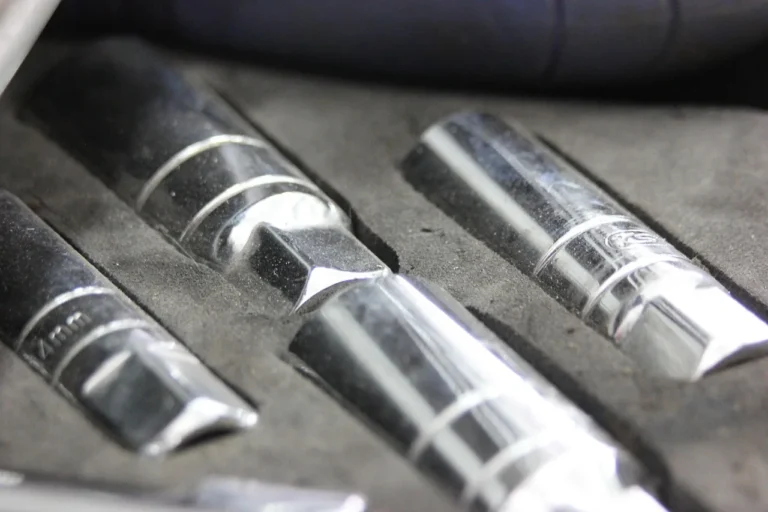
The finish also differs. Many impact sockets are black oxide or phosphate finished, while many standard sockets are shiny chrome-plated. Finish alone is not proof, though. A black socket can still be a standard socket, so the marking and packaging matter too.
Why impact wrenches need impact-rated sockets
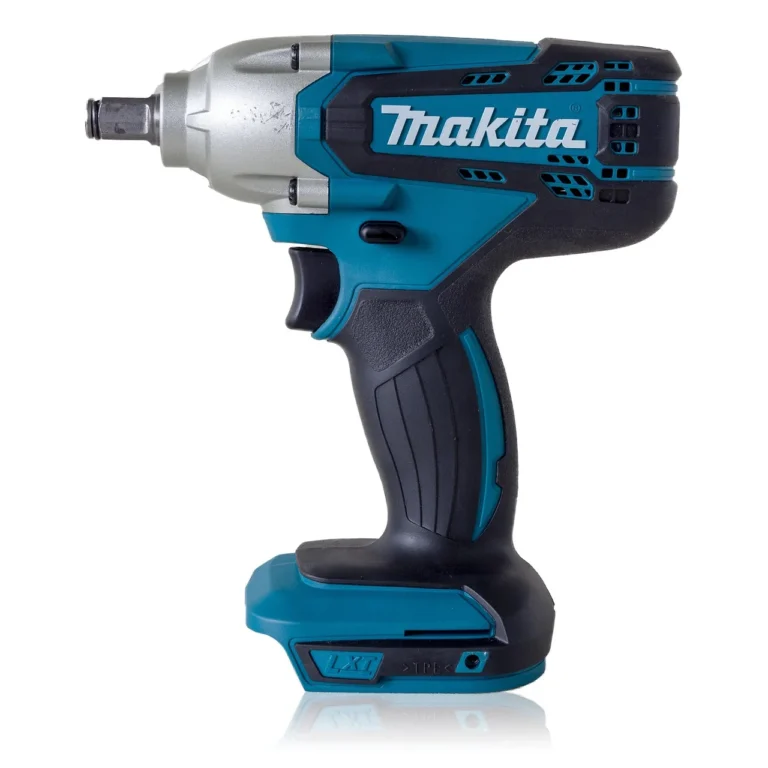
An impact wrench, pneumatic or cordless, delivers rapid-fire hammering. That repeated impact pattern can crack a regular socket, especially if the socket was made for hand tools. An impact-rated socket is built to take that loading so the fastener, socket, and tool stay within their intended limits.
Say your cordless impact wrench is set for wheel removal and the socket has a mirror finish with no impact marking. That is a warning sign, even if the size fits. A socket that only looks strong can still fail when hammered repeatedly.
How can you recognize impact sockets?
You can recognize many impact sockets by three things in hand: a dark finish, impact-specific markings such as “impact” or “Cr-Mo,” and a thicker body than a matching hand-tool socket. Also check the drive-end shape and the package label. If any one cue is missing, verify the others before using it on an impact wrench.
Finish and color cues
Black oxide and phosphate finishes are common on impact sockets because they avoid the bright chrome look of many hand-tool sockets. That said, color is only a clue. Some painted or coated standard sockets also look dark, so you should never treat finish as the only proof.
- Look for a matte black, dark gray, or oil-black surface.
- Check for chrome plating. Bright chrome usually points to a standard socket.
- Watch for paint or coating that hides the real surface. That can mislead you.
Material stamps and size markings
Many impact sockets are stamped “Cr-Mo,” “impact,” or “impact rated.” Standard sockets are typically marked as chrome vanadium, or Cr-V, and may be labeled for hand tools instead. The drive size and size callout should also be easy to read, especially on 1/2-inch drive sockets used for wheel work.
If the socket body is marked only with the size and nothing else, check the package or the rest of the set. Mixed kits sometimes include both impact and hand-tool pieces in the same organizer.
Wall thickness and drive-end shape
Impact sockets have thicker walls than a same-size regular socket. The body may look slightly bulkier, and the drive end can appear less delicate. That extra wall thickness gives room for strength, but it can also make the socket harder to fit into tight wheel openings.
The drive-end profile should also look solid, with no polished chrome sheen. If the socket is deep, the longer body helps with recessed fasteners and modern alloy rims. It can also keep the impact wrench farther from the wheel’s surface.
- Check the finish first. Look for black oxide or phosphate rather than bright chrome. If the socket is black, treat that as a clue, not a final answer.
- Read the alloy stamp. Find “Cr-Mo,” “impact,” or “impact rated” on the socket body. If you only see “Cr-V” or a hand-tool label, set it aside for impact use.
- Compare the wall thickness. Put it next to a standard socket of the same size. The impact socket usually looks thicker and less delicate around the barrel.
- Inspect the drive end. Check for a solid, plain drive opening and a heavier body shape. A chrome-plated, thin-walled socket is usually a hand-tool socket.
- Confirm the package label. If the socket came in a set, read every claim on the box or tray insert. Look for “impact,” “impact-rated,” and the drive size before you use it.
Impact socket identification checklist
This checklist helps you decide with the socket in hand or still in packaging. Use all the cues together. One black finish or one bold word is not enough on its own.
| Visual cue | What it usually means | What to verify | Common false positives | Yes/no final decision |
|---|---|---|---|---|
| Black oxide or phosphate finish | Often an impact socket finish | Check for impact marking, Cr-Mo stamping, and package language | Black painted or coated standard sockets | No unless the other cues match |
| “Cr-Mo” stamping | Common impact-socket alloy marking | Confirm the set is sold as impact-rated or impact-safe | Unclear packaging, mixed kits, decorative markings | Yes only with matching label |
| Thicker walls | Built for impact loading and durability | Compare against a regular socket of the same size | Thick-looking deep sockets that are still hand-tool only | No unless marked for impact use |
| Impact-ring groove or heavy drive-end profile | Often a sign of an impact-rated design | Look for impact wording on the socket or package | Similar grooves on specialty hand sockets | Maybe, verify first |
| Socket case says “impact,” “impact-rated,” or “Cr-Mo” | Strong sign the set is meant for impact tools | Match the label to the socket body and drive size | Generic packaging with no socket-specific claim | Yes if the socket body matches |
| Bright chrome finish with no impact marking | Usually a standard Cr-V socket | Check the alloy stamp and the package again | Shiny coated impact tool in rare packaging, but uncommon | No for impact wrench use |
How to read the package and set labels
Packaging matters because it often says more than the socket body does. Look for “impact,” “impact-rated,” “Cr-Mo,” “deep,” the drive size, and the drive system, such as metric or SAE. If the label is vague, read it again before putting the socket near an impact wrench.
Words that usually indicate impact rating
Good labels usually say “impact socket,” “impact-rated,” “Cr-Mo,” or “for use with impact tools.” Deep impact sockets may also be marked as such. For wheel work, the package may recommend 1/2-inch deep impact sockets because that size is the industry standard for wheel removal and can handle more than 100 lb-ft of torque.
Words that need a second check
Phrases like “heavy duty,” “industrial,” or “black finish” do not prove impact rating. They may describe appearance or general build, not hammering use. “Deep” also does not automatically mean impact. A deep hand socket can still be the wrong tool for an impact wrench.
A common first-timer mistake is buying a black socket set for a cordless impact wrench because the finish looks right. The set may be black-coated Cr-V hand sockets. If the package does not say impact-rated, stop there and verify before use.
Common store-packaging false positives
Some store sets mix standard and impact pieces in similar trays. Others use dark packaging that looks “pro” without stating the socket material. A painted socket can also hide a chrome-plated body, so the finish on the shelf can mislead you.
- Black box, no impact wording: verify every socket.
- Mixed metric and SAE trays: do not assume all pieces match.
- Loose bins: check the stamp on the socket itself.
Can you use a standard socket with an impact wrench?
No. A standard chrome vanadium socket is not the right choice for an impact wrench, even if it fits the fastener. Cr-V is common for hand tools, but impact wrench hammering can make a standard socket crack or shatter. If the socket is not clearly impact-rated, set it aside.
Why chrome vanadium is the wrong clue to trust
Cr-V is not a mark of safety for impact use. It is the typical material for standard sockets, and it is intended for hand-tool work, not repeated hammering. If you see Cr-V and no impact marking, treat that socket as a non-impact tool.
When a socket should be set aside
Set it aside if it is bright chrome, lacks impact wording, or comes from a hand-tool set. Also set it aside if the package only says “general use” or “mechanic set” without impact language. Using the wrong socket can crack the socket, damage the fastener, or send debris outward.
When a deep impact socket is the right call
A deep impact socket is the right call for recessed fasteners, especially wheel lug nuts in modern alloy rims. The longer body reaches the nut, reduces the need for extensions, and keeps the impact wrench farther from the wheel face. For wheel removal, 1/2-inch deep impact sockets are the common choice.
Wheel lug nuts and recessed fasteners
Wheel lug nuts are one of the most common impact-socket jobs. Alloy wheels often recess the lug nuts, so a shallow socket may not reach cleanly. A deep socket helps you seat fully on the fastener and reduces contact with the wheel opening.
Suppose the lug nut sits deep inside a narrow alloy wheel pocket. A standard shallow socket may catch the rim edge before it reaches the nut. A deep impact socket gives more clearance and a cleaner path to the fastener.
Why 1/2-inch drive is common for wheel work
The 1/2-inch drive is the industry standard for wheel removal. It is common because it handles more than 100 lb-ft of torque and pairs well with impact wrenches used on lug nuts. For a garage set, that drive size is the first one to check when you are shopping for wheel sockets.
Extensions can add slop or wobble, so a deep socket is often the better fit when clearance is limited. Fewer add-ons usually means less movement at the fastener and less chance of rubbing the wheel surface.
- Match the drive size. Confirm the socket is 1/2-inch drive before using it with a wheel-impact setup. That size is the common choice for lug nuts and higher-torque wheel work.
- Choose deep reach. Use a deep impact socket when the lug nut sits recessed in the wheel. The extra length can reduce the need for an extension.
- Check wheel clearance. Make sure the socket body clears the rim face before applying power. The goal is full seating on the nut without scraping the wheel.
Frequently asked questions
What makes an impact socket different from a regular socket?
The biggest differences are material, wall thickness, and labeling. Regular sockets are typically chrome vanadium and often chrome-plated. Impact sockets are usually Cr-Mo, thicker-walled, and marked for impact use so they can be identified before power-tool use.
How does an impact socket work?
It works by spreading impact loads through a tougher, more ductile body instead of concentrating stress at one thin point. That lets it handle rapid hammering from an impact wrench better than a hand-tool socket. The goal is controlled torque transfer with less risk of cracking.
What material are impact sockets made from?
Most impact sockets are made from Chrome Molybdenum, or Cr-Mo. Standard sockets are typically chrome vanadium, or Cr-V. The material stamp matters because it gives a fast clue about whether the socket was meant for impact-tool use or for hand tools.