What Socket Set Sizes Do You Need for Car Maintenance?

For many car maintenance jobs, a metric 3/8-inch drive socket set with 8 mm through 19 mm sockets often covers filters, battery terminals, brakes, and many suspension fasteners; add about 21 mm to 24 mm for wheel lugs, and use 1/4-inch drive for small fasteners. Buy the wrong sizes and you waste time, round hardware, or end up buying again halfway through a repair. This guide maps common car jobs to the smallest socket set that will handle them, so you can buy only what your repairs actually need.
Choosing sockets for fit and access
A socket set is a ratchet plus interchangeable sockets. The ratchet supplies turning force, while the socket fits the fastener head. For car work, size choice depends on both the fastener and the space around it.
That second part matters more than many shoppers expect. A socket can match the bolt head and still fail if it is too shallow for a long stud, too thick-walled for a recessed nut, or attached to the wrong drive size for the torque involved.
Why fastener access matters as much as size
Many car repairs happen in cramped spots around brackets, shields, hoses, and panels. In those spaces, a standard socket may fit the hex size but not the clearance. Deep sockets, a slimmer ratchet head, or a different drive size can solve the problem without changing the fastener size at all.
Picture a brake caliper bolt hidden behind a wheel spoke and a dust shield. A 14 mm socket may be the right size, but a short socket can stop on the stud before it seats fully. A deep socket gives the extra reach.
Metric first for most cars
For most modern cars, metric sockets should come first. Metric sockets are measured in millimetres and commonly range from 4 mm to 32 mm. That range covers many routine car jobs, from interior trim fasteners to suspension hardware.
AF sockets, meaning inch-based sizes, matter mainly for older vehicles, imported machinery, or mixed-fleet households that keep both metric and imperial hardware on hand. For most car maintenance on newer vehicles, metric is the better first buy.
| Car job | Typical drive size | Likely socket types | Buy first / buy later |
|---|---|---|---|
| Lug nuts | 1/2 inch | Metric deep socket, impact socket | Buy first |
| Battery terminals | 1/4 inch or 3/8 inch | Small metric socket, standard hex | Buy first |
| Oil drain plug | 3/8 inch | Metric socket, sometimes deep | Buy first |
| Brake caliper bolts | 3/8 inch or 1/2 inch | Metric deep socket, impact socket | Buy first |
| Spark plugs | 3/8 inch | Deep socket, sometimes thin-wall socket | Buy first |
| Airbox bolts | 1/4 inch or 3/8 inch | Metric socket, Torx socket on some vehicles | Buy first |
| Undertray fasteners | 1/4 inch or 3/8 inch | Metric socket, Torx socket, clip tool | Buy later if your car uses them |
| Interior trim fasteners | 1/4 inch | Torx socket, small metric socket | Buy later if you do interior work |
Which drive size should you buy first?
For a first automotive set, 3/8-inch drive is the best all-around default. It lands in the middle on torque, handles general automotive work, and covers everyday jobs for most home mechanics. Add 1/4-inch for small fasteners and 1/2-inch for wheel nuts and heavier work.
Drive size is the connection between the ratchet and the socket. Smaller drives suit delicate, low-torque work. Larger drives handle bigger fasteners and higher force. The right choice depends on the task, not on a single universal rule.
1/4 inch drive for small fasteners
1/4 inch drive is best for low torque, small fasteners, and precision work. On cars, that usually means battery terminals, airbox hardware, some sensor brackets, and interior trim fasteners. It also helps where access is tight and the hardware is light.
If the fastener is small and the area is cramped, 1/4 inch drive keeps the tool compact. That matters more than raw force when you are working near plastic clips, wiring, or thin brackets.
3/8 inch drive as the default
3/8 inch drive is the most versatile size for car work. It handles medium torque and suits general automotive use, which is why many home users and general mechanics use it for everyday jobs. If you buy only one drive size first, start here.
This is the size that covers oil drain plugs, many brake fasteners, spark plugs with the right socket, and a large share of underhood work. It is the middle ground between a small precision set and a heavy wheel-nut set.
1/2 inch drive for wheel and heavy work
1/2 inch drive is the right choice for high-torque automotive work, wheel nuts, heavy automotive work, and structural bolts. It is the sensible pick when the fastener is large, tight, or likely to need more force than a 3/8-inch ratchet should take.
Use 1/2 inch drive for lug nuts and larger suspension or chassis hardware. For a mixed starter kit, it is usually a second purchase after the 3/8-inch set, not the first.
Do you need metric and SAE sockets for your car?
Most modern cars need metric first, and many never need SAE at all. AF sockets matter when the vehicle, trailer, accessory, or household equipment uses inch-based hardware. If your repairs stay on a newer metric car, a metric set is the smarter first buy.
When metric covers most car work
Metric covers the majority of modern car maintenance because many fasteners on newer vehicles are metric. That includes common jobs like battery service, air filters, brakes, and a lot of trim and bracket work. A metric set in the common working range covers the typical repair list well.
A common first-timer mistake is buying a mixed metric-and-SAE kit because it sounds complete, then finding that the SAE half stays in the case. On a modern Japanese, Korean, or European car, metric usually earns its place first.
When AF sockets are worth buying
Buy AF sockets if you work on older vehicles, maintain mixed-fleet households, or deal with imported machinery that uses inch sizes. AF sockets are less common on modern car maintenance, but they still matter for older machines and some legacy hardware.
That does not mean buying SAE for every set. It means matching the set to the hardware you actually see. If the vehicle fleet in the driveway is all metric, start there.
How mixed-fleet households should decide
Suppose one vehicle is a newer metric sedan and the other is an older pickup with inch fasteners on accessory brackets. In that case, a metric starter set still makes sense first, with a small SAE add-on later if you confirm you need it. Do not let the rarer vehicle dictate the whole purchase.
For mixed fleets, a compact SAE add-on can be cheaper than buying a large mixed case up front. Keep the first set focused on the vehicle you service most often.
Car maintenance socket-size matrix
This matrix is the quickest way to match a job to the smallest useful kit. Use it to separate buy-first sockets from the extras that can wait until a specific repair asks for them.
| Task | Common socket size range | Drive size | Socket type | Priority |
|---|---|---|---|---|
| Battery terminals | 8 mm to 10 mm | 1/4 inch | Standard metric | Buy first |
| Oil drain plug | 14 mm to 17 mm | 3/8 inch | Standard metric, sometimes deep | Buy first |
| Brake caliper bolts | 13 mm to 19 mm | 3/8 inch or 1/2 inch | Deep metric, impact socket for stubborn hardware | Buy first |
| Spark plugs | 14 mm, 16 mm, or 5/8 inch equivalent on some engines | 3/8 inch | Deep socket, sometimes thin-wall | Buy first |
| Airbox bolts | 7 mm to 10 mm | 1/4 inch or 3/8 inch | Standard metric, sometimes Torx | Buy first |
| Undertray fasteners | 8 mm to 10 mm, plus Torx on some cars | 1/4 inch or 3/8 inch | Standard metric, Torx | Buy later if needed |
| Interior trim fasteners | T15, T20, T25, or small metric sizes | 1/4 inch | Torx, small metric | Buy later if needed |
| Lug nuts | 17 mm, 19 mm, 21 mm, or 22 mm | 1/2 inch | Deep metric, impact socket | Buy first |
Where this matrix helps most is in limiting overlap. You do not need every socket type on day one. You need the sizes and drive that match the jobs you plan to do first.
What socket types matter most?
The main add-ons beyond standard sockets are deep sockets, Torx sockets, and impact sockets. Each one solves a specific access or force problem. They matter when the socket fits the fastener, but the job still fails because of reach, shape, or tool load.
Deep sockets for reach
Deep hex sockets are meant for long studs and recessed fasteners. They are useful when a standard socket cannot reach the full nut or bolt head, or when the fastener sits below a surface. Spark plugs, some brake hardware, and some suspension fasteners often benefit from deep sockets.
Shallow sockets are fine when the fastener head sits proud of the surface. Deep sockets are the safer choice when you can see only part of the nut or when a stud protrudes through it.
Torx sockets for modern fasteners
Torx sockets are used on modern automotive interiors and electronics, and they also show up on some exterior and underbody fasteners. If you work on trim panels, seat hardware, splash shields, or some engine covers, a small Torx set can save a lot of stripped screws.
If a screw has a star-shaped recess, stop and match it exactly. Using a loose substitute is a fast way to round the head and make a small repair much harder.
Impact sockets for powered tools
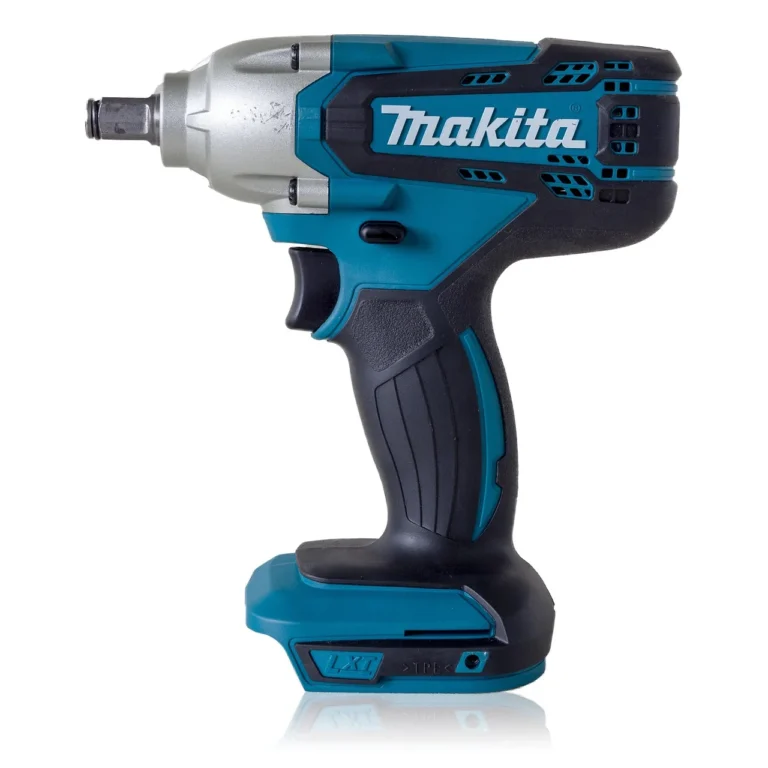
Impact sockets are reinforced with thicker walls for impact wrenches. They are the right choice for wheel nuts, seized hardware, and other heavy-duty jobs where a powered tool or breaker bar adds shock load to the socket.
Use them when force rises, not just when the fastener size gets larger. A standard chrome socket can work by hand, but an impact socket is built for harsher loading.
What features should you look for?
Choose chrome vanadium steel, a fine-tooth ratchet, clear size markings, and storage that keeps every socket in order. Those features matter more than a flashy piece count because they affect fit, access, and how quickly you can grab the right size.
Chrome vanadium steel
Chrome vanadium steel, often marked CrV, is a desirable socket material because it resists rounding and holds tolerance better than basic carbon steel. That matters when a socket has to grip a fastener tightly without slipping under load.
If two sets look similar, CrV construction is the safer starting point for car work. It is a practical quality cue, not a luxury label.
Fine-tooth ratchet
A fine-tooth ratchet, ideally 72-tooth or higher, works in tight spaces and with limited swing. That matters around engine bays, undertrays, and suspension areas where you may only have a short arc before the ratchet hits something.
Lower-tooth ratchets can still work, but they need more handle movement. In cramped car spaces, that slows the job and can force awkward hand positions.
Shallow versus deep clearance
Check both socket depth and outside wall thickness. A shallow socket may fit the hex size, but not the nut sitting on a long stud. A thick-walled socket may fit the hex size, but not the recess around it.
This is one of the most common failure cases in car maintenance. Fit is not just about the number stamped on the socket.
Storage and size marking
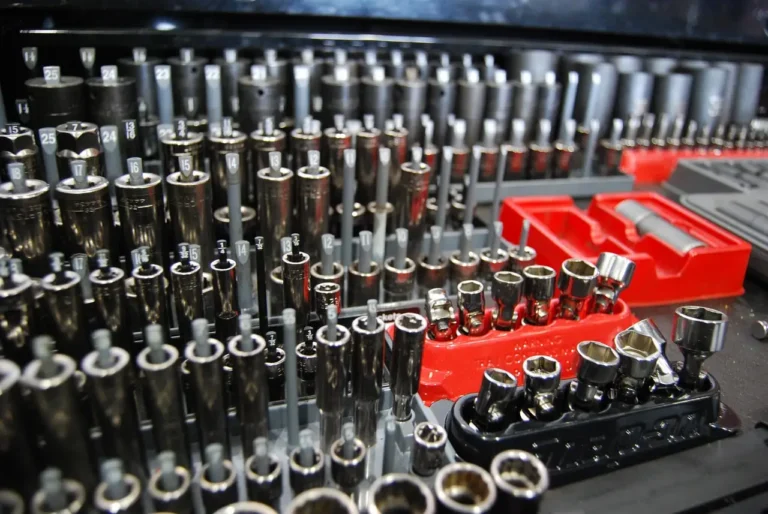
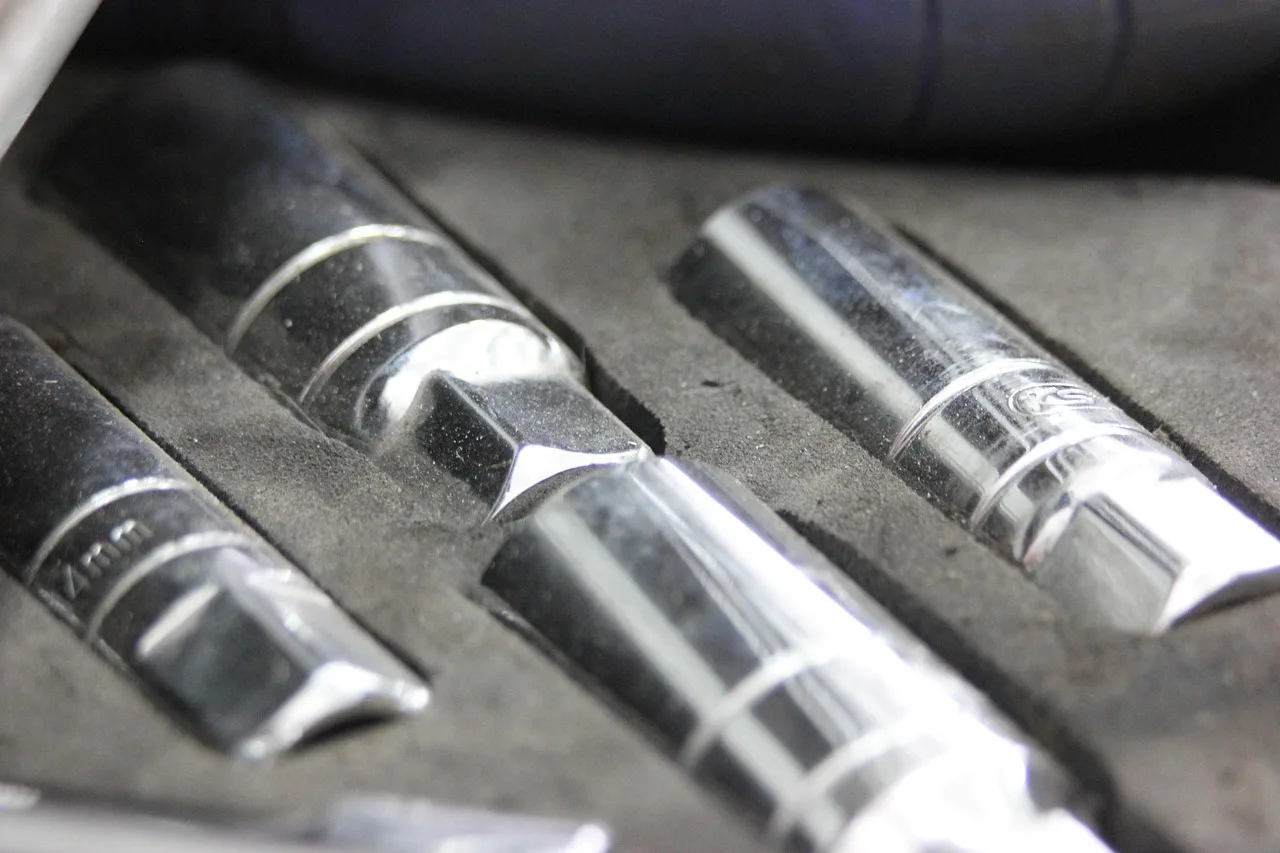
Sockets should be stored in order and matched exactly to the fastener. Good trays or rails make that easy, which helps you spot missing pieces and grab the right size faster.
- Start with a metric 3/8-inch set for general car work.
- Add 1/4-inch drive for small fasteners and tight access.
- Add 1/2-inch drive for lug nuts and heavy hardware.
- Choose deep sockets for studs, recessed fasteners, and spark plugs.
- Add Torx sockets if your car uses star-head fasteners.
- Buy impact sockets if you plan to use impact tools on stubborn fasteners.
For most home mechanics, the smallest useful kit is the one that matches the jobs already on the calendar. A larger set only helps if the extra sockets solve a real fastener problem.
Frequently asked questions
What socket set sizes do I need for basic car maintenance?
For basic car maintenance, start with metric 8 mm through 19 mm in 3/8-inch drive, then add 21 mm to 24 mm for wheel nuts and a small 1/4-inch drive set for battery terminals and trim. That covers many routine jobs without forcing you into a large mixed kit.
Is 3/8 inch or 1/2 inch drive better for car work?
3/8 inch drive is better for most car work because it is the most versatile size and handles general automotive tasks well. 1/2 inch drive is better for wheel nuts and heavier hardware. If you are buying one drive first, 3/8 inch is the better default.
Do I need metric and SAE sockets for my car?
Most modern cars need metric first, not SAE. Buy SAE or AF sockets only if you also work on older vehicles, mixed-fleet household equipment, or imported machinery that uses inch sizes. For a newer car, a metric set usually covers the routine jobs that matter most.
Do I need deep sockets for car maintenance?
Deep sockets are useful for long studs, recessed fasteners, and spark plugs. You do not need them for every job, but they solve real access problems that shallow sockets cannot. If you work on brakes, plugs, or underbody hardware, at least a few deep sockets are worth having.
What socket set is best for a home mechanic?
A home mechanic should start with a metric 3/8-inch set, then add 1/4-inch for small fasteners and 1/2-inch for wheel nuts if needed. Look for CrV construction, a 72-tooth or higher ratchet, and a set that includes deep sockets and Torx if your car uses them.
Should I buy one socket set or separate 1/4, 3/8, and 1/2 drive sets?
Buy one focused set if your goal is basic car maintenance and you want to keep cost and weight down. Separate drives make sense when you know you need the full range for frequent work. For most DIY owners, a 3/8-inch core set plus targeted add-ons is the cleaner start.