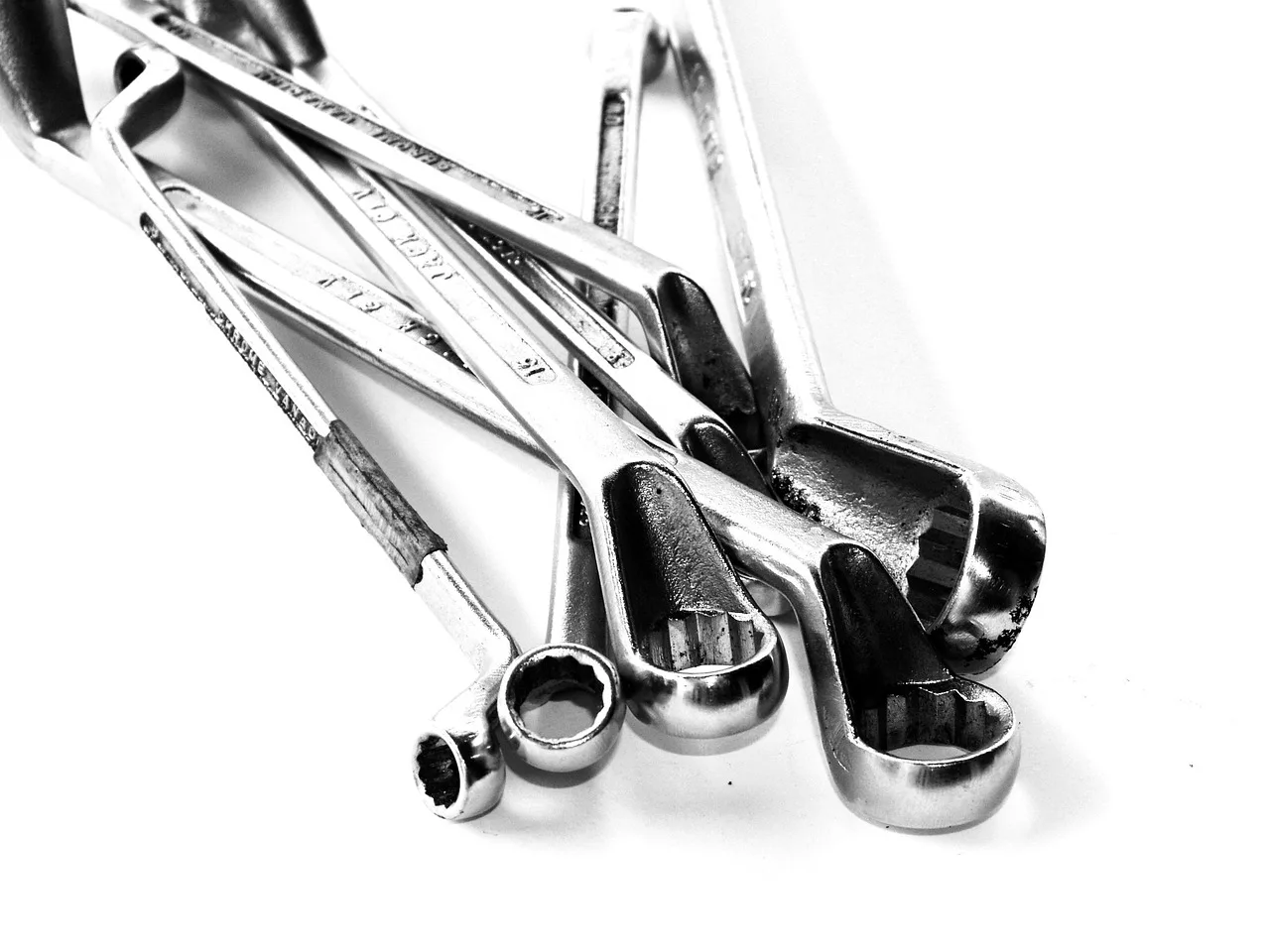
What Is a Socket Set Used for on a Car?

A socket set on a car works with a ratchet to loosen and tighten nuts and bolts. For many modern vehicles, 3/8-inch drive metric sockets cover a broad range of basic repairs. Use 1/4-inch for small fasteners and 1/2-inch for larger, tighter hardware. Pick the wrong size, and you can round fasteners, waste time, and turn a simple job into a broken-bolt repair. This guide matches common car jobs to the right socket type, drive size, and metric, SAE, or impact socket choice.
What does a socket set do on a car?
A socket set lets you turn hex fasteners on a car without using an open-end wrench for every job. On basic vehicle maintenance, it handles battery terminals, brake hardware, trim screws, engine-bay fasteners, alternator bolts, and wheel nuts when the size and drive match the task.
The socket fits over the fastener head. The ratchet drives the socket in one direction and resets on the backstroke, so you can work in tight spaces without lifting the tool after each turn. Many automotive sets also include extensions and adapters for recessed bolts or awkward access.
Socket set parts and drive sizes
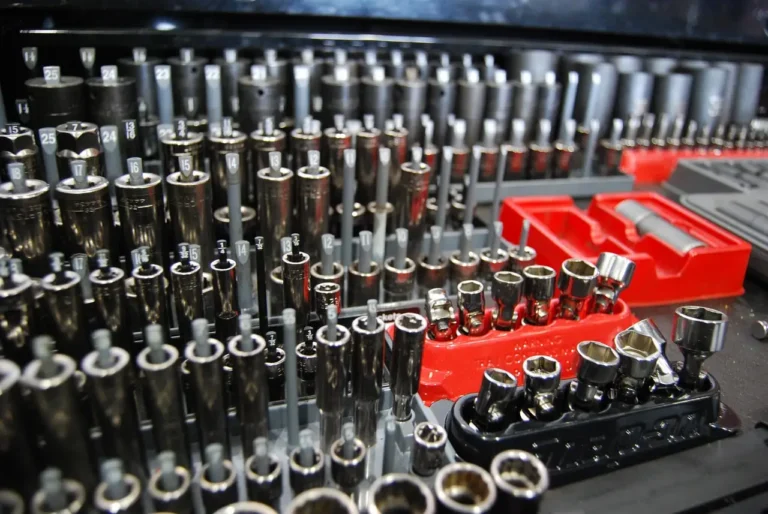
A car socket set usually includes sockets, a ratchet or handle, and sometimes extensions or adapters. The socket size and drive size are separate choices. Drive size is the square end that connects to the ratchet, and it affects strength, reach, and how much torque the tool can handle.
For car work, the three commonly used drive sizes are 1/4-inch, 3/8-inch, and 1/2-inch. Smaller drive sizes suit lighter fasteners. Larger drive sizes suit higher torque and bigger hardware.
1/4-inch drive for small fasteners
Use 1/4-inch drive for small, lower-torque fasteners. It is often useful on interior trim, battery terminals, small engine covers, and light bracket hardware where access matters more than brute force.
It is also useful when space is tight. A 1/4-inch ratchet and socket take up less room around hoses, wiring, and plastic covers than a larger set.
3/8-inch drive for general car repairs
For many basic car repairs, 3/8-inch drive is a common starting point. It fits a wide range of common fasteners on brakes, engine-bay parts, alternator brackets, and many under-hood repairs.
This is the drive size many buyers choose first because it balances strength, reach, and socket selection. It works well for routine automotive maintenance.
1/2-inch drive for larger fasteners and wheel work
Use 1/2-inch drive for larger fasteners and higher-torque work. Wheel nuts, suspension hardware, and stubborn bolts often call for this size because the longer handle and stronger square drive handle more force.
When the fastener is tight, the setup may also need a breaker bar or an impact socket. Standard hand-tool sockets are not the same as impact-rated sockets, and that difference matters when torque climbs.
What size socket set do you need for car work?
For many car owners, a 3/8-inch drive metric set is a practical starter choice. It covers the broadest group of routine repairs, and it is the drive size most likely to fit common fasteners without feeling too small for real car work or too large for tight spaces.
If you only buy one drive size for basic maintenance, start with 3/8-inch. Add 1/4-inch later for trim and small fittings, and 1/2-inch for wheel nuts, suspension bolts, or jobs that need more torque.
Choosing a starter size
Start with the drive size that matches the jobs you expect to do most often. If your work is mostly battery service, trim, small brackets, and light engine-bay repairs, 1/4-inch and 3/8-inch will cover the bulk of it.
If you plan to remove wheels, work on brakes often, or deal with older hardware, include 1/2-inch drive from the start. That keeps you from fighting the wrong tool when torque is the real issue.
- Pick 3/8-inch drive first if you want one set for general car repairs.
- Add 1/4-inch drive for small fasteners, trim, and battery work.
- Add 1/2-inch drive if you expect wheel nuts or other high-torque bolts.
- Choose metric first for most modern vehicles, then add SAE only if your vehicle calls for it.
- Check whether the set includes extensions and a few adapters for recessed hardware.
A common first-timer mistake is buying a large 1/2-inch set for every task. That can be awkward on small engine-bay bolts and plastic trim fasteners, where a smaller drive size fits better and lowers the risk of slipping.
Metric or SAE sockets for cars?
Metric sockets are common on modern and import cars, and they are measured in millimeters. SAE sockets are used on some older or US-built vehicles, and they are measured in inches or fractions. The right choice depends on the fasteners on your vehicle, not on the box label alone.
Do not treat metric and SAE as interchangeable. A near-match can feel close enough to start, but that is exactly how fastener corners get damaged.
Metric sockets on modern and import cars
Most newer cars use metric fasteners in the engine bay, on brakes, and around trim and brackets. If the vehicle was built recently, metric sockets are usually the first set to buy.
Metric sets are also easier to use on mixed repairs because many common automotive fastener sizes fall into a fairly small group of millimeter sizes.
SAE sockets on older or US-built vehicles
SAE sockets still matter on some older vehicles and some US-built models. If the service information or the fastener markings point to fractional inch sizes, SAE is the correct choice.
Keep SAE in the tool bag if you work on older hardware often. Otherwise, many car owners can start with metric and add SAE only when a specific vehicle needs it.
Why mixing sizes can cause fastener damage
A socket that is just slightly off can chew the corners of a bolt head or nut. Once that happens, removal gets harder and the risk of stripping rises fast, especially on rusted or high-torque fasteners.
If the socket does not sit fully on the fastener, stop and check the size. For automotive repairs, fit matters more than speed.
Car job socket match
This table matches common car jobs to the socket type you are most likely to need. It also shows when an impact socket or breaker bar makes sense. Use it as a buying guide, especially if you want one set that covers routine maintenance and a few bigger repairs.
| Repair task | Likely fastener type | Recommended drive size | Metric or SAE choice | Impact socket or breaker bar? |
|---|---|---|---|---|
| Battery terminals | Small nuts and clamp bolts | 1/4-inch | Metric on most modern cars; SAE on some older vehicles | Standard hand socket is usually enough |
| Interior trim fasteners | Small screws and light bolts | 1/4-inch | Metric is common | No impact socket needed |
| Exterior trim and light brackets | Small bolts and nuts | 1/4-inch or 3/8-inch | Metric on most modern cars | Standard socket usually works |
| Brake work | Caliper bolts, bracket bolts, slide-pin fasteners | 3/8-inch, sometimes 1/2-inch | Metric on most vehicles | Breaker bar may help on tight fasteners |
| Alternator fasteners | Mounting bolts and adjustment hardware | 3/8-inch | Metric on most modern cars | Breaker bar may help if access is poor |
| Engine-bay fasteners | Bolts, nuts, and bracket hardware | 3/8-inch | Metric on most modern cars | Standard socket for routine work |
| Wheel nuts | Lug nuts | 1/2-inch | Metric on most modern cars; SAE on some older vehicles | Breaker bar or impact socket may be needed |
| Suspension or stubborn chassis bolts | Larger high-torque bolts | 1/2-inch | Metric is common | Impact socket and breaker bar are often useful |
Wheel nuts deserve special attention. They often need a larger socket and more torque than interior, trim, or battery work. A breaker bar can help with removal, and an impact socket is the right choice when an impact tool is involved or the fastener sees heavy load.
Say your battery clamp uses a small 10 mm nut and the bolt sits deep beside the battery tray. A 1/4-inch drive metric socket with a short extension usually fits that job better than a bulky 1/2-inch setup.
Suppose a wheel nut resists the first turn and the car is on the ground with the parking brake set. A 1/2-inch drive socket, a breaker bar, and the correct metric size are the sensible next step, not a smaller socket forced onto the nut.
When a socket set is not enough
A socket set is the wrong tool when the fastener is stripped, the part is recessed beyond normal socket reach, or corrosion has locked the nut in place. In those cases, a better fit, a specialty extractor, or a different removal tool is the safer choice.
Trying to force a standard socket onto a damaged fastener usually makes the damage worse. Stop early if the hex shape is already slipping.
Stripped fasteners
If the corners are rounded, a normal socket may spin without gripping. That is the point where extractor sockets, penetrating oil, or other removal tools become more useful than more force.
Recessed spark plugs
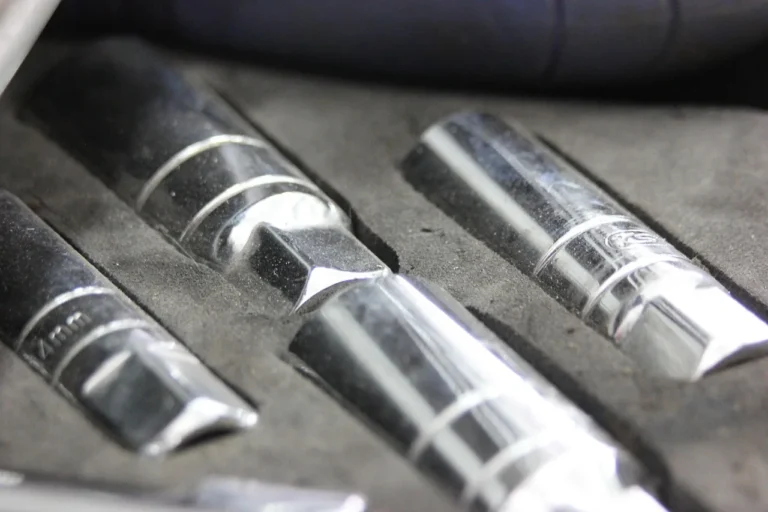
Some spark plugs sit deep in a tube or plug well, so a regular socket may not reach or may not hold the plug securely. A spark plug socket or a longer extension is often the correct tool.
Heavily corroded wheel nuts
Rust and road salt can bond wheel nuts to the stud. In that case, an impact-rated socket and a breaker bar can help, but a damaged or seized nut may still need specialist removal methods.
What sockets are best for automotive repairs?
For automotive repairs, the best setup is usually a mixed metric socket set with 1/4-inch and 3/8-inch drive, plus a separate 1/2-inch drive option for wheel-related work. That combination covers the widest range of common car jobs without forcing one tool size to do everything.
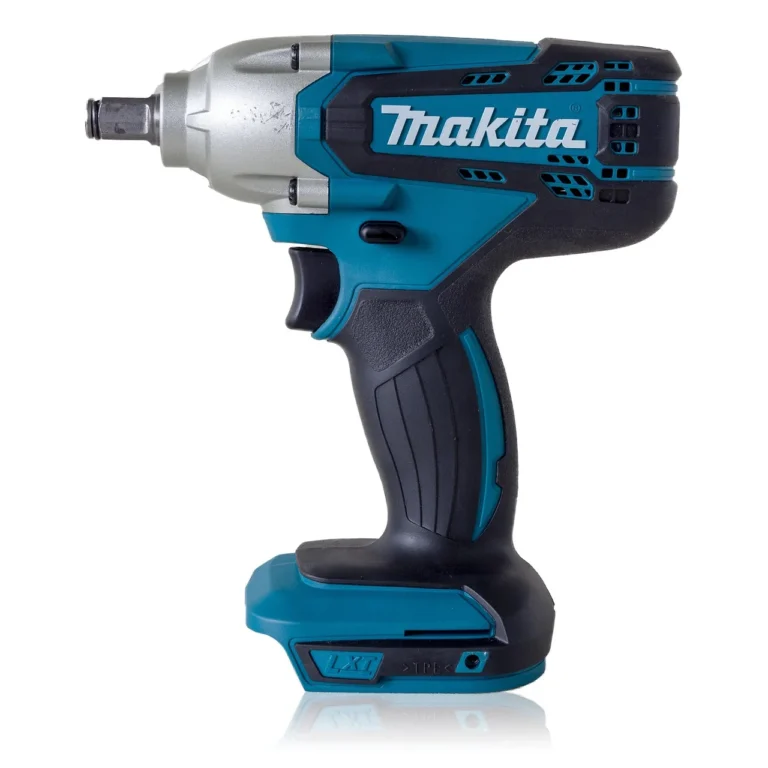
Hand-tool sockets are fine for most maintenance jobs. Impact sockets are the better choice where an impact wrench is involved or where higher torque is expected. They are made for impact tools and are built differently from standard chrome hand sockets.
How to care for a socket set
Keep sockets clean, dry, and sorted by size. A missing 10 mm socket slows more jobs than a missing large one, so organization matters.
Check that the ratchet still clicks and resets cleanly. If the square drive feels loose or the socket does not hold securely, replace the damaged piece before it slips on a fastener.
Frequently asked questions
What is a socket set used for on a car?
A socket set is used to loosen and tighten nuts and bolts on a car. It is common in vehicle maintenance, especially for battery work, brakes, trim, engine-bay fasteners, and wheel nuts. The right socket size keeps fasteners from rounding and helps the job go smoothly.
What drive size socket set do I need for car work?
For most car work, 3/8-inch drive is the best starting point. Use 1/4-inch for small fasteners and tight spaces, and 1/2-inch for larger fasteners, wheel nuts, and higher-torque jobs. If you buy only one drive size first, choose 3/8-inch.
Do I need metric or SAE sockets for a car?
Most modern and import cars use metric sockets, while some older or US-built vehicles use SAE. If you service a newer car, metric is usually the first buy. Add SAE only if your vehicle or a specific fastener calls for fractional inch sizes.
Which car jobs need a socket set?
Common jobs include battery terminal service, brake work, interior and exterior trim removal, engine-bay fasteners, alternator bolts, and wheel removal. A socket set is also useful for many general DIY repair tasks around a vehicle, especially when nuts and bolts are the main fasteners.
Can I use a socket set for wheel nuts and brakes?
Yes, but the setup changes with the job. Wheel nuts often need 1/2-inch drive, a larger socket, and sometimes a breaker bar or impact socket. Brake work often fits 3/8-inch drive, though some caliper or bracket bolts may need 1/2-inch for extra torque.