What Should You Keep in a Car Emergency Kit?

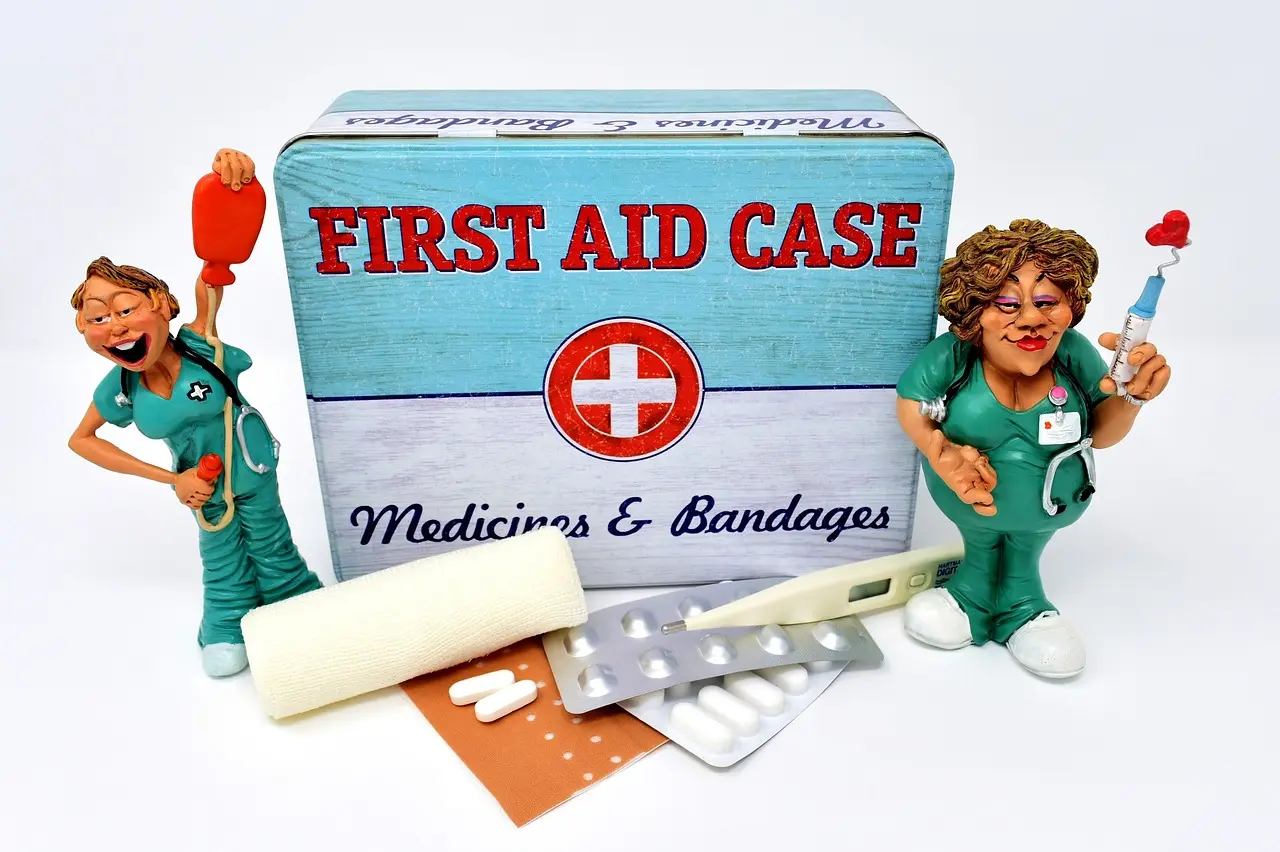
Keep a car emergency kit with water, a flashlight, jumper cables or a jump starter, tire repair tools, a first-aid kit, a phone charger, a reflective triangle, blankets, basic food, gloves, and a traction aid like sand or cat litter. Add winter gear in cold months and summer gear in hot ones. A thin kit can turn a minor breakdown into a long roadside wait, a dead battery, or a safety risk in bad weather. This guide shows the core items, what is optional, what to skip, and which seasonal extras matter most.
What belongs in a car emergency kit?
Start with the items that handle the most common roadside failures: battery trouble, flat tires, injury, and long waits for help. For most drivers, that means jumper cables or a jump starter, a flashlight or lantern, a first-aid kit, gloves, a blanket, a phone charger, and some cash. Add weather-specific tools only after those basics are covered.
Year-round essentials to pack first
- Jumper cables for a dead battery.
- Flashlight or lantern for roadside visibility after dark.
- First-aid kit with bandages, dressings, and pain relief.
- Gloves for dirty, sharp, or cold roadside work.
- Blanket for waiting in cold weather.
- Phone charger and cable for communication and navigation backup.
- Cash in small denominations for tolls, fuel, or payment outages.
What can wait until you need it?
Some items help, but they do not fit every driver or every climate. A tire repair kit, tow strap, folding shovel, snow brush, traction boards, or extra cold-weather layers make sense if you drive in snow, rural areas, or on long trips. Consumer Reports says winter kits help with dead batteries, flat tires, and getting stuck in snow.
How to size the kit for your vehicle
Under-seat storage works for compact items such as a first-aid kit, charger, flashlight, gloves, and cash. Trunk storage fits bulkier gear like jumper cables, a blanket, a shovel, and a tow strap. If you carry a preassembled kit, check whether it leaves room for a power bank, spare batteries, and winter gear you may still need.
📊 Consumer Reports says preassembled winter kits can cost about $60 to $125 or more. Source: Consumerreports.
Car emergency kit decision table
Use this table to match the kit to the failure you are most likely to face first. It separates minimum items from optional upgrades, so you are not carrying heavy gear that does not fit your driving pattern.
| Roadside failure | Minimum kit items | Optional upgrades | What each item solves |
|---|---|---|---|
| Dead battery | Jumper cables or portable jump starter, flashlight, gloves | Jump starter with built-in air compressor, spare batteries, reflective triangle | Restarts the vehicle, lights the work area, protects hands, and marks the scene |
| Flat tire | Tire repair kit, jack if your vehicle lacks one, gloves, flashlight | Spare tire, tire inflator, wheel chocks | Buys time with a temporary fix and helps you change or move the vehicle safely |
| Snow stuck | Folding shovel, gloves, blanket, traction aid | Tire chains or traction boards, snow brush, ice scraper | Clears snow around tires and tailpipe, adds grip, and improves visibility |
| Minor injury | First-aid kit, clean dressings, pain relief, flashlight | Additional gauze, antiseptic wipes, medical tape | Covers small cuts, scrapes, sprains, and quick wound care until help arrives |
| Overnight wait | Blanket, water, phone charger, cash, flashlight | Emergency blanket, snacks, power bank, extra layers | Helps with warmth, communication, and basic comfort during a long delay |
What should you keep for battery and power problems?
For power failures, your first-line tools are jumper cables or a portable jump starter. Jumper cables depend on another vehicle. A jump starter works on its own, which helps if no one else is nearby. Keep a phone charging cable and a backup power source in the car so you can still call for help if the battery dies.
Jumper cables: clamp quality and length
Jumper cables are standard for a dead-battery start. Look for solid clamps that grip battery terminals firmly; loose clamps waste time and create poor contact. A commonly recommended cable length is about 12 to 20 feet, which can give you room to position vehicles without stretching the cables tight. Popular Mechanics notes one kit with nearly 12-foot-long cables.
Do not store cables coiled tightly around heavy tools. That can bend the copper strands and make them harder to use. Keep them near the trunk opening or top of the cargo area so they are easy to reach in the dark.
Portable jump starter: capacity and recharge method
A portable jump starter is worth the space if you drive alone, commute early, or park in places where help is not immediate. Look for a model with enough capacity for your vehicle type, plus a clear recharge method such as USB-C, wall charging, or a 12-volt vehicle charge. Combo units with an air compressor are useful if you want one tool for both battery and tire pressure problems.
Recharge the jump starter after every use and at the interval the manufacturer lists, because a dead backup tool is just dead weight. Keep its cable and clamps in the same pouch so you do not have to hunt for parts.
Phone charger and power bank backup
Carry the cable that matches your phone, not a generic cable that may not fit your device. A power bank gives you a charging fallback if the car battery is flat or if you must keep the engine off while waiting. This matters most during long delays, when you need a charged phone for maps, roadside assistance, or weather updates.
Say your battery dies in a grocery-store lot during a cold snap. A jump starter gets the car running, but a power bank keeps your phone alive while you wait for a tow or replacement battery appointment.
What should you pack for tire trouble?
A tire repair kit is generally a temporary fix, not a full substitute for a spare tire. It can help with certain punctures, but it will not solve sidewall damage, shredded rubber, or wheel damage. If your vehicle has no spare, a sealant kit and compressor are still worth carrying, but treat them as a get-you-moving option.
Tire repair kit limits
Most kits rely on a sealant or plug-style repair component. Those can stop a small puncture long enough to reach a service shop. They do not match the flexibility of a full-size spare, and some sealants can leave a mess inside the tire and wheel. Check whether your kit is meant for temporary repair only.
Replace sealant after its expiration date. If the kit includes a compressor, test it before winter trips so you know the hose, gauge, and power plug work.
Spare tire versus sealant kit
If your vehicle has a spare tire, keep the jack, lug wrench, and inflator tools with it. That setup gives you more repair options than sealant alone. If there is no spare, add a tire repair kit and a compact inflator, then learn your vehicle’s sealant instructions before you need them.
A common first-timer mistake is to buy a sealant kit and skip the compressor. That leaves you with a seal but no practical way to get the tire back to a usable pressure range.
Tow strap basics for recovery
Consumer Reports includes a tow strap under basic car safety equipment, and that is useful for pulling a stuck vehicle out of a ditch or snow bank. Choose a strap with a clear weight rating, and use it only with proper recovery points. Do not attach it to bumpers, suspension parts, or anything that can snap loose.
Keep tow gear folded neatly in a bag so it does not tangle with jumper cables or dirty tools. A weak rope is a common failure point; a rated strap is the safer choice.
What winter gear should stay in the car?
Winter gear belongs in the car if you drive in snow, ice, or freezing temperatures. The priority is simple: clear snow, free the vehicle, stay warm, and keep visibility high. The same source recommends a portable shovel for clearing space around a tailpipe, and it notes that some winter kits include gloves, a blanket, a poncho, wipes, and rags.
Folding shovel and snow extraction
A folding shovel helps dig around tires, packed snow under the chassis, and the area around the tailpipe. A compact or collapsible design stores more easily in a trunk than a full-size shovel. The same source says tire chains or traction boards can help in heavy snow, so drivers in severe winter areas may want one of those upgrades.
Use the shovel to clear a path, not to force the vehicle free with the engine racing. If the tailpipe is blocked, clear it before running the engine.
Ice scraper and snow brush
An ice scraper and snow brush are visibility tools first. You need them to clear the windshield, side windows, mirrors, lights, hood, and roof. Clear all snow before driving, because loose snow can blow off and hit following traffic, and snow left on the roof can slide forward while braking.
A combo brush/scraper is usually the best fit for most drivers because it takes less room than two separate tools. Keep it near the door or trunk opening so you do not have to dig for it in a storm.
Blanket, gloves, and cold-weather layers
A blanket buys time during a vehicle waiting period. A winter blanket or emergency blanket uses less space than a thick throw and is easier to store under a seat. Gloves protect your hands during tire work, snow clearing, and cable hookups, and insulated gloves are better when temperatures stay low for long stretches.
Use cold-weather layers as a supplement, not a replacement for a working heater. If the car stops running, warmth shifts from comfort to safety very quickly.
How should you build the safety and first-aid side?
Build this side of the kit around visibility, basic wound care, and small items that keep you functioning while you wait. A flashlight or lantern, a compact first-aid kit, and cash belong here. These are easy to forget because they do not start the car or move the tire, but they matter as soon as the stop gets longer than expected.
Flashlight or lantern with spare batteries
A battery-powered flashlight is usually the simplest choice for roadside work. A lantern gives broader light if you need both hands free while checking a tire or reading a fuse panel. Keep spare batteries with the light, because a dead flashlight is no help at night or in a tunnel.
Store the light where you can reach it from the driver seat or with one door open. That makes it easier to find before you step into traffic.
First aid kit contents
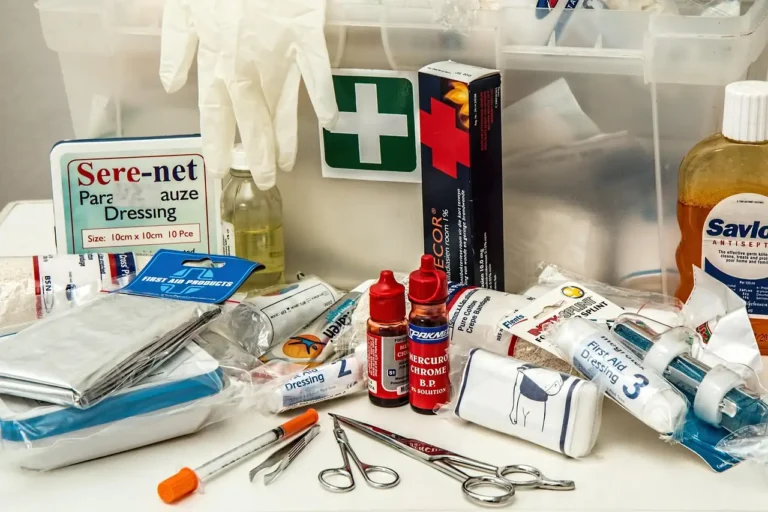
A car first-aid kit should cover bandages, gauze or other dressings, tape, antiseptic wipes, and compact over-the-counter pain relief storage. The same source notes that some first-aid kits include aspirin, acetaminophen, and ibuprofen, and that some kits can include over 200 bandages. Keep the kit compact so it fits in a door pocket, center console, or under-seat bin.
Check expiration dates on pain relievers and replace any opened packages. After using sterile dressings, restock them right away so the kit is complete again.
Cash and small-space storage
Keep a small amount of cash in low denominations. It helps with tolls, fuel, parking, vending machines, and payment outages when cards or mobile wallets fail. Store it in a sealed envelope or small pouch inside the kit, not loose in the trunk where it can scatter.
Think of the cash as contingency money, not spending money. It is there for the rare roadside moment when digital payment is not available.
How do different drivers adjust the kit?
Commuters can usually keep a compact kit focused on power, visibility, and first aid. Rural drivers should add recovery gear, a stronger flashlight, and more water because help may be farther away. Rideshare drivers benefit from a tidy, accessible setup with charger cables, a first-aid kit, and a blanket for passengers. Winter-belt drivers should prioritize shovel, scraper, traction aids, gloves, and an emergency blanket.
- Pack the year-round essentials first.
- Add climate gear for the months you actually drive in.
- Place heavy items low and near the trunk edge.
- Keep small items in one pouch or box.
- Replace expired, drained, or used supplies right away.
Preassembled winter kits can cost about $60 to $125 or more, according to Consumer Reports. That can be a good shortcut if you want the basics fast, but many packaged kits still need additions such as a power bank, extra batteries, or better cold-weather gear.
Walmart lists roadside emergency kits in a broad shopping category, which is a reminder to check what is actually inside before you buy. A kit is only useful if it matches the failures you expect.
Frequently asked questions
What should you keep in a car emergency kit?
Keep the items that solve the most likely roadside problems first: jumper cables or a jump starter, a flashlight, a first-aid kit, gloves, a blanket, a phone charger, cash, and tire tools. Add a tow strap, shovel, scraper, and traction aid if your driving conditions make them useful.
What should you have in a roadside emergency kit?
A roadside kit should cover power loss, tire trouble, minor injury, and waiting safely for help. That means a light, power backup, first aid, gloves, a blanket, charging cables, and either a tire repair kit or spare tire gear. Winter drivers should add snow tools and traction items.
What do you put in a car emergency kit?
Put in the items you are most likely to need before help arrives. The core set is jumper cables or a jump starter, flashlight, first-aid kit, gloves, blanket, charger, and cash. Then add seasonal gear such as a folding shovel, ice scraper, snow brush, or traction boards if winter driving is part of your routine.
What should you have in a winter car emergency kit?
A winter car kit should include a folding shovel, ice scraper, snow brush, gloves, a blanket or emergency blanket, jumper cables or a jump starter, a flashlight, traction aid, and phone charging backup. Keep it focused on getting unstuck, staying visible, and staying warm while waiting.
What to keep in your car for emergencies?
Keep compact, useful items that fit your vehicle and your climate. Under-seat storage works for a flashlight, first-aid kit, charger, cash, and gloves. Trunk storage can hold bulkier items like jumper cables, a blanket, shovel, tow strap, and water. Repack after use so nothing is missing when the next issue appears.
What should you have in a first aid kit for your car?
A car first-aid kit should contain bandages, dressings, antiseptic wipes, tape, and compact over-the-counter pain relief. Keep it small enough to store in the cabin, not buried in the trunk. Check expiration dates and replace anything opened or used so the kit stays ready.