
What Should a Basic Mechanic Tool Kit Include?

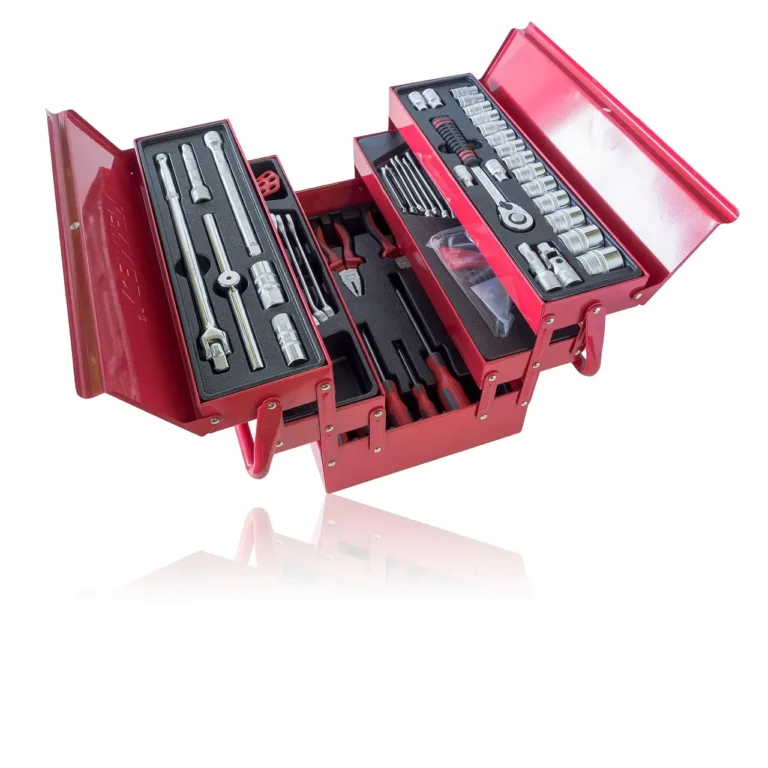
A basic mechanic tool kit should cover the first 10 common jobs with metric and SAE sockets, ratchets, wrenches, screwdrivers, pliers, a torque wrench, jack stands, and safety gear. Buy the wrong sizes or skip support gear, and you waste money, strip fasteners, and create unsafe lifts. This guide orders the essential tools by repair type and priority, then shows the fit choices and safety items that prevent beginner mistakes.
Starter and expanded tool lists
What belongs in the minimum starter kit
The minimum starter kit should solve routine service before it tries to solve everything else. That means sockets, combination wrenches, screwdrivers, pliers, a torque wrench, a floor jack, jack stands, wheel chocks, an OBD2 scanner, and basic safety gear. Core hand tools are described as supporting nearly 80% of mechanical repairs, so they belong first.
For automotive work, start with a 3/8-inch drive socket set and add a 1/2-inch drive set next. The first covers most hand-fastener work. The second handles wheel lugs and other larger fasteners. A 1/4-inch drive set is useful for small fasteners, trim pieces, and cramped access.
What belongs in the expanded kit
The expanded kit adds tools that cut struggle, not tools that sit unused. That usually means deep sockets, stubby screwdrivers, locking pliers, a circuit tester, a battery tester, and specialty tools for oil filters, brake calipers, ball joints, and serpentine belts. Add these after the core kit can already handle your first 10 repairs.
How to sort tools by repair frequency
Sort by the jobs you will actually do. Put sockets, a ratchet, and a torque wrench in the first tier. Put pliers, screwdrivers, and jack stands in the second tier. Keep diagnostic tools and specialty tools in a third tier unless a specific repair demands them right away.
- Buy the socket and wrench sizes that match the car you service most often.
- Add the lifting gear needed for wheel and brake work before you start those jobs.
- Buy the torque wrench before any fastener that has a service-manual torque spec.
- Finish with diagnostics, then specialty tools.
First 10 repairs tool map
This table turns the kit into a job list. Each row shows the repair, the exact tool types, the minimum socket or wrench sizes, and the most likely failure if the wrong tool is used.
| Repair | Exact tools required | Minimum socket or wrench sizes | Most likely failure with the wrong tool |
|---|---|---|---|
| Oil change | Socket set, oil filter wrench, drain pan, torque wrench | Common drain plug sizes vary; deep sockets help with recessed plugs | Rounded drain plug, crushed filter, or leak from overtightening |
| Battery swap | Combination wrench, ratchet, battery tester, gloves | Common terminal hardware is small; use the exact fit on clamp bolts | Stripped terminal bolt or damaged battery clamp |
| Brake pad replacement | Socket set, brake caliper tool, torque wrench, jack stands | Often 13mm, 14mm, 15mm, 17mm, or 19mm, depending on the vehicle. | Rounded caliper bolt, stuck bracket bolt, or uneven brake feel |
| Tire rotation | 1/2-inch drive socket set, floor jack, jack stands, wheel chocks | Lug nuts commonly need 19mm, 21mm, or 22mm, though some use SAE sizes. | Rounded lug nut, unsafe lift, or wheel damage from cross-threading |
| Cabin filter access | Stubby screwdriver, flathead driver, trim-safe pliers if needed | Usually small screws or clips; precision tools help with tight covers | Broken panel clip, cracked cover, or stripped small screw |
| Hose clamp work | Slip-joint pliers, needle-nose pliers, hose-clamp tool if available | Clamp size depends on hose; access matters more than raw size | Pinched hose, damaged clamp, or coolant leak from poor seating |
| Light bulb replacement | Stubby screwdriver, needle-nose pliers, work light | Small fasteners or retainers; no large socket set usually needed | Broken connector tab or scratched housing |
| Belt inspection | Flashlight, serpentine belt tool if removal is required, inspection mirror | Accessory tensioner hardware varies; belt tool may need a specific fit | Misrouted belt, damaged tensioner, or torn belt edge |
| Fuse replacement | Fuse puller, needle-nose pliers, circuit tester | Fuse type matters more than socket size | Blown replacement fuse again if the circuit fault remains |
| Suspension inspection | Floor jack, jack stands, wheel chocks, flashlight, pry bar, ball joint separator if needed | Control-arm and link hardware often ranges from 13mm to 19mm | Unsafe under-car access, missed play, or damaged joint boot |
Say your brake caliper bracket uses a 15mm bolt in a tight wheel well. A 12-point socket can slip on a partly rounded head, while a 6-point socket with the correct depth gives better bite. That small fit choice can decide whether the bolt comes out cleanly or needs recovery.
Do you need metric and SAE sockets?
Yes, if you want a kit that covers more than one vehicle family. Metric sockets fit most modern vehicles, and the guide says mechanics need metric sockets from 8mm to 19mm for most automotive repairs. SAE sockets from about 1/4 inch to 3/4 inch still still matter for older vehicles and some domestic hardware.
Why metric fits most modern vehicles
Modern cars, trucks, and crossovers usually use metric fasteners in the engine bay, underbody, and interior trim. That is why metric should be the first socket range you buy. If your vehicle fleet is newer, metric gets used far more often than SAE.
Where SAE still matters
SAE still matters on older domestic vehicles, older accessories, and certain body or chassis parts. It also appears on some older bolts that previous owners or repair shops may have mixed into the car. A basic kit without SAE can stall a simple repair when one fastener refuses the wrong fit.
Which drive sizes to buy first?
Start with 3/8-inch drive. It is the best general-purpose size for most under-hood work. Add 1/2-inch drive for lug nuts and heavier fasteners. Keep 1/4-inch drive for small interior fasteners, sensor brackets, and clips near trim.
Which hand tools should come first?
The first hand tools should match the jobs that fail most often because of poor access or poor fit. That means sockets and deep sockets, combination wrenches, screwdrivers, and pliers. Specialty tools can wait until the kit can already handle common service work without improvising.
Socket set and deep sockets
A socket set should cover metric and SAE, include common automotive sizes, and use 1/4-inch, 3/8-inch, and 1/2-inch drives. Buy both shallow and deep sockets. Deep sockets matter for engine bay bolts, especially when threaded studs or long bolts block a shallow socket from seating fully. The deep-socket range listed in the guide is 10mm to 17mm.
For a beginner, a 6-point socket is the safer first choice on stubborn fasteners. It grips more of the bolt head and lowers the chance of rounding. A 12-point socket fits more positions, but it is easier to slip on a damaged fastener.
Combination wrench set
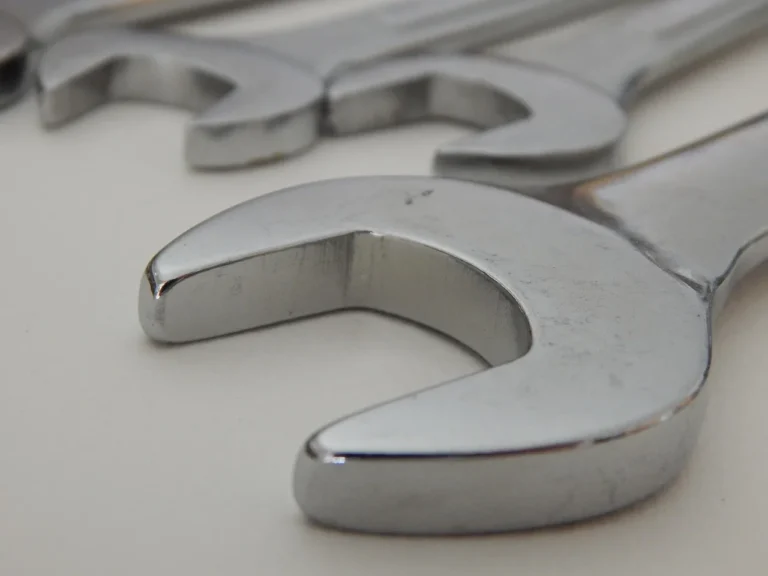
Combination wrenches should be in the first kit because they reach fasteners where a socket cannot fit. The open end helps in tight access. The box end gives more grip when the bolt can be fully captured. A slim profile matters in engine bay work, especially near brackets, sensors, and hose clamps.
The wrench section says combination wrenches are used in nearly 60% of under-hood repair tasks. That makes them a first-tier purchase, not a later add-on.
Screwdriver set and pliers set
A mechanic screwdriver set should include flathead, Phillips, Torx, and stubby drivers. Stubby drivers help when a full-length handle cannot turn. Precision drivers help on dashboard and panel fasteners that are small and easy to strip.
The pliers set should include slip-joint, locking, needle-nose, and diagonal cutting pliers. Slip-joint and needle-nose pliers handle clips, small connectors, and hose work. Locking pliers help on stuck hardware. Diagonal cutters handle wire and cable ties.
A common first-timer mistake is using pliers as a substitute for the right wrench size. The jaws bite into the flats, then the bolt head rounds. Once that happens, the repair gets slower and more expensive.
Torque wrench and lifting gear
A torque wrench belongs in a basic mechanic kit because modern vehicles rely heavily on torque specifications. It is the final tightening tool, not the first one. Use it after a part is seated and aligned, then tighten to the listed spec without guessing. Click-type and inch-pound variants both have a place, depending on the fastener.
Why final tightening needs a torque wrench
Overtightening can stretch studs, crush seals, warp brake parts, or strip threads. Undtightening can let a wheel, caliper, or bracket loosen in service. A torque wrench keeps those errors out of the last step. It matters most on wheels, brakes, spark plugs, battery terminals, and engine covers with light fasteners.
Jack, jack stands, and wheel chocks
Use a hydraulic floor jack for lifting, jack stands for support, and wheel chocks to stop movement. Do not rely on the jack alone. The guide says improper lifting equipment contributes to over 4,800 garage-related injuries annually, which makes support gear part of the first purchase list, not a later upgrade.
Safe access for wheel and brake jobs
Wheel and brake jobs need stable access before any fastener comes off. Chock the wheels that stay on the ground. Lift one corner or one axle at a time. Place the stands on solid points listed by the vehicle maker. Then verify the car is stable before reaching under it.
Diagnostic tools and safety gear
Diagnostic tools belong in a beginner kit because they prevent parts-swapping by guesswork. A basic automotive kit should have an OBD2 scanner, a circuit tester, and a battery tester. Safety gear should include gloves, goggles, steel-toe shoes, and a work light or inspection light.
OBD2 scanner, circuit tester, and battery tester
An OBD2 scanner reads fault codes and helps point you toward the failed circuit or system. A circuit tester checks for power and ground at a fuse, connector, or bulb socket. A battery tester tells you whether the battery can still hold a useful charge under load.
Suppose the dashboard shows a check-engine light after a battery swap. An OBD2 scanner can confirm whether the code is from a loose connector, a low-voltage event, or a separate fault that was already present. Without that check, you may replace the wrong part and miss the real issue.
Gloves, goggles, and steel-toe shoes
Gloves protect hands from sharp edges, hot parts, and grime. Goggles protect eyes from rust, dust, and fluid splash. Steel-toe shoes add protection when a wheel, rotor, or heavy tool drops. These items should be bought with the first lift-and-repair tools, not after the first injury risk appears.
Work light and inspection light
A work light or inspection light helps you read fastener heads, confirm socket seating, and check for leaks. That matters most in wheel wells, under the dash, and under the hood after dark or in poor shop lighting. Good light also reduces the chance of reaching for the wrong fastener.
Tool kit repair map
Use this map to place each tool where it earns its spot. The idea is simple: if a tool does not support a first repair, it does not deserve a first-buy budget slot.
- Oil change: sockets, oil filter wrench, drain pan, torque wrench
- Battery swap: combination wrench, battery tester, gloves
- Brake pads: 3/8-inch and 1/2-inch drive sockets, torque wrench, jack stands, brake caliper tool
- Tire rotation: 1/2-inch drive socket set, floor jack, jack stands, wheel chocks
- Cabin filter: stubby screwdriver, precision driver, flashlight
- Hose clamps: slip-joint pliers, needle-nose pliers
- Bulbs: stubby screwdriver, needle-nose pliers, work light
- Belt inspection: flashlight, inspection mirror, serpentine belt tool if removal is needed
- Fuses: circuit tester, needle-nose pliers
- Suspension inspection: floor jack, jack stands, wheel chocks, ball joint separator if a joint must come apart
Frequently asked questions
What should a basic mechanic tool kit include?
A basic mechanic tool kit should include metric and SAE sockets, common 1/4-inch, 3/8-inch, and 1/2-inch drives, combination wrenches, screwdrivers, pliers, a torque wrench, jack stands, wheel chocks, an OBD2 scanner, and safety gear. That covers the first service jobs and reduces the odds of stripped fasteners or unsafe lifting.
What are the essential tools for a beginner mechanic?
The essential tools are the ones that solve routine repairs without workarounds: a socket set, combination wrenches, screwdrivers, pliers, a torque wrench, a hydraulic floor jack, jack stands, wheel chocks, and basic diagnostic tools. After that, add specialty tools only when a specific repair needs them.
Do I need metric and SAE sockets for car repair?
Yes. Metric sockets cover most modern vehicles, while SAE sockets still matter for older domestic vehicles and some mixed hardware. If you skip SAE, a basic repair can stop at one stubborn fastener. If you skip metric, you will miss most current automotive fasteners.
What size socket set should I buy for automotive work?
Buy a set that covers common automotive sizes in 8mm to 19mm and includes 1/4-inch to 3/4-inch SAE coverage if you work on older vehicles. Choose 1/4-inch, 3/8-inch, and 1/2-inch drives, plus deep sockets. That combination handles the widest range of beginner repairs.
Is a torque wrench necessary in a basic mechanic kit?
Yes. A torque wrench is the final tightening tool for parts that depend on exact clamp load, including wheels, brakes, and many engine fasteners. Without it, you can overtighten, strip threads, or leave a fastener loose. A click-type torque wrench is the common starter choice.
What safety gear should be in a mechanic tool kit?
Safety gear should include gloves, goggles, steel-toe shoes, and a work light or inspection light. Add wheel chocks and jack stands for any job that raises the vehicle. If you work under a car without support gear, the risk is far higher than the price of the equipment.
What diagnostic tools should a basic auto tool kit have?
A basic auto tool kit should have an OBD2 scanner, a circuit tester, and a battery tester. Those three tools let you read fault codes, check for power and ground, and verify battery health before you replace parts. They help separate a bad component from a bad connection.
What specialty tools are worth adding after the basics?
After the basics, add an oil filter wrench, brake caliper tool, ball joint separator, and serpentine belt tool. Those tools make specific jobs easier and cleaner, but they are not the first dollar spent. Buy them when your repair list starts to include those exact jobs.