Pencil vs Dial vs Digital Tire Pressure Gauge

For most drivers, a digital gauge is the easiest to read and usually the most consistent; choose a pencil gauge only if you want the lowest cost and can accept less repeatability. A poor gauge choice can leave tires underinflated or overinflated, which hurts wear, braking, and fuel economy. This guide compares pencil, dial, and digital gauges by accuracy, readability, battery dependence, durability, and price.
| Factor | pencil | dial | digital | Winner |
|---|---|---|---|---|
| Readability | Small scale, harder to read | Large face, clear needle | Numeric display, easiest to scan | digital |
| Battery dependence | No battery | No battery | Needs battery replacement | pencil and dial |
| Typical cost | Less than $10 | $25 to $100 | $7 to $30 | pencil |
| Storage size | Small and compact | Bigger body and face | Usually compact, but larger than a stick | pencil |
| Best fit for low light | Poor | Fair | Backlit or illuminated display | digital |
| Failure mode to watch | Hard-to-read scale, finicky seal | Parallax and pointer reading errors | Dead battery or dim screen | depends on conditions |
How each gauge type works and fails
The real trade-off is not display style alone. It is how each gauge can fail in daily use: a pencil gauge can be cheap but awkward to read, a dial gauge can be clear but physically larger, and a digital gauge can be easiest to read while depending on battery health. Accuracy varies by model, not by display style alone.
Stick, dial, and digital basics
The three common styles are stick, dial, and digital. Stick gauges are the cheapest type and can be found for less than $10, but they can be hard to read and finicky to use. Dial gauges typically cost from $25 to $100 and are described as easy to use, precise, and clear. Digital gauges run from $7 to $30 and are generally very accurate and easy to read.
That price spread matters because a gauge that looks easy to read still has to seal well on the valve stem, fit your storage space, and survive the conditions you face. A gauge that feels awkward in a dim garage or cramped wheel well can create more user error than its packaging suggests.
| Type | What it does well | What can go wrong | Typical buyer fit |
|---|---|---|---|
| pencil | Cheap, compact, no battery | Harder to read, finicky seal, low repeatability if used carelessly | Glove-box backup, tight budget |
| dial | Clear face, no battery, good midrange choice | Parallax errors, larger size | Drivers who want battery-free clarity |
| digital | Fast to read, illuminated screen, good in low light | Battery replacement, screen dependence | Daily use, night checks, easy reading |
📊 Consumer Reports tested 17 stick, dial, and digital tire pressure gauges for accuracy. Source: Consumerreports.
Which tire gauge is most accurate?
Accuracy depends more on the individual gauge than on the display style. Consumer Reports tested 17 stick, dial, and digital tire pressure gauges for accuracy, and the better question is whether the gauge lists a real accuracy spec. ANSI B40.7 is one place to look, and a grade such as 2A gives a published tolerance for comparison.
What ANSI B40.7 tells you
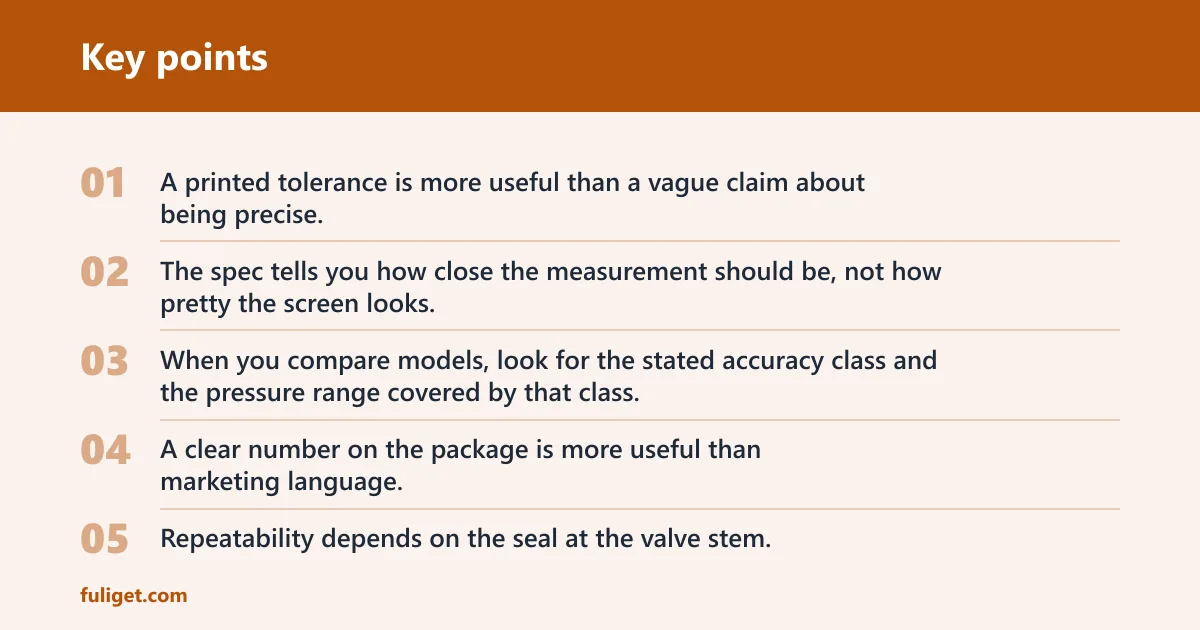
A printed tolerance is more useful than a vague claim about being precise. Display resolution is separate from measurement tolerance: a digital gauge may show tenths while still being off by more than that, and a dial gauge may have a wide, easy-to-read face without having a better tolerance than a compact stick gauge. The spec tells you how close the measurement should be, not how pretty the screen looks.
When you compare models, look for the stated accuracy class and the pressure range covered by that class. A clear number on the package is more useful than marketing language. If the gauge does not list a tolerance, you have less to compare across models and more chance of buying on appearance alone.
Why valve stem seal quality matters
Repeatability depends on the seal at the valve stem. If the chuck leaks while you are taking a reading, the gauge can lose a little air or fail to stabilize cleanly, and the result can shift from one try to the next. That issue can affect any style, but a finicky stick gauge is often the first to expose it.
Say your sedan calls for 35 psi at the door placard and your gauge reads 33, then 35, then 34 on three tries. The gauge may not be the only issue. A poor seal on the valve stem can create spread in the readings, so press squarely and hold until the reading settles.
Which gauge is easiest to read?
Digital gauges are the easiest to read because they show the pressure as numbers on a screen, and many models add a backlit or illuminated display for low light. Dial gauges come next because the face is larger than a stick gauge and the needle is generally easy to follow. Pencil gauges are the hardest to read because the scale is small and the reading can be finicky.
Night use and low light
If you check pressure in a dark driveway or on the roadside, a lit digital display has the clearest advantage. You do not have to guess where a needle sits or line up a tiny stick mark with your eye. That is why night use is one of the strongest reasons to pick digital over the other two.
A dial gauge can still work well if the face is large enough and the markings are clear. A pencil gauge can be adequate in daylight, but the small scale makes it slower to confirm a number, especially when you are trying to work fast.
Parallax and face size on dial gauges
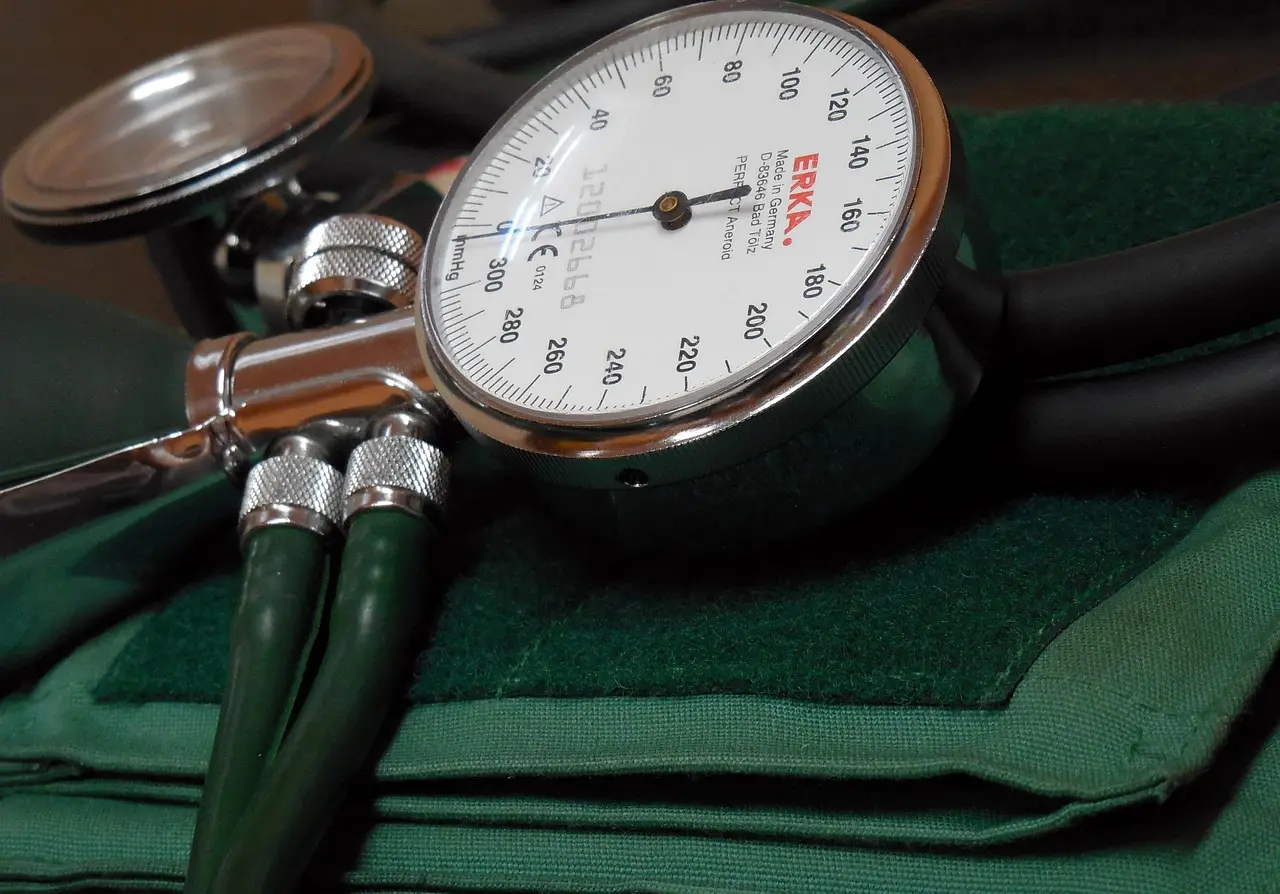
Dial gauges avoid the tiny stick scale, but they can still mislead you if you view the needle at an angle. That visual offset is a parallax problem. It is easy to reduce by looking straight at the face and making sure the pointer has settled before you record the reading.
Dial gauges are often a good middle ground for drivers who want battery-free use without the cramped scale of a stick gauge. The larger face is the reason many people find them easier to trust at a glance.
How do cold tires and weather affect readings?
Check tire pressure when tires are cold, after sitting parked for 3 hours or more, because heat from driving raises pressure and can hide an underinflated tire. Use the pressure information placard on the driver’s doorjamb, not the tire sidewall maximum. Pressure should be checked monthly, and it is especially important in fall and winter because pressure can lower in cooler weather. (Consumerreports)
Winter use and temperature drop
Cold air changes pressure enough to matter. A tire that looked fine on a warmer day can read lower after an overnight drop in temperature, so a winter check may need more attention than a summer check. That is one reason a clear, fast-reading gauge is helpful when conditions are cold and inconvenient.
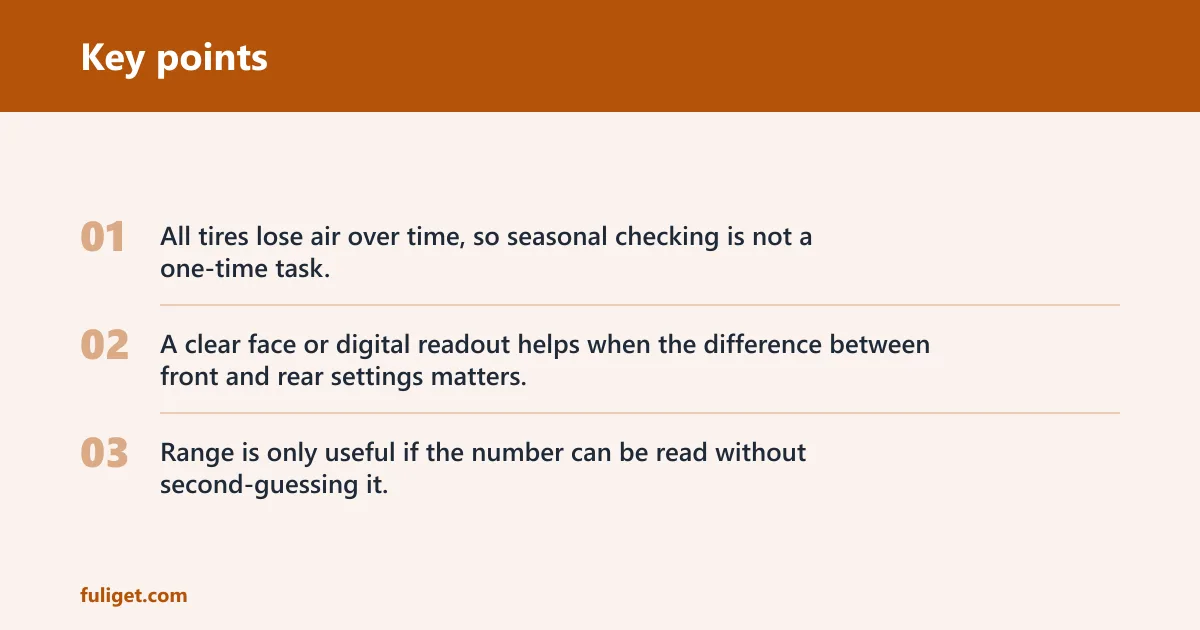
All tires lose air over time, so seasonal checking is not a one-time task. A gauge that is easy to read and easy to trust makes it more likely that you will spot a slow loss before it becomes a handling or wear problem.
Truck and RV range considerations
Heavier vehicles often run a wider pressure range, so the gauge has to stay readable across more than one target pressure. For truck and RV owners, the right fit is usually the one that is easiest to read in the range you actually use, not the one with the fanciest display. A clear face or digital readout helps when the difference between front and rear settings matters.
For those vehicles, a gauge with a readable display and solid valve contact is more useful than a tiny, hard-to-read stick. Range is only useful if the number can be read without second-guessing it.
Tire gauge decision matrix
Use this matrix as a quick filter. Match your main use case first, then check the note on what to avoid. The winner changes with the condition, because the best gauge for a low-light garage is not always the best gauge for a glove box or a rough work truck.
| Buying situation | pencil | dial | digital | Recommendation | Best fit / avoid if |
|---|---|---|---|---|---|
| Night use | Poor | Fair | Best | digital | Best fit: dim garages and roadside checks. Avoid if you want no battery maintenance. |
| Glove-box backup | Best | Fair | Good | pencil | Best fit: compact emergency use. Avoid if you want the easiest reading. |
| Low-pressure precision | Fair | Best | Best | dial or digital | Best fit: careful setting on performance tires. Avoid pencil if the scale is hard to read. |
| Truck/RV range | Fair | Best | Best | dial or digital | Best fit: larger, clearer numbers. Avoid tiny stick markings if you check often. |
| Battery-free preference | Best | Best | Poor | pencil or dial | Best fit: no battery upkeep. Avoid digital if you do not want replacement cells. |
| Drop resistance | Good | Good | Fair | pencil or dial | Best fit: rough handling. Avoid digital if the screen or battery door is fragile. |
| Budget | Best | Poor | Good | pencil | Best fit: lowest entry cost. Avoid if you need fast reading in the dark. |
| Winter use | Fair | Good | Best | digital | Best fit: cold, dark, frequent checks. Avoid if battery upkeep bothers you. |
| Speed of reading | Fair | Good | Best | digital | Best fit: quick checks before driving. Avoid if you need a no-battery tool. |
| Long-term ownership cost | Good | Good | Fair | pencil or dial | Best fit: fewer upkeep items over time. Avoid digital if battery replacement is a burden. |
How to use the matrix
-
Pick your main situation. Start with the row that matches your most common use, such as night checks, glove-box storage, or winter commuting. That keeps you from buying for a feature you rarely need.
-
Check the failure mode. Read the “avoid if” note before you buy. A gauge can look accurate on paper and still be annoying if it is hard to see, hard to store, or dependent on a fresh battery.
-
Match it to your tire routine. If you check monthly and want speed, digital is often the cleanest choice. If you want a spare tool that lives in the glove box and costs very little, pencil is the more practical backup.
Choose pencil, dial, or digital if…
Choose pencil if…
Choose pencil if you want the cheapest option, need something small for glove-box storage, or want a battery-free backup that can sit in the car without upkeep. It works best when low cost matters more than quick reading or night use. Avoid it if you dislike tiny scales or want the easiest check in dim light.
Choose dial if…
Choose dial if you want a battery-free gauge with a clearer face than a stick gauge and do not mind a larger tool. It fits drivers who value readable numbers and a mechanical feel. Avoid it if your main priority is the fastest readout in low light, because digital is easier there.
Choose digital if…
Choose digital if you want the fastest readout, the clearest display, and the easiest night-time check. It is also a strong pick if you want fewer reading mistakes and do not mind periodic battery replacement. Avoid it if you want a gauge that can sit untouched for long periods without any maintenance.
Frequently asked questions
Digital tire pressure gauge vs analog
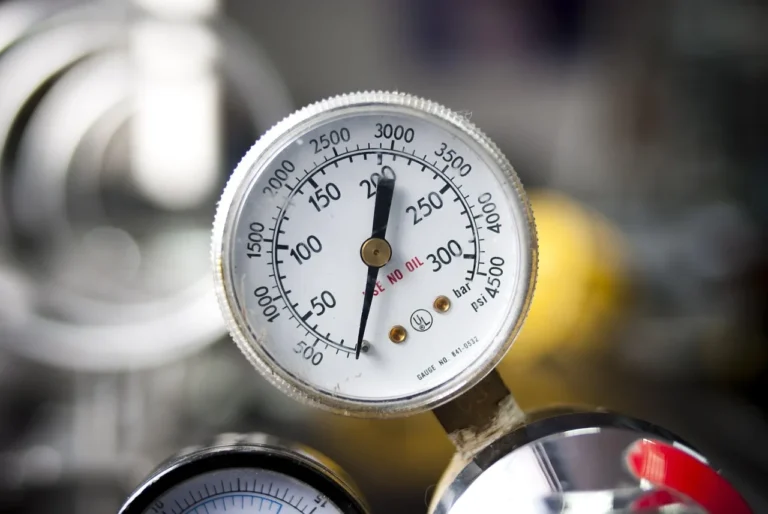
Digital gauges show a numeric reading on a screen, while analog gauges usually mean a dial face with a needle. Digital is easier to read at a glance, especially in low light. Analog avoids battery dependence and can be very clear, but reading the needle at an angle can introduce error.
Which is more accurate, pencil, dial, or digital tire pressure gauge?
None of the three wins by type alone. Accuracy depends on the specific model, its stated tolerance, and how well it seals on the valve stem. ANSI B40.7 and a listed grade such as 2A are more useful than assuming one display style is automatically better.
Is a pencil tire pressure gauge accurate enough for daily use?
It can be, if the model is decent and you use it carefully, but it is the least forgiving style. The scale is harder to read and the tool can feel finicky at the valve stem. For daily use, many drivers find dial or digital easier to trust and faster to read.
Do dial tire pressure gauges need batteries?
No. Dial gauges are mechanical and do not need batteries. That is a major reason some drivers prefer them for glove-box storage or long-term backup use. The trade-off is size and the need to read the needle carefully, especially if the face is small or viewed at an angle.
What tire pressure gauge is easiest to read at night?
Digital is the easiest to read at night, especially if it has a backlit or illuminated display. A dial gauge can still work well if the face is large and clear. A pencil gauge is the least friendly in the dark because the markings are small and harder to confirm quickly.
How do temperature and cold weather affect tire gauge readings?
Cold weather lowers tire pressure, so a tire that was set correctly on a warm day may read low later. Check tires when they are cold, after sitting parked for 3 hours or more, and use the driver-side doorjamb placard as the target. Winter checks matter because all tires lose air over time.
What accuracy specs should I look for in a tire pressure gauge?
Look for a published accuracy spec, not just a claim about precision. ANSI B40.7 is a useful reference, and a grade such as 2A gives you a real tolerance to compare across models. Also check the pressure range and make sure the gauge seals cleanly on the valve stem.