What Is an Air Compressor Used for in a Home Garage?

A home-garage air compressor handles high-air-demand jobs such as inflating tires, blowing dust, and running nailers or impact tools. For brief, low-air tasks, a tire inflator or cordless tool is usually the better fit. Using the wrong tool burns time, can leave fasteners underdriven, and may leave tires or parts under serviced. This guide sorts garage jobs by compressor need and points to smaller alternatives where they make more sense.
What compressed air does in a garage
An air compressor stores compressed air in a tank and sends it through a hose for inflation and pneumatic tools. In a garage, that usually means tire service, clearing debris from tight spaces, and powering tools that need quick bursts of air rather than electrical torque.
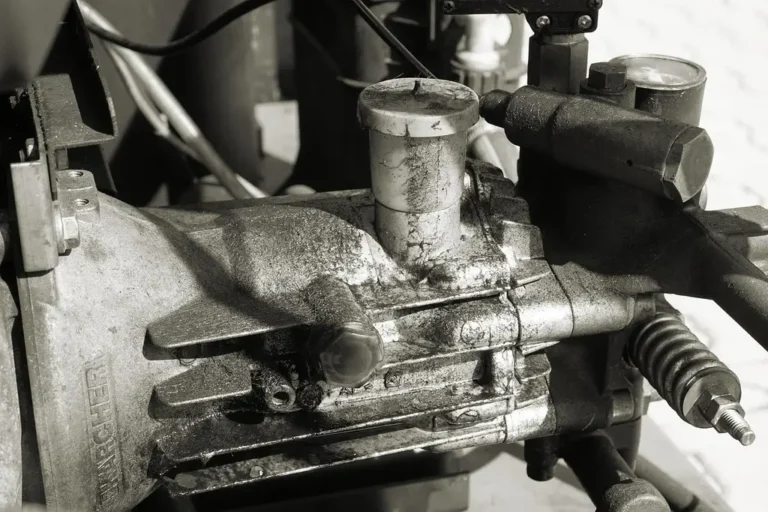
Most garage units are electric. They come as portable pancake compressors or larger stationary models. Consumer machines often list maximum pressure in roughly the 150 to 175 PSI range, but that number alone does not tell you whether a tool will run well. Airflow matters just as much.
PSI, CFM, and tank size
PSI is pressure. CFM is airflow at a stated pressure, and that is what keeps a tool running once it starts using air. Tank size is stored air capacity. A larger tank can let a tool run longer between compressor cycles, but it does not fix low airflow by itself.
That difference matters. A compressor with high PSI but weak CFM may fill tires fine and still struggle with an impact wrench or spray gun. A compressor with a modest tank but enough CFM can outperform a bigger-tank unit that cannot refill fast enough.
Portable and stationary formats
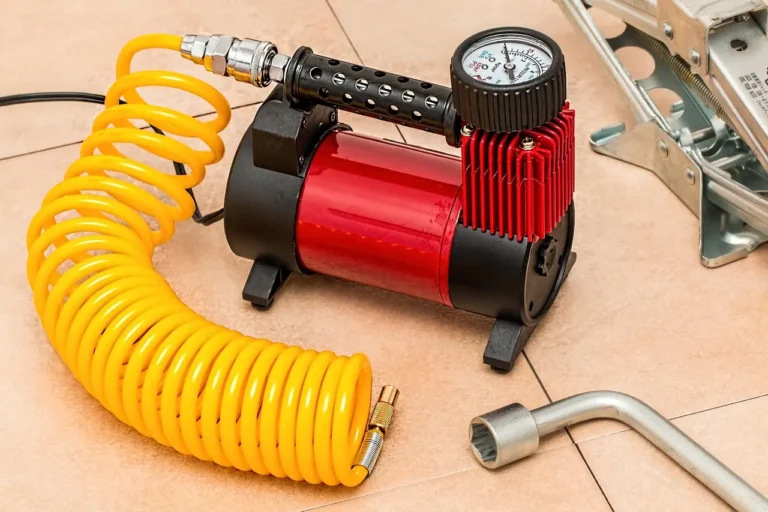
A portable or pancake compressor fits a crowded garage and is easy to move around the driveway. A small portable unit often uses an oil-free pump, which keeps maintenance low. Larger stationary units may use an oil-lubricated pump, a 110-volt or 240-volt electric motor, and a bigger tank for longer runtime.
Examples help set expectations. A 10 liter tank is compact and better for short bursts. A 30-gallon tank gives much more reserve for repetitive work. A larger tank unit is generally aimed at sustained tool use, not occasional tire top-offs.
Home garage task matrix
This matrix maps common garage jobs to the lowest compressor capacity that usually makes sense. It separates quick inflation and cleaning from tool work that needs real airflow. The “small pancake compressor” column gives a fast yes-or-no check many buyers need first.
| Job type | Minimum practical PSI | Estimated CFM need | Recommended tank class | Noise sensitivity | Small pancake compressor enough? | Not enough compressor warning signs |
|---|---|---|---|---|---|---|
| Tires | 35-45 PSI for passenger tires | Low, intermittent | 10 liters to 6 gallons | Moderate; short run time matters more than silence | Yes | Slow inflation, constant cycling on multiple tires |
| Blow-off and dusting | 30-90 PSI | Low to moderate, depending on nozzle use | 5.4 to 6 gallons | High in attached garages | Yes | Air pressure drops quickly during longer cleaning passes |
| Brad nailing | 70-90 PSI | Low | 6 gallons | Moderate | Yes | Delayed recovery after repeated fastening |
| Finish nailing | 70-90 PSI | Low to moderate | 6 to 30 gallons | Moderate | Usually, for light trim work | Gun slows after a short burst of repeated nails |
| Impact wrench use | 90-120 PSI | Moderate to high | 30 gallons or more | Lower if work is brief; higher if cycles are constant | No, for routine automotive work | Tool loses torque, compressor runs almost nonstop |
| Air ratcheting | 90-110 PSI | Moderate | 30 gallons or more | Moderate | Only for very short use | Frequent pauses, weak speed, long recovery times |
| Occasional spray work | 20-40 PSI at the gun, depending on the sprayer | High and steady | 30 to 60 gallons | High | No | Uneven spray pattern, pressure swings, runs out of air mid-pass |
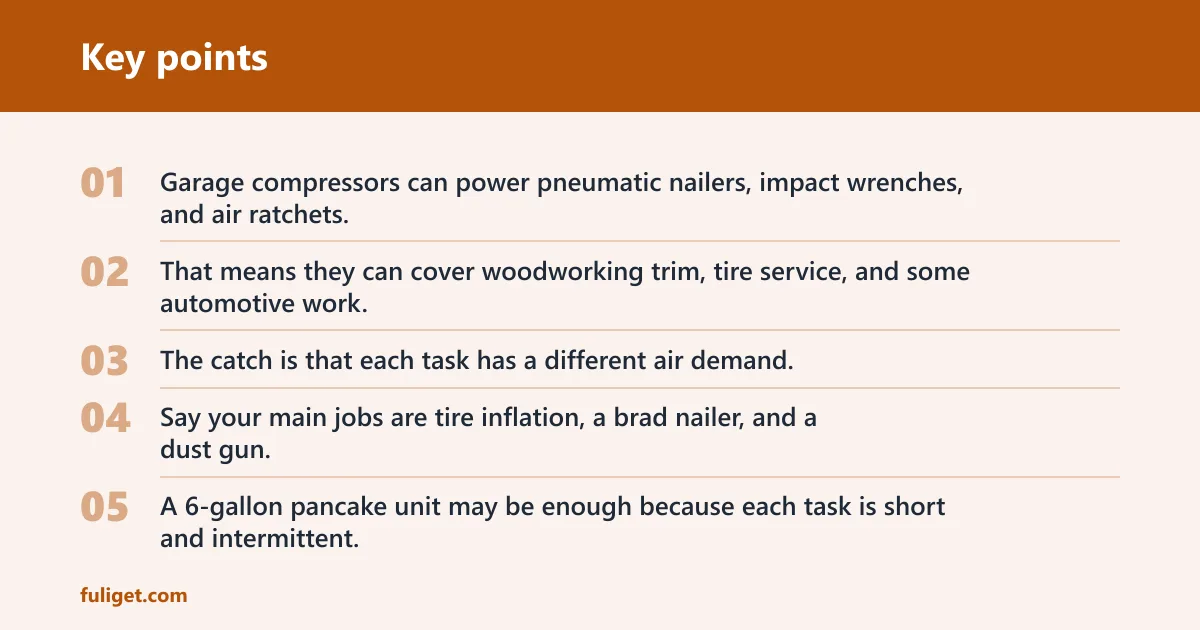
Garage compressors can power pneumatic nailers, impact wrenches, and air ratchets. That means they can cover woodworking trim, tire service, and some automotive work. The catch is that each task has a different air demand, so one compressor only handles all three if its airflow matches the hardest job.
Say your main jobs are tire inflation, a brad nailer, and a dust gun. A 6-gallon pancake unit may be enough because each task is short and intermittent. Add an impact wrench for suspension work, and the same compressor will start cycling constantly and may not keep up during repeated lug removal.
Can a small compressor handle garage jobs?
A small compressor can handle light garage jobs well, especially tire inflation, dusting, and brad nailing. It becomes a poor fit when the tool needs steady airflow for more than a few bursts. At that point, recovery time matters as much as tank size.
What a pancake compressor does well
A pancake compressor is built for portability and short duty cycles. The Bostitch pancake compressor has a 6-gallon tank, delivers 2.6 CFM at 90 psi, reaches 150 PSI maximum, and is described as ultra-quiet at 78.5 dBA. Those figures fit light DIY use, not sustained pneumatic work.
That kind of unit is a solid match for inflation, cleaning, and small nailers. It is also easier to store in a tight garage than a large stationary machine. If your work happens in short bursts, the smaller footprint can matter more than raw output.
Where small tanks run out of air
Small tanks run out of reserve when the tool draws air faster than the compressor can refill it. The result is constant cycling, slower tool response, and a pressure drop while you are still working. That failure mode is common with impact wrenches, air ratchets, and spray tools.
Suppose you are removing several wheels in a row with an air ratchet. A small compressor may start well on the first fastener, then slow down by the third or fourth because the tank cannot recover fast enough between bursts.
What size compressor do you need?
For occasional DIY use, start with the task, not the tank. A compressor in the roughly 5 to 6-gallon range is often enough for tires, dusting, and light nailers. If you want impact wrench use, more frequent ratcheting, or any spray work, move into the 30-gallon to 60-gallon range and watch CFM closely.
Choosing tank size for light DIY use
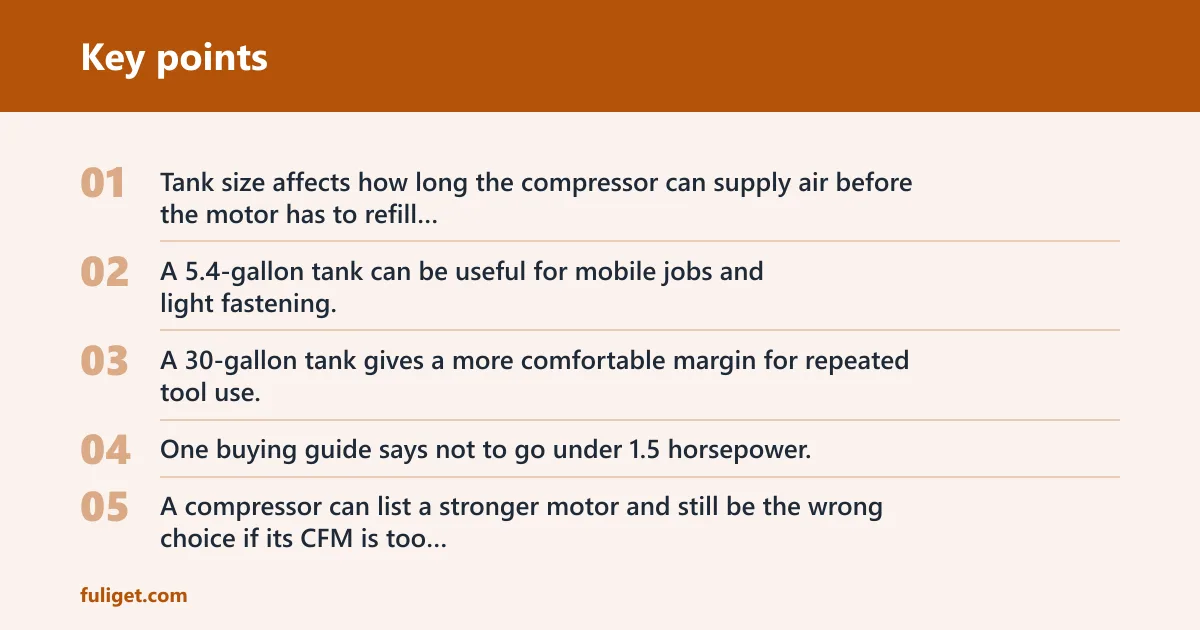
Tank size affects how long the compressor can supply air before the motor has to refill it. A 5.4-gallon tank can be useful for mobile jobs and light fastening. A 6-gallon tank is a common homeowner size. A 30-gallon tank gives a more comfortable margin for repeated tool use, and a 60-gallon unit is better for longer sessions.
Not to go under 1.5 horsepower, but horsepower should not be the main filter. A compressor can list a stronger motor and still be the wrong choice if its CFM is too low for the tool you plan to use.
Picking PSI and CFM for tool type
PSI tells you whether the compressor can reach the pressure a tool wants. CFM tells you whether it can keep feeding that tool. CFM is the better sizing number for garage buyers because it matches the tool’s air draw to the compressor’s output.
The Makita MAC5200 produces 6.5 CFM at 90 PSI, uses a 3HP motor, has a 5.4-gallon air tank, two hose ports, and an oil-lubricated pump. Those specs point to more serious garage use than a basic pancake unit, even though it is still portable enough for many home shops.
When 110-volt is enough and when 240-volt helps
A 110-volt compressor is usually enough for light DIY, inflation, and finish nailing. Once you move toward larger tanks and steadier airflow for automotive or spray work, a 240-volt stationary compressor can be a better fit because it is built for longer sessions and faster recovery.
Electric compressors are favored for enclosed garages because they are quieter than many fuel-powered options. That matters if the garage is attached to living space, or if the compressor will run while other work is happening nearby.
Do I need a quiet compressor for an attached garage?
If the garage is attached, quiet operation should be part of the purchase decision, not a bonus. Short jobs still make noise, but a loud compressor can be unpleasant during repeated cycling. Look for electric units with lower dBA ratings and enough CFM to finish the job without constant restart cycles.
What to look for in noise ratings
The Bostitch pancake compressor is described as ultra-quiet at 78.5 dBA. That gives a useful reference point for small units. Lower noise generally helps in an attached garage, but you still need enough airflow. A quiet compressor that is too small can end up running more often and becoming annoying anyway.
That is why attached-garage buyers should balance sound with output. A larger compressor that finishes a task quickly may be a better experience than a tiny quiet unit that never stops cycling.
Portable storage vs. fixed installation
Portable units are easier to store in a crowded garage and easier to move outside for dusty work. Stationary compressors suit a dedicated workspace where you want higher output, less clutter, and fewer setup changes. If space is tight, portability can matter as much as PSI.
Oil-free pumps usually win for low-maintenance storage. Oil-lubricated pumps are heavier and need oil changes, but they often run cooler and are better suited to longer sessions.
Is an oil-free compressor better for a home garage?
Oil-free compressors are often the better home-garage choice when convenience matters most. They need less routine maintenance and fit light to moderate use well. Oil-lubricated compressors are a better fit when you want cooler running and longer runtime, and you are willing to handle oil changes.
Maintenance differences
An oil-free pump reduces upkeep. That makes sense for a compressor that may sit unused for stretches and then get pulled out for tires or nailers. An oil-lubricated pump requires more attention, but that design is common in larger compressors meant for repeated use.
The Makita MAC5200 is described as an oil-lubricated pump. That lines up with its higher-output profile. By contrast, many small portable garage compressors use oil-free pumps to keep maintenance simple.
Heat, durability, and runtime tradeoffs
Oil-lubricated compressors usually run cooler than similarly sized oil-free units. Cooler operation can help during longer duty cycles. Oil-free units tend to be easier to own, but they are often aimed at shorter jobs and may feel strained when pushed into continuous use.
A common first-timer mistake is choosing a small, oil-free unit for impact wrench work because the tank looks large enough. The tank fills fast at first, then the tool slows down because the compressor cannot maintain the needed airflow.
Air compressor garage task matrix
This matrix gives a quick check on task severity. Use it to decide whether you need a compressor, a tire inflator, or a larger stationary unit. The main question is not whether air can do the job. It is whether the compressor can do it without constant recovery delays.
- Match the tool to the task, not the other way around.
- Check the tool’s PSI requirement first.
- Check the CFM need at that pressure next.
- Choose a tank that supports the work interval you expect.
- For attached garages, set noise tolerance before you buy.
Job-by-job decision points
| Garage task | Minimum practical PSI | Estimated CFM need | Recommended tank class | Noise sensitivity | Small pancake compressor enough? | Not enough compressor warning signs |
|---|---|---|---|---|---|---|
| Tire inflation | 35-45 PSI | Low | 10 liters to 6 gallons | Moderate | Yes | Compressor runs continuously across several tires |
| Blow-off and dusting | 30-90 PSI | Low to moderate | 5.4 to 6 gallons | High in attached garages | Yes | Weak blast, short bursts only, frequent refills |
| Brad nailing | 70-90 PSI | Low | 6 gallons | Moderate | Yes | Nail placement slows as pressure falls |
| Finish nailing | 70-90 PSI | Low to moderate | 6 to 30 gallons | Moderate | Sometimes | Too much lag between nails during trim runs |
| Impact wrench use | 90-120 PSI | Moderate to high | 30 gallons or more | Lower if brief; higher if repeated | No | Torque fades, tank pressure falls fast |
| Air ratcheting | 90-110 PSI | Moderate | 30 gallons or more | Moderate | Only for short bursts | Runs out of air before the job is done |
| Occasional spray work | 20-40 PSI at the gun | High and steady | 30 to 60 gallons | High | No | Spray pattern changes, pressure falls mid-pass |
F1-F14 style buying advice often stops at brand names and tank size. That misses the real decision: whether your garage work is intermittent or sustained. For intermittent jobs, a 6-gallon unit can be enough. For sustained tool work, the compressor has to refill fast enough to avoid a stalled task.
Frequently asked questions
What do you actually use an air compressor for in a home garage?
You use it for tire inflation, dusting, brad and finish nailing, and some automotive tools like impact wrenches and air ratchets. It also helps with occasional spray work, though that usually needs a larger compressor than light DIY tasks do.
Can a small compressor handle tire inflation and blow-off jobs?
Yes. A small portable or pancake compressor is usually enough for tires and blow-off work. Those jobs are short and intermittent, so a 5.4-gallon or 6-gallon tank can be practical even if the compressor is not suited to heavier tools.
What size compressor do I need for nailers and impact wrenches?
Brad nailers and many finish nailers can work from a small compressor, especially if the work is occasional. An impact wrench needs much more airflow, so a 30-gallon class unit is a better starting point for automotive use. CFM should drive the choice.
How much tank size do I need for occasional DIY use?
For occasional DIY use, a 5.4-gallon or 6-gallon tank is often enough for inflation, dusting, and light nailers. Move to 30 gallons if you want longer tool runtime, and 60 gallons if you expect repeated air-tool use or spray work.
What PSI and CFM matter most for garage tools?
Both matter, but CFM is the better tool-matching number. PSI tells you the top pressure available, while CFM tells you whether the compressor can keep supplying air at working pressure. A high-PSI compressor can still be too weak if the CFM is low.
Can one compressor power multiple garage tasks?
Yes, if its output matches the hardest task in your list. A single compressor can handle tires, blow-off, and nailers with little trouble, but impact wrench use and spray work usually push you into a larger tank and higher CFM class.
What tasks are too demanding for a small portable compressor?
Frequent impact wrench use, air ratcheting over several fasteners, and most spray work are too demanding for a small portable compressor. If the unit cycles constantly, loses pressure during the task, or takes too long to recover, it is undersized for that job.