
What Is a Tool Roll Used for in a Home Garage?

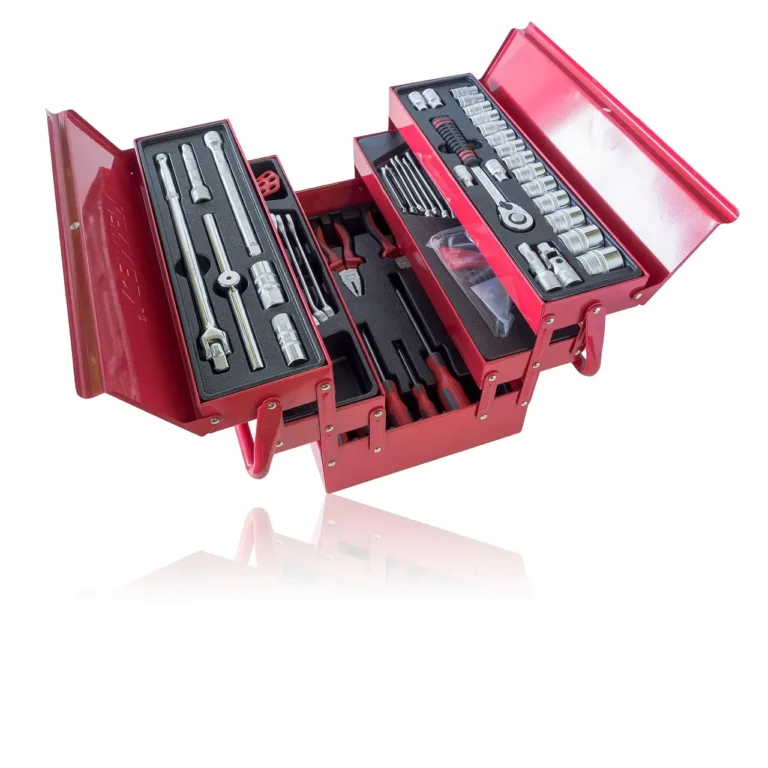
A tool roll is a compact organizer for roughly 10 to 20 small hand tools and bits. It fits best when you need fast grab-and-go access, not full drawer storage. Without one, sockets, drivers, and pliers get mixed together, time gets wasted, and small tools disappear. This guide explains what belongs in a tool roll, when it beats drawers, bags, or a rolling box, and when it does not.
Why a tool roll works for small garage tools
A tool roll gives you portable, fold-up storage for the small tools you reach for first. In a home garage, that matters because space is tight, dust settles fast, and moisture can creep in from damp floors, open doors, or tracked-in weather.
The point is quick access. You can open the roll, see each pocket, and spot a missing socket or driver at a glance. That visual inventory helps with loose hand tools, because a mixed pile hides gaps until you need one size and it is gone.
What a tool roll is not
A tool roll is not a full toolbox replacement. It is a first-response organizer for the tools that handle common garage tasks, especially automotive and motorcycle kits where compact carry matters.
Heavy ratchets, oversized pliers, oily tools, and large specialty items can make a roll bulky or awkward. If the pockets stretch, the closure strains, or the roll refuses to lie flat, the load is too large for the format.
📊 Car and Driver tested garage toolboxes in January 2026. Source: Best Garage Toolboxes for 2025, Tested.
What tools belong in a tool roll?
The best contents are small, frequently used hand tools that benefit from individual pockets or sleeves. Think sockets, wrenches, screwdrivers, bits, pliers, and cutters. Keep the mix tight enough that you can see what is inside without dumping the whole kit.
Sockets, rails, and labeled sizes
A socket set fits well when it is organized by size and drive. For a home garage, that often means metric and SAE sizes, plus common drive sizes such as 1/4-inch, 3/8-inch, and 1/2-inch. Labeled pockets or slim rails keep each piece from rattling loose.
Loose sockets are one of the clearest reasons to use a roll. They are small, easy to misplace, and hard to sort in a pile. Put the most-used sizes in front or near the fold edge so the set stays readable.
Wrenches that stay easy to sort
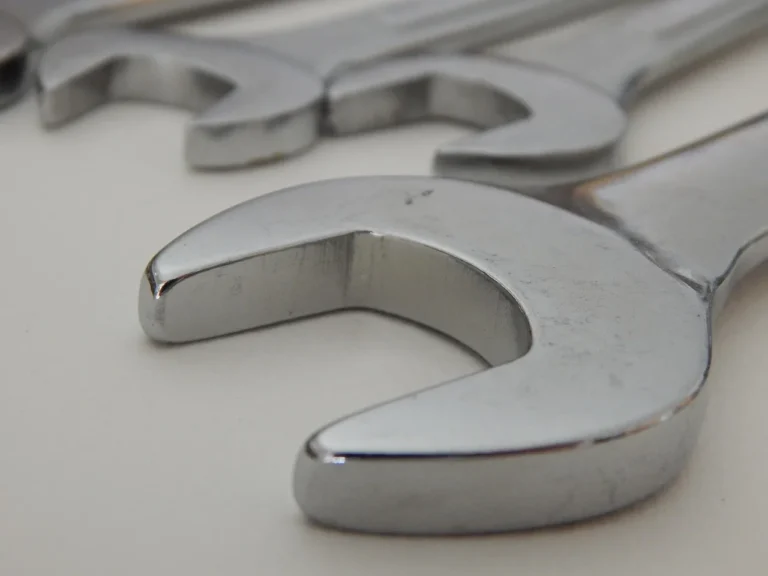
Combination and open-end wrenches work well in a roll when each size has its own sleeve or marked slot. That layout keeps the set easy to scan, which matters in automotive home garages where a missing 10 mm or 13 mm can slow a simple job.
If the wrench pockets are too tight, the handles bind and the roll becomes slow to open. If they are too loose, the wrenches slide and tangle. Size-marked organization solves both problems.
Screwdrivers, bits, pliers, and cutters
Flathead and Phillips screwdrivers fit best in sleeves or wider slots, while bit holders belong in narrow pockets that keep the tips visible. Bits are small enough to vanish in a drawer if they are not compartmentalized.
Pliers and cutters can fit too, but bulk matters. Needle-nose, slip-joint, and side cutters often need larger pockets than drivers do. A roll works best when the handles close without forcing the fabric into a thick lump.
Tool roll packing matrix
Use the roll as a curated set, not a catchall. Pack the items you reach for often, and move anything bulky, greasy, or rarely used to another storage type. That keeps the roll light enough to carry and fast enough to read.
| Tool type | Ideal pocket size | Frequency of use | Garage task | What to leave out |
|---|---|---|---|---|
| 1/4-inch socket set | Small sleeves or narrow rail slots | High | Interior trim, clamps, battery terminals | Deep impact sockets, loose adapters |
| 3/8-inch socket set | Medium labeled pockets | High | Brake work, brackets, fastener removal | Oversized sockets, bulky ratchets |
| 1/2-inch sockets | Wider pockets or a separate sleeve row | Medium | Lug nuts, suspension hardware | Long breaker bars |
| Combination wrenches | Long vertical sleeves | High | General automotive tightening and loosening | Heavy specialty spanners |
| Flathead and Phillips screwdrivers | Medium sleeves with tip protection | High | Panels, covers, household hardware | Long pry tools |
| Bit holder and common bits | Small pockets or elastic loops | High | Cabinet screws, small fasteners | Loose mixed bit piles |
| Needle-nose pliers | Medium pocket | Medium | Clip removal, wire work | Extra-large locking pliers |
| Slip-joint pliers | Medium to large pocket | Medium | Gripping and holding hardware | Oversized grip tools |
| Side cutters | Medium pocket | Medium | Wire trimming, zip ties | Bulkier cutters with wide jaws |
What to leave out of a roll
Leave out oil-soaked tools, large torque wrenches, big hammers, long pry bars, and anything that will punch through fabric or make the roll too thick to close. If a tool is awkward to pocket, it belongs in a drawer, bag, or box.
Say your roll holds metric sockets through 19 mm, a 3/8-inch ratchet, two screwdrivers, and three wrenches. Add one extra set of loose pliers and the bundle starts to balloon. At that point the roll loses its quick-open shape, which is the whole reason to use it.
Are tool rolls better than a toolbox?
Tool rolls are better than a toolbox when portability and quick visual access matter more than capacity. They fit a compact set of hand tools you want ready at the bench, in a car, or on a shelf. A toolbox wins when the collection is larger and more varied.
Car and Driver tested garage toolboxes in January 2026, and their picks show the split clearly: a Husky tool cart for rolling storage, a DeWalt rolling tool box for portability, and a Husky workbench toolbox with a 46-inch width, 1,500 lb weight capacity, and 14,000 cubic inches of storage. Those numbers describe a different job than a tool roll.
When a roll beats a box
A roll beats a box when you want a small kit you can open in seconds and fold back down just as quickly. It fits weekend repairs, a garage bench, or a car-care kit where you only need the most-used tools within arm’s reach.
When a rolling tool box wins
A rolling tool box is better when capacity matters. It holds more sockets, more wrenches, heavier ratchets, and extra accessories without forcing you to trim the set. If the job set grows past a compact first-response kit, the larger box is the cleaner answer.
Suppose you keep one roll for brake checks, hose clamps, and battery work. That is a sensible fit. Suppose the same kit has multiple ratchets, deep impact sockets, a torque wrench, and a full duplicate set of pliers. The rolling box becomes the more practical choice.
Tool roll versus tool bag versus drawer
A tool roll is best for sorted, compact storage. A tool bag is faster for grab-and-go carry. A drawer is better for complete sets that stay in one place. Each one solves a different part of home-garage storage, and the right pick depends on how often you move the tools.
| Item | Tool roll | Tool bag | Drawer | Rolling box |
|---|---|---|---|---|
| Sockets | Yes, for compact labeled sets | Sometimes, if kept in rails or pouches | Yes, for full sets | Yes, for larger collections |
| Wrenches | Yes, if size-marked and flat | Sometimes | Yes | Yes |
| Screwdrivers | Yes | Yes | Yes | Yes |
| Pliers and cutters | Yes, if pocket size is generous | Yes | Yes | Yes |
| Heavy ratchets and breaker bars | No | Sometimes | Yes | Yes |
| Mixed loose hardware | No | Sometimes | Yes, in bins | Yes, in trays |
Soft-sided bags for service-style carry
A tool bag is the better pick if you want quicker access than drawers and do not need every item slotted in place. It works well for service-style carry, a few larger hand tools, and a changing loadout. A roll is tidier; a bag is less strict.
That difference matters in a garage. A bag lets you toss in one extra tool and keep moving. A roll asks you to keep the contents deliberate.
How do you store a tool roll in a garage?
Store a tool roll dry, off the floor, and easy to reach. The best spot is usually near the bench, on a wall hook, or inside a drawer where dust and moisture are lower. The goal is to keep the fabric clean and the contents ready.
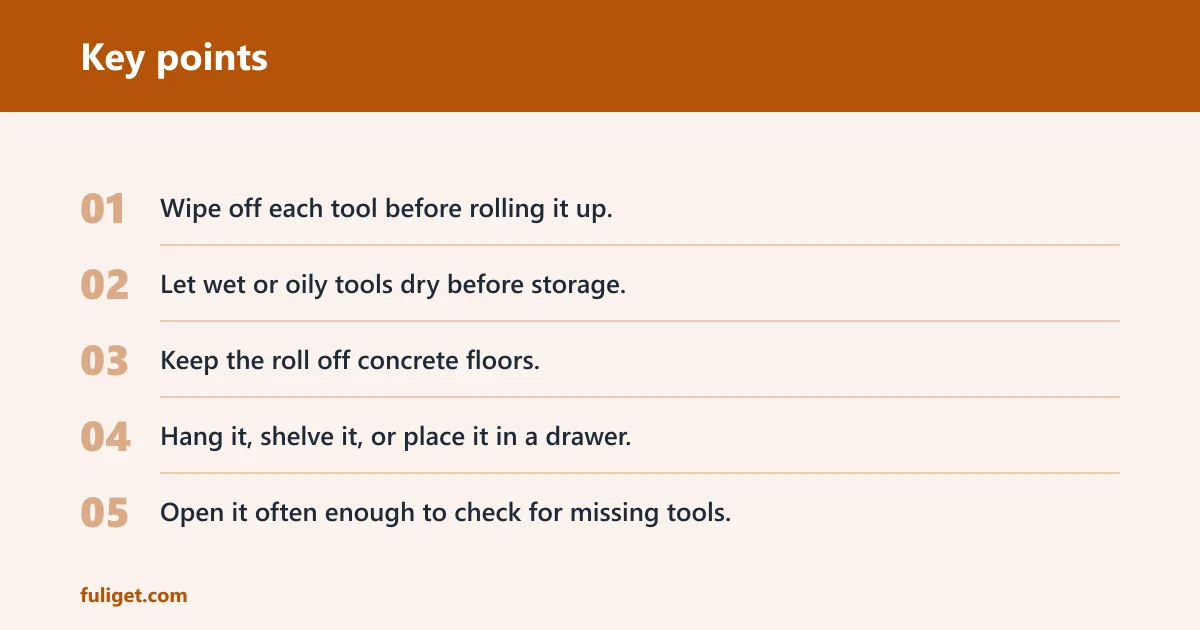
- Wipe off each tool before rolling it up.
- Let wet or oily tools dry before storage.
- Keep the roll off concrete floors.
- Hang it, shelve it, or place it in a drawer.
- Open it often enough to check for missing tools.
Dust and grime matter because they work into the fabric and pockets. Moisture matters because it can leave rust on sockets and wrenches. A wipe-clean material is a better choice for garage use than a soft fabric that soaks up oil.
Walmart lists an Ironton easy-tear microfiber towel roll for garage use, a 75-count roll that measures 12 inches by 12 inches. That is a cleaning product, not a tool roll, but it points to the same garage need: materials that can be handled, wiped, and stored without fuss.
Make it easy to grab at the bench or wall
Keep the roll in the same place every time. A hook near the bench, a top drawer, or a shelf at chest height works better than burying it in a deep cabinet. Fast access is the point.
Walmart also lists a Milwaukee PACKOUT large tool box with IP65 rating and a 100 lb capacity. That kind of sealed, heavy-duty storage makes sense for larger gear, while a tool roll should stay light enough to pull open with one hand.
What belongs in a first-response garage kit
A first-response garage kit should cover the most common small repairs and car-care tasks: fastener removal, clamp work, trim removal, battery access, and light assembly. Keep the highest-use sockets, two or three wrenches, a pair of screwdrivers, and one or two pliers within easy reach.
That kit should stay small. If a tool is used once in a while, it can live in a drawer or rolling box. If it is used often, the tool roll earns its spot.
Items that should stay within reach
Keep metric and SAE sockets you use often, a compact ratchet, flathead and Phillips drivers, bit holders, and the pliers you reach for most. Those tools cover a surprising amount of home-garage work without taking up much space.
Common first-timer mistake: packing the roll with everything that fits, then leaving no room for the sizes used most often. A better setup is a narrow, readable kit with clear empty pockets reserved for missing pieces.
Items better kept in drawers or a box
Move large pliers, specialty sockets, torque wrenches, long pry bars, and duplicate ratchets out of the roll. A drawer or rolling box handles those items better because it does not depend on thin pockets or tight folding lines.
That split also helps with theft and grime. A roll is easy to carry, which is useful, but it should hold only the tools you want to move often and inspect quickly.
Frequently asked questions
What is a tool roll used for in a home garage?
A tool roll is used to keep a small, chosen set of hand tools organized, visible, and easy to carry in a home garage. It works best for sockets, wrenches, drivers, pliers, and cutters that you want close at hand for common repair and maintenance work.
What tools should go in a tool roll?
Put in compact, frequently used tools: metric and SAE sockets, a few drive sizes, combination wrenches, screwdrivers, bit holders, and modest-sized pliers or cutters. Leave out heavy, oily, or bulky tools that make the roll hard to close or hard to read.
Are tool rolls better than a toolbox for small tools?
For small tools that you need fast, a tool roll is often better because it gives you a quick visual inventory and easy grab-and-go carry. A toolbox is better when the set is larger, heavier, or meant to stay put in one place.
Can a tool roll keep sockets and wrenches organized?
Yes. A tool roll can keep sockets and wrenches organized if each size has a labeled pocket, sleeve, or rail. That setup makes missing pieces obvious and prevents sockets from rattling around loose with other hand tools.
How do I choose between a tool roll and a tool bag?
Choose a tool roll if you want compact, sorted storage with clear pockets and a fast visual check. Choose a tool bag if you need quicker stuffing and retrieval for service-style carry and do not mind a looser layout.
What garage tools are essential
For basic home repairs, the core garage tools are a compact socket set, a few wrenches, screwdrivers, pliers, and cutters. Keep the most-used sizes close at hand. Larger or less-used items belong in a drawer or rolling box, not in the roll.