Mechanic Tool Kit vs Socket Set: What Is the Difference?

A socket set is the fastening core, while a mechanic tool kit gives you the wider starter package: ratchets, wrenches, pliers, screwdrivers, and often bits. If you want one purchase for general repairs, start with the kit. Choosing only one when the job needs both can leave you stuck, strip fasteners, or force extra trips for missing tools. This guide breaks down what each includes, where each fits, and which buyer should start with which.
| Decision factor | Mechanic tool kit | socket set | Winner |
|---|---|---|---|
| Scope | Broader all-in-one tool collection for routine maintenance and light-to-moderate repairs. | Focused socket-only set for fastening work. | Mechanic tool kit |
| Fastener access | Includes sockets plus ratchets, wrenches, pliers, and drivers, so it covers more job stages. | Best for bolt and nut removal where a socket and ratchet fit cleanly. | Mechanic tool kit |
| Specialized fastening | May include more tools, but contents vary and may still lack deep or uncommon socket sizes. | Usually stronger on socket depth, drive-size choices, and size coverage. | socket set |
| Starter efficiency | Better when you need one case with several tool types. | Better when you already own hand tools and need more socket depth. | Mechanic tool kit |
| Repair depth | Handles more of the workflow around a repair. | Excels at the fastening core, but stops sooner when the job needs extra hand tools. | Mechanic tool kit |
Typical contents and when each tool fits
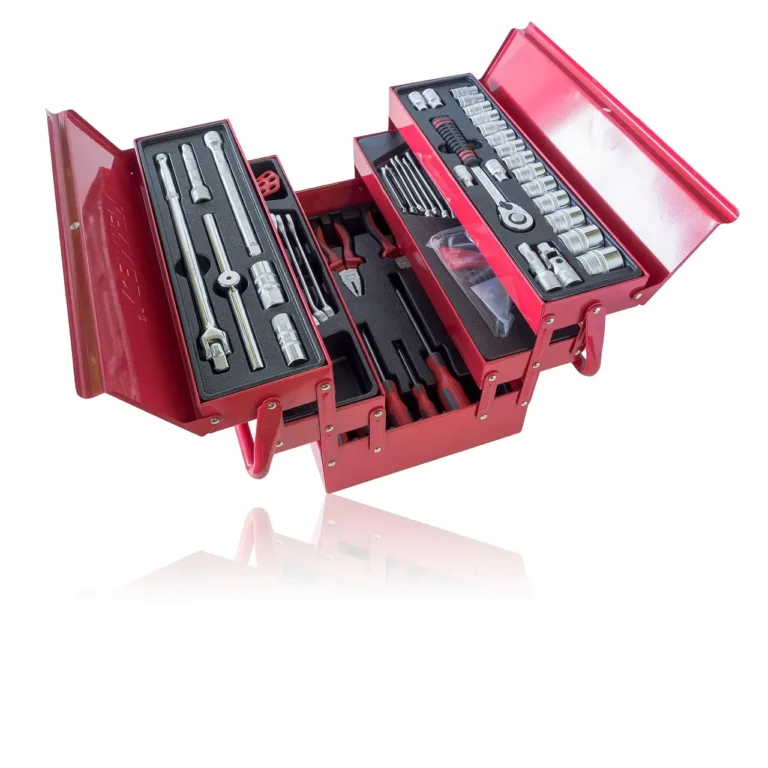
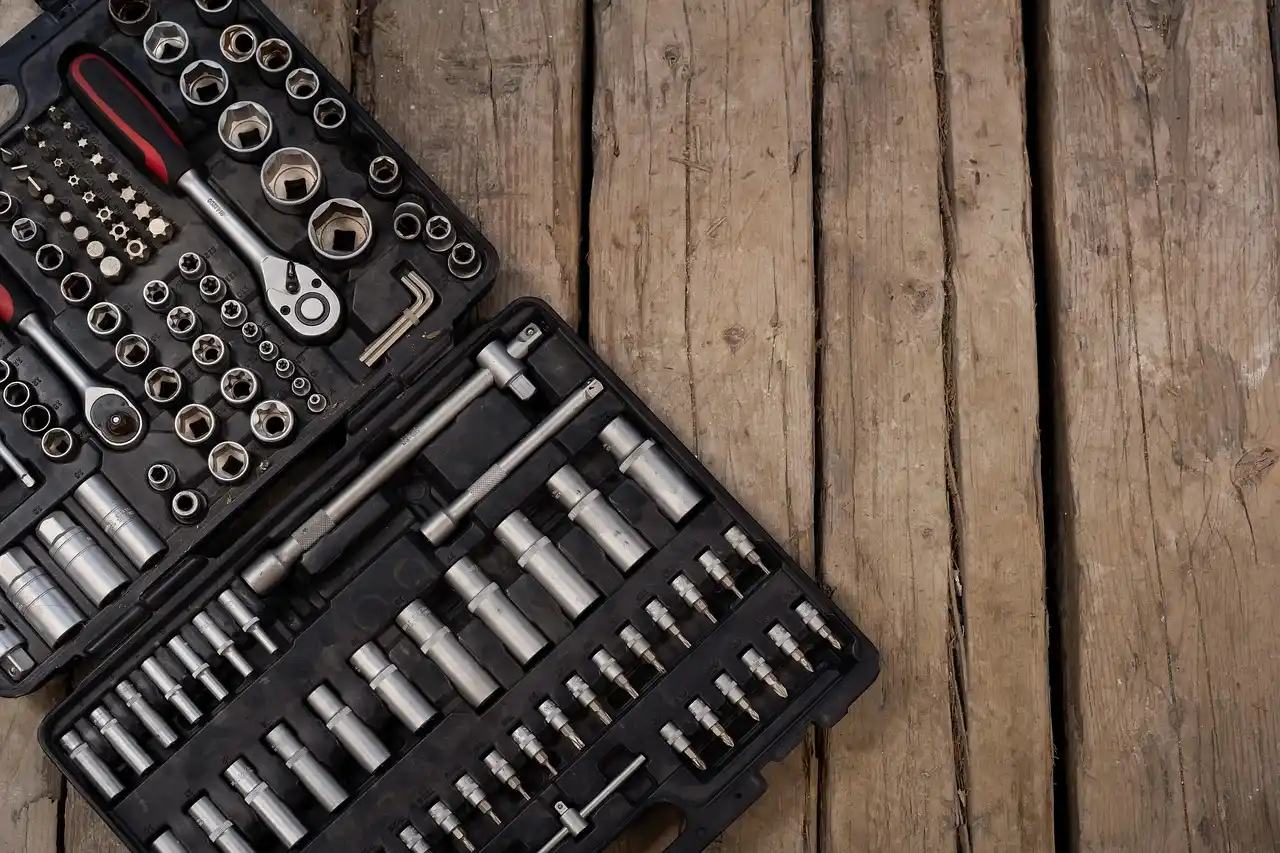
A socket set is the fastening core; a mechanic tool kit is the broader collection around it. The kit may include sockets, ratchets, wrenches, pliers, drivers, and a storage case, while a socket set stays focused on sockets and the ratchet that drives them. That difference matters when a repair needs more than one tool type.
Typical contents and job depth
Mechanic tool kits fit routine maintenance and light-to-moderate repairs. Socket sets are narrower, and they are the better first buy only when most of your work is nuts and bolts, especially if you already own screwdrivers, pliers, and wrenches.
The overlap is real. Many kits include sockets and ratchets, and many socket sets include a small case or a few extras. The practical line is simple: if the job needs only fastening, a socket set is enough; if it needs multiple hand-tool stages, the kit is the better fit.
Why the difference matters for starter buyers
Starter buyers often chase piece count. That can hide duplicates and filler pieces while missing the sizes that matter most. A 200-piece kit is not automatically more useful than a smaller socket set with the right deep sockets, the right drive size, and better fastener grip.
Say your first project is a battery swap on a modern sedan with 10 mm fasteners and a few plastic clips. A mechanic tool kit is more forgiving because it can include the socket, the ratchet, and the hand tools for trim or cable work in one case.
What comes in a mechanic tool kit?
A mechanic tool kit usually includes sockets, ratchets, combination wrenches, pliers, screwdrivers, and often hex keys or bit drivers. Many kits also include a storage case for organization and transport. The key point is that the kit is built for routine maintenance and light-to-moderate repair work, not one single task.
Common hand tools included
The exact contents vary, so do not assume every kit includes deep sockets, both SAE and metric, or a full wrench spread. Some kits lean toward general maintenance, while others add more specialized sockets and wrenches for engine and chassis work.
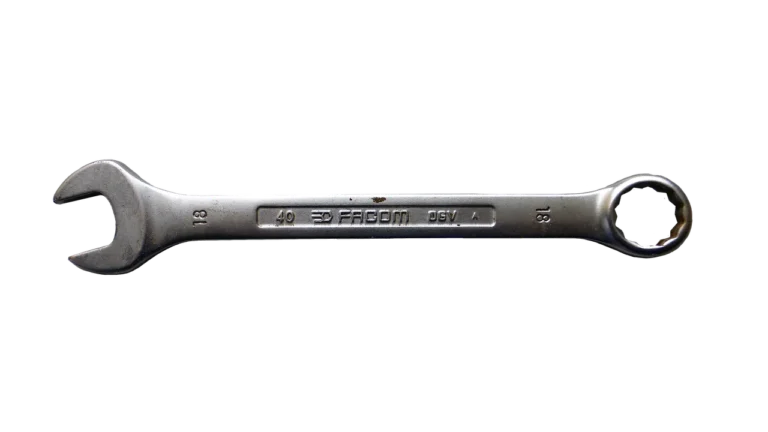
Combination wrenches matter because many engine and chassis fasteners are easier to reach with an open-end side first, then snugged with the box end. A socket-only set often leaves that gap open, which is why the wider kit can finish more jobs without another purchase.
How the storage case affects portability
A storage case keeps pieces sorted and easier to carry, but case quality varies a lot. Soft cases are lighter and easier to move; drawer-style boxes or molded trays usually keep small parts in place better. The case does not make the tools work better, but it does make them easier to keep complete.
-
Sort the core tools.
Lay out the sockets, ratchets, wrenches, and drivers in the case before the first job. Missing sizes are easier to spot when each section is empty and visible. -
Check the fastener standards.
Look for metric and SAE coverage before you rely on the kit. Mixed-vehicle garages often need both, and a gap in either standard can stop the repair. -
Separate add-ons from basics.
Put deep sockets, specialty bits, and duplicates in one marked section. That keeps the main tray clean and makes the kit faster to use on repeat jobs.
What comes in a socket set?
A socket set is built around sockets and the ratchet that turns them. Good sets commonly include shallow and deep sockets in 1/4 inch, 3/8 inch, and/or 1/2 inch drives, plus metric and SAE sizes. That focus makes the set efficient for bolts, nuts, and other fasteners, especially in tight spaces.
Shallow vs. deep sockets
Shallow sockets fit more compactly. Deep sockets reach recessed fasteners, long threaded studs, and bolts buried in brackets or wheels, and they are often the first add-on after a base set. If you work near valve covers, suspension hardware, or accessory brackets, deep sockets stop a lot of frustration.
A common first-timer mistake is buying a small socket set that fits only exposed fasteners. Then a recessed 10 mm bolt or a threaded battery clamp sits too deep for the short socket to grab. The repair stalls until the right depth is added.
Ratchets and drive sizes
The ratchet is the socket set’s companion tool. Tooth count matters because it affects how little space the handle needs to swing, which is important in tight engine bays. Higher tooth counts generally give you a shorter working arc, so they are easier to use where room is limited.
Drive size also matters. 1/4 inch is for light fasteners and delicate work, 3/8 inch is often a middle-ground option, and 1/2 inch is for larger, higher-torque work. That is why many buyers start with 3/8 inch and add the smaller or larger drive later.
SAE and metric coverage
SAE means inch-based fasteners and is often used on older American vehicles. Metric means millimeter fasteners and is standard for many modern and imported vehicles. Many good mechanic kits include both, but a socket-only set may lean one way or the other, so the vehicle fleet matters.
If you service one older pickup and one newer compact car, both standards may be necessary. If you only work on a modern Japanese or Korean vehicle, metric often matters more first. If the vehicle is an older American model, SAE sockets can be the first priority.
How do drive size, SAE, and metric affect your buy?
Drive size, socket standard, and socket style decide whether a set works smoothly or fights you on the car. The right choice depends on torque demand, fastener size, and access. A 3/8 inch drive with both metric and SAE sockets is the most flexible starting point for many DIY buyers.
Which drive sizes should you buy first?
1/4 inch works best for small fasteners, trim hardware, and lighter jobs where over-torquing is a risk. 3/8 inch is the strongest all-around choice for most routine car repairs. 1/2 inch belongs on lug nuts, larger suspension hardware, and other high-torque work.
-
Start with 3/8 inch.
Choose this drive first if you want one set for most home repairs. It balances reach, torque, and common fastener sizes better than the other two. -
Add 1/4 inch later.
Pick up 1/4 inch when you begin working on small interior pieces, battery terminals, or compact engine hardware. It gives better control where larger drives feel clumsy. -
Buy 1/2 inch for heavy work.
Add 1/2 inch when lug nuts or larger chassis fasteners become routine. It is the right choice when torque, not finesse, is the problem.
Why 6-point sockets are worth considering
6-point sockets grip the flats of the fastener better than 12-point options and are a better default for durability-focused buying. They are especially useful on stubborn or rounded fasteners because they spread force more cleanly. If you expect seized hardware, a 6-point set is the safer default.
A top-quality set often pairs 6-point sockets with better ratchets, such as 72-tooth ratchets, which help in cramped areas. That combination does not make the tools magical. It simply reduces the space needed to turn a fastener and lowers the odds of slippage.
Socket set decision matrix
This matrix shows the minimum useful set for common car jobs and the next add-on that improves the job. It is built around repair depth, not piece count. That keeps the buying decision tied to actual work.
| Repair type | Minimum tool set needed | What to add next |
|---|---|---|
| Oil changes | socket set with 3/8 inch drive, metric sockets, and a ratchet | Deep sockets for recessed drain plugs or filter housings |
| Tire rotations | socket set with 1/2 inch drive and 6-point sockets | Breaker bar or torque wrench for lug nut service |
| Battery work | socket set with 3/8 inch drive and 1/4 inch drive for small fasteners | Combination wrenches for terminal hardware and hold-downs |
| Brake jobs | mechanic tool kit with 3/8 inch drive, deep sockets, and combination wrenches | 6-point sockets and better ratchet access for stubborn slide-pin or bracket bolts |
| Suspension work | mechanic tool kit with 1/2 inch drive, metric and SAE coverage, and combination wrenches | More deep sockets and higher-torque hand tools |
| Engine accessory work | mechanic tool kit with 1/4 inch and 3/8 inch drives, deep sockets, and wrenches | Compact ratchet with higher tooth count for tight spaces |
Choose Mechanic tool kit if… / Choose socket set if…
Choose Mechanic tool kit if you want one purchase for routine maintenance, light-to-moderate repairs, and mixed hand-tool jobs. Choose socket set if you already own wrenches and drivers, or if your work is mostly fastening and you want better socket depth, drive coverage, or 6-point options.
Choose Mechanic tool kit if…
Pick the kit first if you are starting from zero, want a storage case, or expect to work on brake jobs, battery service, or general engine work. It is also the better buy when you need both metric and SAE in one place and do not want to assemble the collection piece by piece.
Choose socket set if…
Pick the socket set first if your main need is bolt removal, lug nut service, or faster access to deep and specialty sockets. It also makes sense when you already have the rest of the hand tools and only need a stronger fastening core.
Suppose you already own a decent wrench set and need to start on a valve cover bolt in a tight engine bay. A socket set with a 72-tooth ratchet and a deep 10 mm socket is the direct fix. If you do not already have the wrenches, the wider kit is the cleaner buy.
Frequently asked questions
What is the difference between a mechanic tool kit and a socket set?
A mechanic tool kit is broader and usually includes sockets, ratchets, wrenches, pliers, and drivers in one case. A socket set is narrower and centers on sockets plus the ratchet. If the repair needs more than fastening, the kit covers more of the workflow.
Do I need a socket set if I already have a mechanic tool kit?
Often, yes. A mechanic tool kit may include basic sockets, but a dedicated socket set can add deeper sockets, better drive-size coverage, and more 6-point options. That matters when the job has recessed bolts, higher torque, or stubborn fasteners.
Is a mechanic tool set better than an automotive tool kit?
For this comparison, the mechanic tool set is usually the deeper buy, while automotive tool kits are broader general-purpose collections aimed at routine maintenance and common repairs. If your work goes beyond light fixes, the mechanic set is the stronger choice.
What tools are included in a mechanic tool set?
Typical contents include sockets, ratchets, combination wrenches, pliers, screwdrivers, and sometimes hex keys or bit drivers. Some also include a storage case. Contents vary, so check for deep sockets and both metric and SAE before buying.
What socket sizes do I need for basic car repairs?
For basic car repairs, a 3/8 inch drive set with common metric sizes is the best starting point, and 1/4 inch helps with smaller fasteners. If the vehicle is older American, SAE coverage matters more. Deep sockets are worth adding early for recessed bolts.
Which drive sizes should I buy first: 1/4, 3/8, or 1/2 inch?
Buy 3/8 inch first for the broadest everyday use. Add 1/4 inch for small or delicate hardware, and 1/2 inch for lug nuts and other higher-torque work. That order covers the most common repairs without buying a heavy set too early.
What is the difference between SAE and metric sockets?
SAE sockets fit inch-based fasteners and are common on older American vehicles. Metric sockets fit millimeter fasteners and are standard on most modern and imported vehicles. Many mechanic kits include both, which is the safest choice if you service different vehicles.
When is a pure socket set better than an all-in-one mechanic kit?
A pure socket set is better when you already own the other hand tools or when the job is mostly fastener work. It is also the better buy if you need deeper sockets, a better ratchet, or more precise drive-size coverage without paying for extra pieces you will not use.