Oil-free vs Oil Air Compressor: Which Is Better for DIYers?

For most DIY homeowners, an oil-free air compressor is the better first pick if you use it occasionally, want less maintenance, and care about lower upfront cost. Pick an oil air compressor if you plan to run nailers, ratchets, or impact wrenches often, or if quieter operation and longer service life matter more than weight and upkeep. Buy the wrong type, and you can end up with a compressor that is too loud, too short-lived, or more maintenance-heavy than your garage setup can justify. This guide compares both types by use pattern, noise, upkeep, and total ownership burden.
| Factor | Oil-free | oil air compressor | Winner |
|---|---|---|---|
| Noise and vibration | Usually louder, with more high-pitched motor and pump noise | Usually quieter and smoother during steady running | oil air compressor |
| Maintenance burden | No crankcase oil changes; still needs tank draining and clean intake air | Needs oil checks and changes, plus tank draining and filter care | Oil-free |
| Lifespan under frequent use | Fine for light, occasional duty; heat and wear rise faster under repeated cycling | Better for frequent use and longer run times when maintained | oil air compressor |
| Portability and storage | Often lighter, smaller, and easier to carry or tuck away | Often heavier, with more mass to move and store | Oil-free |
| Best fit for DIY use | Inflation, brad nailing, light trim work, quick blow-off jobs | Frequent fastening, heavier air-tool use, attached garages with noise concerns handled well | Depends on task |
Oil-free vs oil air compressor: the real trade-off
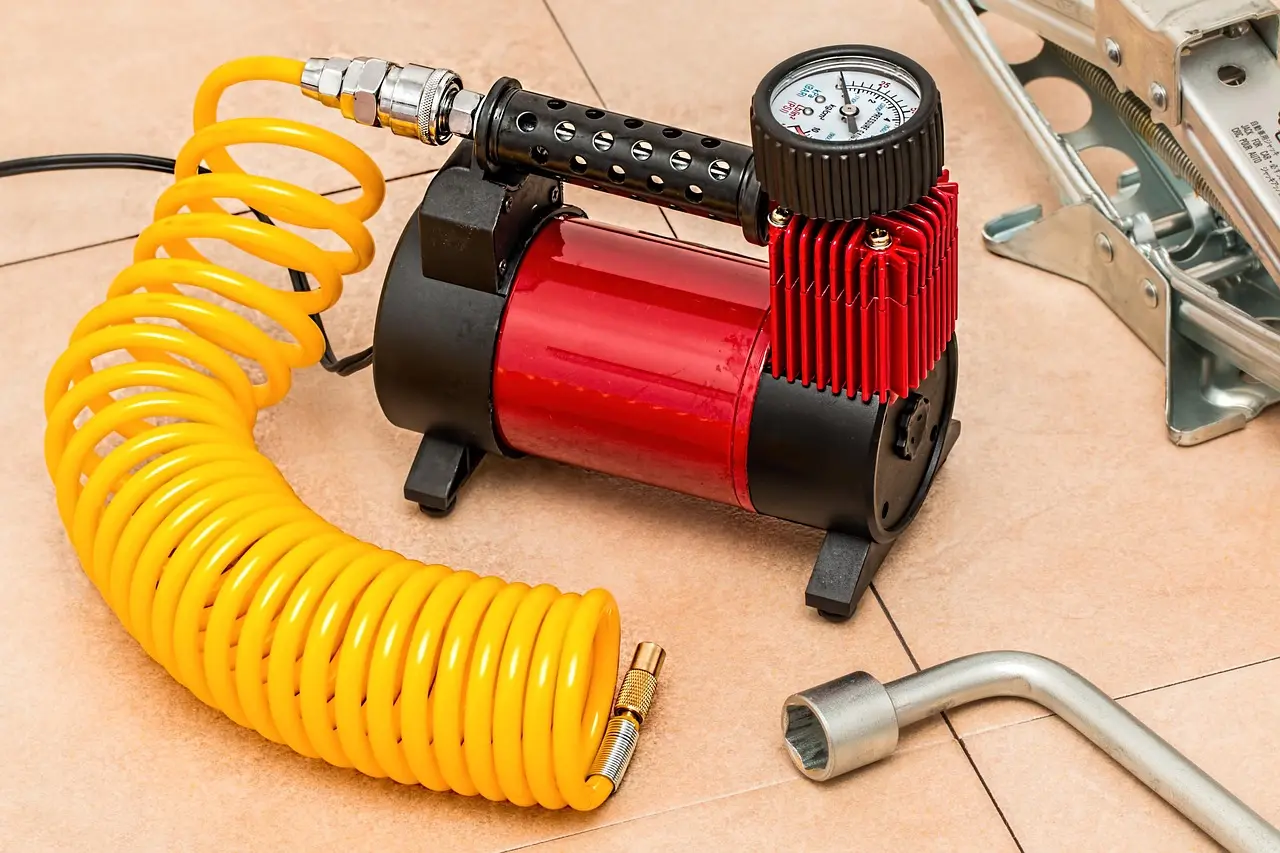
The split is straightforward: oil-free models trade lower upkeep and lighter weight for more noise and usually shorter service life under hard use, while oil air compressor models trade added oil care and weight for quieter running and better durability. For DIYers, the right choice depends less on the lubrication method and more on how often you will run tools, how much noise your space can tolerate, and whether you need portability.
Noise and vibration
Oil-free compressors are typically louder, and that matters in attached garages, small workshops, and neighborhoods where sound carries. Oil air compressor units usually run with less vibration and a lower-pitched sound, which makes long sessions easier to live with.
A common first-timer mistake is buying a loud 6-gallon oil-free unit for a garage with a bedroom above it. The compressor may be fine for inflation and nailers, but the sound can make short tasks feel bigger than they are.
Maintenance and upkeep
Oil-free units skip crankcase oil changes, which can make upkeep simpler. That does not make them maintenance-free, though; you still need to drain condensate, keep the intake air clean, and watch filters and hose fittings.
Oil air compressor models add oil checks and oil changes, which means a few more steps and a little more time. The extra care is not difficult, but it is part of the ownership burden.
Lifespan and duty cycle
For occasional work, both types can be fine. For frequent use, repeated fastening, or tasks that keep the pump running for longer stretches, the oil air compressor usually has the edge because lubrication helps manage heat and wear.
Duty cycle matters here. If you use a compressor for sanding, spraying, or long bursts of air-tool work, short cycling and overheating become bigger concerns than whether the tank says 6 gallons or 20 gallons.
Portability and storage
Oil-free compressors are often the easier garage choice when you need to move the unit often or store it in a tight space. Less mass, smaller footprints, and simpler carry handles all help.
Oil air compressor units are commonly heavier, especially once the tank gets larger. Wheels help, but if you need to move the compressor up stairs or stash it on a shelf, the lighter option is easier to live with.
Which compressor suits your DIY tasks?
The better compressor changes with the job. For tires, bikes, and small inflatables, Oil-free is usually the easier fit. For repeated tool use, longer sessions, or a garage where noise matters more than portability, an oil air compressor can make more sense.
Nail guns and brad nailers
For trim work, baseboards, and other intermittent fastening, Oil-free is usually the practical starting point. Most brad nailers and finish nailers do not need a huge tank, but they do need enough airflow to recover quickly between shots.
If you are running a small finish nailer on and off for short bursts, the lower maintenance and lighter weight of Oil-free often outweigh the noise penalty. If the work stretches across long sessions, the quieter oil air compressor becomes more attractive.
Impact wrenches and air ratchets
These tools raise the bar on airflow and duty cycle. An oil air compressor is usually the safer choice if you want to loosen stubborn fasteners, work for longer periods, or avoid long recovery times between bursts.
Oil-free units can run these tools for light, occasional use, but the compressor must be sized correctly. If the CFM is too low, the tool feels weak even when the tank pressure looks full.
Inflators and blow guns
For tire inflation, sports gear, filters, and general cleanup, Oil-free is usually enough. These are short, intermittent tasks, so the lower maintenance and easier storage usually matter more than the extra durability of an oil air compressor.
Here, tank size helps with convenience, but it is not the whole story. A small compressor with adequate PSI can handle inflating tires well if the airflow demand is modest.
Painting and detailing
For painting, detailing, or any job where contamination matters, oil management becomes important. An oil air compressor is often the better match when the setup includes proper filtration and moisture control, because the goal is clean, stable air delivery rather than simple convenience.
Oil carryover is not automatic, but it is a risk you should respect. If any oil mist reaches the line, it can create problems for paint, cleaned surfaces, and some inflating tasks where cleanliness matters.
Compressor decision matrix
This matrix turns the choice into specific DIY scenarios. Use the row that matches your most common job pattern, not the one-off task you do once a year.
| DIY scenario | Oil-free score | oil air compressor score | Best fit | Short recommendation |
|---|---|---|---|---|
| Intermittent inflation | 5/5 for portability, 5/5 for upkeep, 3/5 for noise | 3/5 for portability, 3/5 for upkeep, 4/5 for noise | Oil-free | Pick Oil-free for tires, bikes, and small inflatables unless noise is your top concern. |
| Brad nailing | 4/5 for portability, 4/5 for cost, 3/5 for noise | 4/5 for durability, 4/5 for noise, 2/5 for portability | Oil-free | Choose Oil-free for trim and trim repairs if the work is occasional. |
| Finish nailing | 4/5 for light-duty use, 3/5 for long sessions, 3/5 for noise | 5/5 for longer run time, 4/5 for noise, 3/5 for upkeep | oil air compressor | Choose oil air compressor if finish work comes up often or across larger rooms. |
| Impact wrench use | 3/5 for burst use, 2/5 for sustained use, 4/5 for portability | 5/5 for repeated use, 4/5 for runtime, 3/5 for portability | oil air compressor | Choose oil air compressor for wheel work, suspension jobs, and repeated fastener removal. |
| Garage noise sensitivity | 2/5 for noise, 5/5 for upkeep, 5/5 for portability | 5/5 for noise, 3/5 for upkeep, 3/5 for portability | oil air compressor | If the garage is attached or neighbors are close, the quieter choice matters most. |
| Weekend project frequency | 5/5 for occasional use, 4/5 for storage, 3/5 for longevity | 4/5 for frequent use, 3/5 for storage, 5/5 for longevity | Depends | Oil-free fits occasional weekends; oil air compressor fits near-regular project work. |
What CFM, PSI, and tank size should you check?
Check CFM first, then PSI, then tank size. CFM, often listed at 90 PSI on many compressor labels, helps show whether the machine can keep up with the tool. PSI tells you whether it can reach the pressure range the tool and regulator need. Tank size affects runtime, cycling, and how often the pump starts.
CFM at 90 PSI
CFM is the sizing number that matters most for nailers, impact wrenches, and air ratchets. Match the compressor’s rated CFM at 90 PSI to the tool’s demand, and leave some margin so the pump is not running flat out all the time.
A compressor with enough tank pressure but too little airflow will still feel weak. The tool may fire a few times, then slow down as the pump struggles to refill the tank.
PSI and regulator range
Most DIY compressors sit in a range that works for common home tools, but the regulator setting matters more than the tank’s peak number. Your tool may need a lower working pressure than the compressor can produce, so the regulator is what keeps the air supply within range.
Do not size by PSI alone. A compressor can have plenty of pressure and still fail to deliver enough airflow for repeated fastening.
Tank size and runtime
Small DIY tanks, often around 1 to 6 gallons, are easier to carry and store. Larger tanks, often 8 to 20+ gallons, give you more runtime and less short cycling, which helps with frequent tool use and long air bursts.
Tank size affects noise too. A bigger tank may reduce how often the pump starts, but the pump itself still makes the same basic sound when it runs.
-
Match the tool demand.
Check the CFM rating at 90 PSI for the air tool you plan to use most often. If the compressor cannot meet that number with a little margin, the tool will feel underpowered. -
Set the working pressure.
Look at the tool’s recommended PSI range and set the regulator there, not at the tank’s maximum pressure. That keeps the tool working as intended and avoids wasted air. -
Choose tank size by runtime.
A common rule of thumb is to pick about 1 to 6 gallons for portability and short jobs, or about 8 to 20+ gallons if longer runtime and less cycling matter more. Larger tanks help repeated fastening and longer sessions, but they take more space.
Does oil-free really mean less maintenance?
Yes, but only in a narrow sense. Oil-free compressors skip crankcase oil changes, so they are simpler to own, but they still need routine care such as draining moisture, checking the intake path, and keeping the unit clean.
Oil changes and crankcase care
Oil air compressor models need crankcase oil checks and changes according to the maker’s service schedule. The interval varies by design, but the basic rule is simple: if the unit uses oil, it must be checked and changed on time.
That extra step is not difficult, yet it is real ownership work. It also means more chances to overlook maintenance if the compressor sits unused for long stretches.
Draining condensate
Both types collect water in the tank. Drain condensate after use, especially if the garage is humid or the compressor ran for a long time, because moisture inside the tank can lead to corrosion and water in the air line.
This step matters even for an oil-free model. The lubrication type does not change physics inside the tank.
Filters, intake air, and belts
Keep the intake air clean so the pump does not ingest dust. On belt-driven units, check belts as part of routine care; on direct-drive units, focus more on air filters, fittings, and drainage.
Clean intake air helps both types maintain airflow and temperature control. Dirty filters make a compressor work harder than it should.
Choose Oil-free if… / Choose oil air compressor if…
Choose Oil-free if your compressor use is occasional, you want the easiest upkeep, and storage space is tight. Choose oil air compressor if you expect more frequent tool use, care about lower noise, or want a better fit for longer duty cycles and heavier garage work.
Choose Oil-free if:
- You mainly inflate tires, run a blow gun, or do small trim jobs.
- You want the lightest, easiest unit to carry and store.
- You do not want to add oil changes to your maintenance list.
- You can live with more noise for shorter, occasional use.
Choose oil air compressor if:
- You plan to use nailers, ratchets, or impact wrenches more often.
- Your garage is attached or noise sensitive.
- You want better durability for repeated cycling and longer sessions.
- You are willing to handle oil checks, oil changes, and a heavier machine.
Frequently asked questions
What is the difference between an oil-free and an oil air compressor?
An oil-free compressor uses a pump design that does not require crankcase oil, so upkeep is simpler and the unit is often lighter. An oil air compressor uses oil for lubrication, which usually lowers noise and supports longer service life under harder use, but it adds oil-related maintenance.
Which air compressor is better for a DIY garage, oil-free or oil-lubricated?
For most first-time DIY garages, Oil-free is the easier starting point because it is lighter, simpler, and usually cheaper. If you expect frequent air-tool use, or your garage is attached and noise matters, an oil air compressor may be the better long-term fit.
Are oil-free compressors louder than oil-lubricated compressors?
Usually yes. Oil-free compressors tend to have more vibration and a sharper sound, while oil-lubricated models are typically quieter. In a detached shop the difference may be a nuisance; in an attached garage it can be the deciding factor.
Which type of compressor lasts longer for home DIY use?
An oil air compressor usually lasts longer under frequent or demanding use because the lubricated pump handles heat and wear better. For light, occasional DIY work, an oil-free unit can still last a long time if it is sized correctly and drained after use.
Do oil-free compressors need less maintenance?
Yes. They skip crankcase oil changes, which reduces routine care. Even so, you still need to drain the tank, keep the intake clean, and check hoses and fittings, because moisture and dirt can shorten the life of any compressor.
What CFM or PSI should DIYers look for in a compressor?
Use the tool’s demand as the guide. Look for enough CFM at 90 PSI to cover the air tool you plan to run most often, then make sure the compressor can reach the PSI range the tool requires. Tank size helps runtime, but CFM is the key sizing number.