
Car Emergency Kit Essentials for Every Driver

Your car emergency kit should cover about 10 basic failure points: phone power, first aid, warning gear, light, tire tools, air, jumper power, water, basic repair supplies, and weather protection. Leave out one or two of those basics, and a flat tire, dead battery, night breakdown, or winter delay can turn into wasted time, towing fees, or a real safety problem. This guide ranks the universal essentials first, then shows which add-ons matter most for winter, long trips, older cars, EVs, and family driving.
The best way to build a kit is by failure mode. A jump starter helps when the battery is flat and no second vehicle is nearby. A reflective triangle matters when the car is stopped on a dark shoulder. A blanket and water matter when help is slow. Some gear overlaps, but no single item covers every roadside problem.
Core items for roadside emergencies
A practical car emergency kit starts with items that handle the failures drivers see most often: stopped-vehicle visibility, dead battery support, tire inflation, puncture triage, first aid, light, basic tools, hydration, and weather protection. Then add climate-specific gear and driver-specific extras based on winter exposure, trip length, vehicle age, and how far help may be.
The minimum universal items every driver should carry
- Phone power: a charged power bank and correct cable, because a dead phone can turn a routine breakdown into a communication problem.
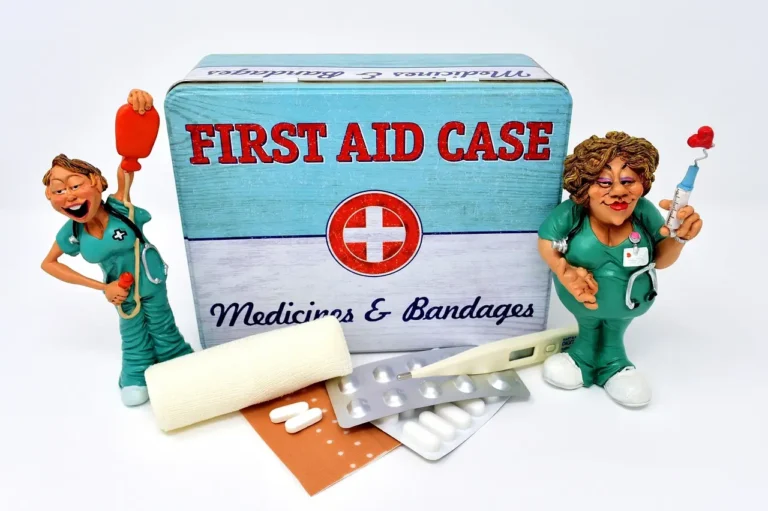
- First aid kit: bandages, gauze, antiseptic wipes, OTC pain relief, and gloves in a compact case with dividers so supplies stay usable and easy to find. Replace medications that expire, and remember that heat in parked vehicles can damage some items.
- Reflective warning device: a triangle or road flares to mark a stopped vehicle, especially at night or on a shoulder. Flares can create fire risk around fuel spills or dry roadside vegetation.
- Flashlight: LED is the sensible default for night visibility. Keep spare batteries or a recharge plan with it.
- Jumper power: jumper cables, a portable jump starter, or both.
- Air compressor or tire inflator: for low-pressure recovery and puncture triage.
- Tire repair kit: plug support or sealant for temporary roadside use, if the tire damage is suitable.
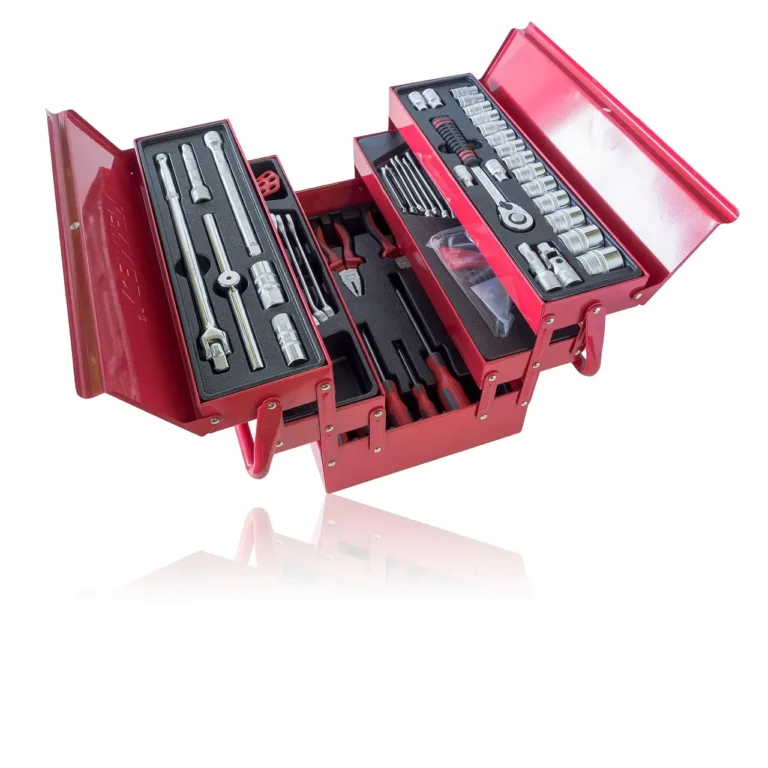
- Basic repair tools: screwdriver, pliers, wrench-style tools, work gloves, and a few fuses.
- Water and shelf-stable snacks: enough for delays, traffic closures, or a long wait for a tow.
- Weather protection: at minimum, gloves and a blanket; more for winter driving.
What each essential solves, and what it will not solve
Dead battery gear will not fix a bad starter, alternator failure, or battery terminals so corroded they cannot make contact. A tire inflator will not repair a sidewall cut. Sealant will not help every puncture and may be a poor fit for large damage or some tire pressure sensor setups. A tow rope may help with low-speed traction recovery, but it is not a fix for brake failure, transmission failure, or unsafe roadside extraction.
A flashlight helps you see. It does not make your vehicle more visible to approaching traffic. That is why warning devices stay on the must-have list as separate items. A basic toolkit can tighten a loose battery clamp or remove a cover, but it is not a substitute for a jack, spare tire, or proper workshop repair.
Universal items versus climate-specific add-ons
Universal means almost every driver benefits, from a short city commute to a weekend highway trip. Climate-specific means the value rises fast in certain conditions: blanket, hand warmers, scraper, traction aid, and heavier gloves matter much more when temperatures drop or snow shuts down a route.
For example, a commute of about 7 miles each way in a dense city with curbside parking and short waits for assistance still calls for core basics. A warning triangle, flashlight, first aid kit, inflator, and phone power still make sense, but deep-cold gear and a tow rope can move lower. Suppose the same driver starts making late-night interstate trips in January. Warmth moves up the list right away.
Which essentials matter most in each roadside scenario?
The most important item depends on the failure. For a dead battery, jumper power comes first. For a slow leak, air and puncture tools matter more. For a stopped vehicle at night, warning gear and light take priority. For injuries or a long wait, first aid, water, snacks, and warmth matter most.
Dead battery: cables, jump starters, and battery limits
Jumper cables stay common for a clear reason: they are cheap, simple, and widely available, but they require a second vehicle. Coated clamps matter because better insulation and grip reduce slipping and accidental contact during hookup.
A portable jump starter fixes the “no second car available” problem. Some units also combine jump-start and air-compressor functions, which cuts duplicate gear if cargo space is tight. Neither option fixes a battery that will not hold charge after restart, and neither repairs charging-system faults.
Flat tire or slow leak: inflators, repair kits, and sealant limits
An air compressor or tire inflator is the first triage tool. If the leak is slow, adding air can get the vehicle to a safer place or a tire shop.
A tire repair kit is for temporary puncture handling, usually tread-area damage that can take a plug. It will not fix shredded rubber, a bent wheel, or sidewall damage. If your vehicle lacks a full-size spare, the inflator shifts from convenient to near-essential.
Picture a tire that drops from normal pressure to visibly low after you hit road debris on a wet shoulder at dusk. An inflator may buy enough time to move off the shoulder. If the puncture is in the sidewall, though, adding air or sealant is a delay tactic at best, not a repair plan.
Breakdown at night or roadside stop: flashlights and warning devices
An LED flashlight is the right default for visibility, and POPSUGAR recommends an LED flashlight as a car emergency kit item. Keep it where you can reach it without unloading the trunk. Pair it with work gloves so you can handle dirty tools, hot caps, or wet cables with less risk.
Reflective triangles or flares tell other drivers where your car is. They matter even when your hazard lights work, because angle, weather, and traffic speed can reduce how soon others notice a stopped vehicle. Hazard lights are helpful, but they are not an equivalent substitute for a reflective triangle or other warning device. Warning devices do not replace safe positioning. If the shoulder is narrow or traffic is fast, staying in the vehicle may be safer than roadside repairs.
Minor injury or long wait: first aid, water, snacks, and warmth
A good vehicle first aid kit needs bandages, gauze, antiseptic, OTC pain relief, and gloves. Organization matters. A compact case with dividers keeps loose supplies from turning into a jumble after one hard stop. Heat and time can shorten the useful life of medications stored in a parked vehicle, so check expiration dates and replace anything compromised.
Water and shelf-stable snacks are delay support, not wilderness survival gear. A common rule of thumb is to carry enough water and snacks for everyone in the car for several hours, then replace it before heat or expiration becomes the weak point. Add a blanket or extra cold-weather layer if winter driving is part of the plan.
Do you need jumper cables or a jump starter?
Most drivers should carry at least one battery-starting option, and many should carry both. Jumper cables are the lower-cost starting point but depend on another vehicle. A portable jump starter works on its own and is the better fit for solo driving, sparse parking areas, late-night trips, and drivers who may not want to flag down help.
When jumper cables are enough
Cables are enough when cost matters most, nearby vehicles are usually available, and you know the battery issue is occasional rather than chronic. They also store well and need no charging schedule. That makes them a solid baseline item in a budget kit.
When a portable jump starter is the better choice
A jump starter is the better choice when the likely problem is isolation, not only battery drain. Apartment garage, airport parking, remote trailhead, and winter morning starts all fit that pattern. Some units include an air compressor, which can replace a separate inflator in a small-car kit.
It still needs upkeep. If the jump pack sits discharged for months, it may fail exactly when you need it. Check charge status on a schedule and after each use.
Why some drivers should carry both
Highway drivers, winter drivers, older-car owners, and families who take long trips benefit from redundancy. Cables work if the jump pack is empty. The jump pack works if no helper vehicle is available. That pairing covers more real-world failure paths than either tool alone.
What neither option will fix
Neither will fix a seized engine, failed alternator, broken starter motor, or fuel problem. If the car dies again right after a successful jump, treat that as a battery-condition or charging warning, not a solved problem.
What tools belong in a roadside emergency kit?
The right roadside tools handle temporary triage without pretending to be a full repair bench. For most drivers, that means tire inflation gear, a basic puncture kit, a compact hand-tool set, gloves, spare fuses, and possibly a tow rope. Each tool needs clear limits so it does not create false confidence.
Tire inflator and pressure recovery tools
A portable inflator is the most useful tire tool after the vehicle’s factory jack and spare setup. It helps with seasonal pressure drops, slow leaks, and post-plug top-off. Check the power cord and hose for cracking, and make sure the connector fits your valve stems cleanly.
Tire repair kit for temporary puncture triage
A plug kit or sealant-based kit can buy time after a small tread puncture. That is a temporary roadside repair, not a green light for indefinite driving. If the damage is near the shoulder of the tire, in the sidewall, or caused by a large tear, the kit does not solve the problem.
Multi-tool or basic toolkit for minor adjustments
Useful pieces include screwdrivers, pliers, and wrench-style tools. Add work gloves and a few common fuses if your vehicle uses owner-replaceable fuses.
A toolkit may help with a loose battery terminal, access panel, or hose clamp. It will not safely handle major repairs on a roadside shoulder.
Tow rope and the situations where it may help
A tow rope is a traction or short recovery aid, not a universal rescue item. It may help if a vehicle is lightly stuck and both drivers know the proper attachment points and the ground conditions are controlled. It does not belong at the center of a normal commuter kit because many modern cars do not make improvised towing safe or simple.
A common first-timer mistake is buying a tow rope before buying a triangle, inflator, or jump solution. That flips the real odds. Most drivers will use air, light, and warning gear long before they need a recovery pull.
What should you add for winter and severe weather?
For winter and severe weather, add warmth, battery backup, and better visibility support before you add specialized gear. A blanket, heavier gloves, hat, traction aid, scraper, and extra phone power matter more than cosmetic extras. In colder climates or on long rural drives, carry more water, more food, and more insulation than a city commuter needs.
Warmth items for cold exposure and long waits
A blanket is the minimum winter layer. Add insulated gloves, a hat, dry socks, and an extra midlayer if your route includes open highway or low-service areas. If children ride regularly, size the warmth layer around the coldest likely delay, not the average commute.
Outside recommends an MSR Windburner propane stove and insulated pot for winter kit use, but that kind of stove belongs only in a more advanced winter vehicle setup with space, ventilation awareness, and a real need for extended cold-delay support. It is far beyond the minimum universal kit.
Visibility and battery concerns in winter conditions
Cold weather hits two core systems at once: visibility and battery performance. Keep the flashlight batteries fresh, the jump starter charged, and the warning triangle accessible without digging through luggage. Snow, slush, and early darkness all make roadside visibility harder.
Extra supplies for snow, ice, and remote travel
For repeated snow travel, add an ice scraper, small shovel, traction aid, and an extra pair of gloves.
If the vehicle carries a more complete modular setup, organization matters. The lesson is practical: leave room for climate layers and keep winter items separate from year-round basics.
How should you size the kit for your driving habits?
Size the kit by exposure, not by marketing claims. A city commuter can carry a compact universal set. A highway driver needs more redundancy and more delay support. A winter driver needs stronger warmth and battery planning. Cargo space matters, but leaving out failure-specific tools usually costs more than storing a slightly larger bag.
City commuters
Priority goes to warning gear, LED flashlight, phone power, first aid kit, water, gloves, jumper solution, and an inflator.
Highway and long-distance drivers
Move redundancy higher. Carry both cables and a jump starter if budget allows, plus a stronger first aid kit, more water, more snacks, and a repair-oriented tool set. Night breakdowns and longer tow times are more likely to matter here than in dense urban driving.
Winter drivers and colder climates
Warmth items, scraper, traction help, and extra battery support become higher priorities than a tow rope or cosmetic storage upgrades. If the route includes rural stretches, pack as if help could take longer than expected even on a familiar road.
Small cars, family vehicles, and cargo-space tradeoffs
Small cars do better with multi-use items: a jump starter with inflator, a compact first aid case, a fold-flat triangle, and a small tool roll. Family vehicles need more water, more snacks, and larger first aid depth.
Emergency kit matrix
Essentials matrix table
| Item | Solves which roadside failure | Universal or climate-specific | Low-budget substitute | Replace/check frequency |
|---|---|---|---|---|
| Phone power bank and cable | Dead phone during breakdown or delay | Universal | 12V charger kept in vehicle | Charge monthly; replace if battery swells or no longer holds charge |
| Reflective triangle or flares | Stopped vehicle visibility | Universal | At minimum, functioning hazard lights | Check case and condition every 6 months; replace spent flares after use |
| LED flashlight | Night breakdown visibility | Universal | Phone flashlight | Check monthly; replace batteries yearly or recharge monthly |
| Jumper cables with coated clamps | Dead battery when another vehicle is available | Universal | Portable jump starter | Inspect clamps and insulation every 6 months |
| Portable jump starter | Dead battery without second vehicle | Universal | Jumper cables | Check charge monthly and after each use |
| Air compressor or tire inflator | Low tire pressure, slow leak triage | Universal | Access to station air, if nearby | Test every 6 months |
| Tire repair kit or sealant | Temporary puncture repair in tread area | Universal | Inflator only, then tow or tire service | Check sealant expiration every 6 months; replace after use or expiry |
| First aid kit | Minor cuts, scrapes, swelling, headache, cleanup | Universal | Small zip pouch with bandages and wipes | Check every 6 months; replace used or expired items |
| Basic toolkit and gloves | Minor adjustments, fuse swaps, battery clamp tightening | Universal | Multi-tool and work gloves | Check every 6 months for rust, missing pieces, torn gloves |
| Water and shelf-stable snacks | Long wait, traffic closure, low energy | Universal | Rotate daily-use bottled water and snack bars | Check monthly in heat; rotate food and water at least every 6 months |
| Blanket and cold-weather layers | Cold exposure during winter delay | Climate-specific | Spare hoodie and gloves | Swap seasonally; inspect at start of winter and spring |
| Tow rope | Light traction recovery in limited cases | Climate-specific or driver-specific | Call for recovery | Inspect every 6 months for cuts, abrasion, damaged hooks |
Car emergency kit essentials table
| Driver type | Must-have | Should-have | Optional |
|---|---|---|---|
| City commuter | Phone power, reflective triangle, LED flashlight, first aid kit, water, jumper cables or jump starter, inflator | Tire repair kit, basic toolkit, snacks, gloves, blanket | Tow rope, shovel, expanded winter layers |
| Highway driver | Phone power, triangle, LED flashlight, first aid kit, water, snacks, jump starter, cables, inflator | Tire repair kit, toolkit, gloves, blanket, extra batteries | Tow rope, shovel, larger storage bin |
| Winter driver | Phone power, triangle, LED flashlight, first aid kit, water, snacks, jump starter, cables, inflator, blanket, warm gloves, scraper | Tire repair kit, toolkit, extra layer, traction aid, small shovel | Tow rope, advanced stove-based winter setup |
What to buy first on a limited budget
- Buy warning and light first. Start with a reflective triangle and an LED flashlight. Those two items address the highest-consequence failure point: being stopped where other drivers cannot see you well enough.
- Add battery help next. If money is tight, start with jumper cables. Move to a portable jump starter when solo driving, winter use, or remote parking makes a second vehicle uncertain.
- Cover tire pressure. Add an inflator before specialty recovery gear. Low pressure and slow leaks are common enough that this tool earns its space quickly.
- Build first aid and delay support. Add a compact first aid kit, water, and shelf-stable snacks. These items matter when the mechanical problem is minor but the wait is not.
- Finish with repair and weather layers. Add a tire repair kit, basic toolkit, gloves, and blanket. Put winter-only items last if the car rarely sees severe cold.
How often should you check and replace kit items?
Check the kit on a schedule instead of waiting for a breakdown to reveal dead batteries, stale food, or an empty jump pack. A simple routine works well: monthly for charged electronics, every 6 months for first aid and tire supplies, and at each seasonal change for clothing, blankets, and weather-specific gear.
Batteries, electronics, and rechargeable tools
Flashlights, power banks, and jump starters need regular attention. Rechargeable jump packs and power banks should be checked monthly and topped up after any use. Battery-powered flashlights need either a monthly function check or a yearly battery refresh, depending on the battery type and how the light is stored.
Water, snacks, and first aid expiration checks
Water and snack rotation matters more in hot climates, where trunk temperatures can shorten useful storage life. Check monthly during hot seasons, and rotate at least every 6 months. Review first aid supplies at the same time: replace used bandages, expired medications, dried-out wipes, and damaged gloves.
Seasonal swap schedule for clothing and blankets
At the start of winter, add or inspect blanket, insulated gloves, hat, scraper, and traction items. At the start of warmer weather, remove bulky layers only if the climate truly supports it; many drivers should leave one light blanket in year-round. Keep the cold-weather items dry and easy to reach.
Frequently asked questions
What are the most important car emergency kit essentials?
The highest-priority essentials are warning gear, light, jumper power, tire inflation, first aid, water, and basic weather protection. Those items cover the most common and most disruptive failures: stopped-vehicle visibility, dead battery, low tire pressure, minor injury, and waiting for help in heat, cold, or darkness.
How do I make a car emergency kit for winter driving?
Start with the universal kit, then add warmth and battery margin. A blanket, insulated gloves, hat, scraper, extra snacks, extra phone power, and a charged jump starter matter more than decorative extras. If routes include snow or rural roads, add a traction aid and small shovel.
What first aid items should go in a car emergency kit?
Carry bandages, gauze, antiseptic wipes, adhesive tape, gloves, OTC pain relief, and a small cold-pack option if space allows. The case should stay organized, because loose supplies are harder to use quickly. Replace expired medications and any used or damaged items during routine checks, and remember that heat in a parked vehicle can shorten the useful life of some medications.
How much water and food should I keep in a vehicle emergency kit?
Keep enough water and shelf-stable food for everyone in the car for several hours, then scale up for long trips, children, pets, or winter travel. Rotate both on a schedule. In hot weather, inspect monthly because heat can shorten the useful life of food and stored water.
What should I add to a car emergency kit for cold weather?
Add a blanket, heavier gloves, hat, scraper, dry socks, extra phone power, and more snacks. Cold weather also raises the value of a jump starter, since battery weakness often shows up first in low temperatures. If snow travel is common, add traction help and a small shovel.
How often should I check and replace items in my car emergency kit?
Check charged electronics monthly, inspect first aid, inflator, repair supplies, and warning gear every 6 months, and swap seasonal clothing at each weather change. Rotate food and water at least every 6 months, and more often in hot climates. Replace anything used, expired, leaking, or damaged right away.